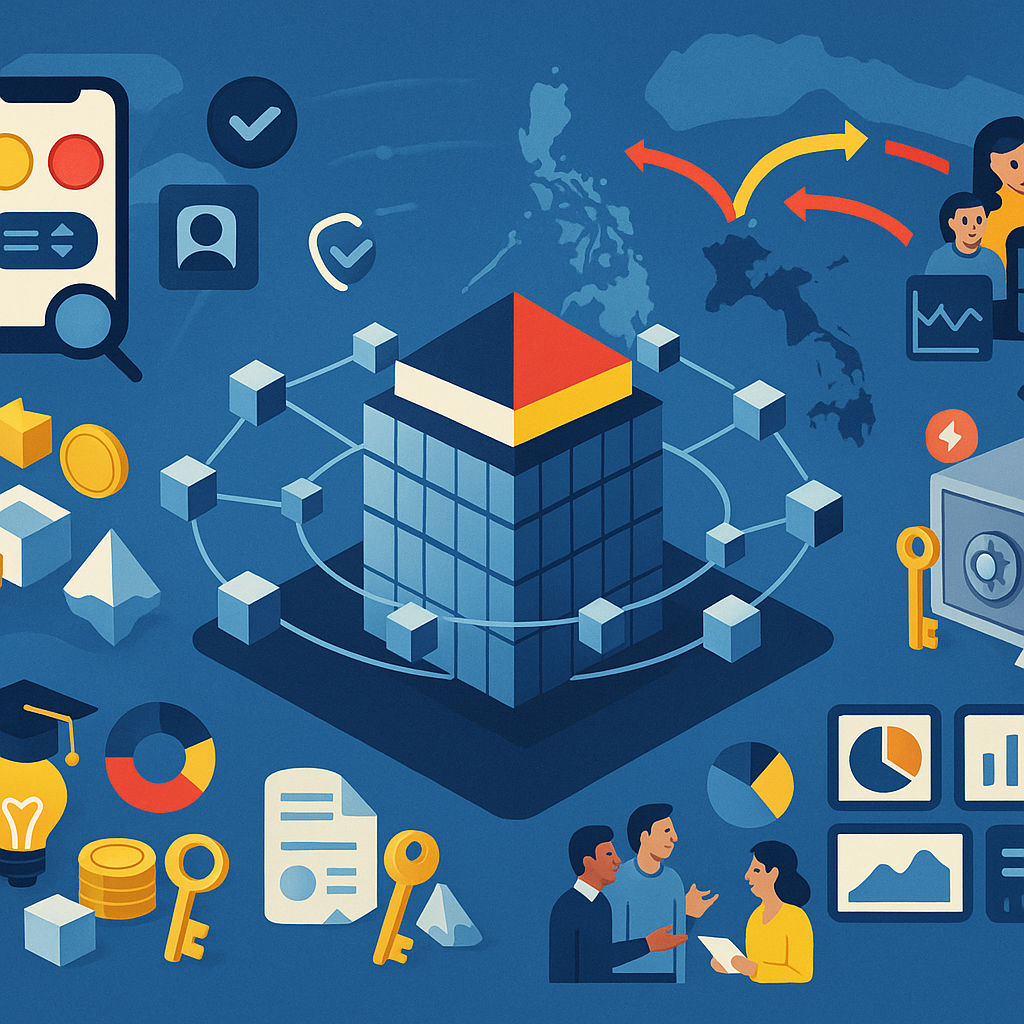
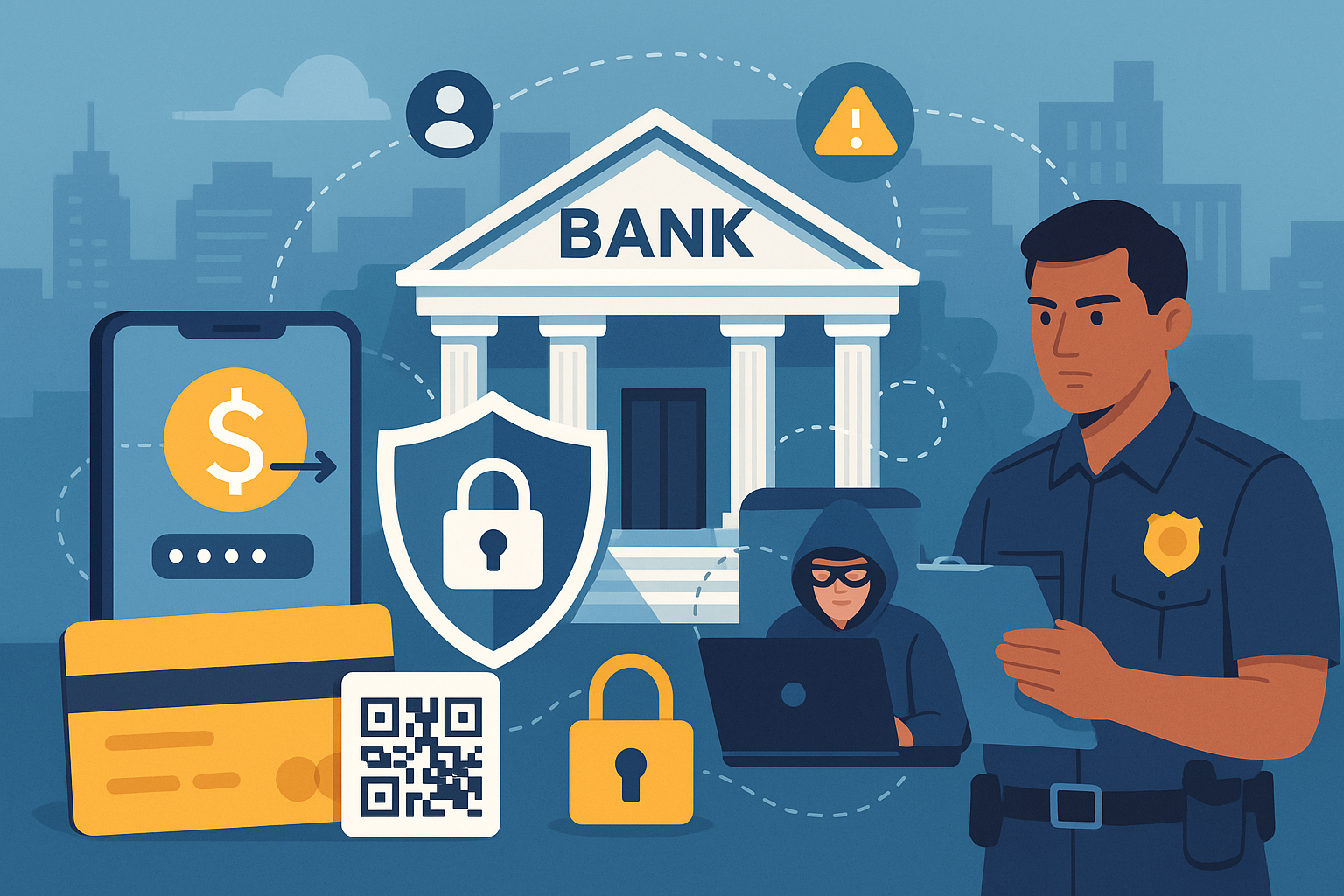
As Philippine banks expand digital services—ranging from mobile wallets to contactless payments and online loan applications—their technology environments grow more complex. This complexity creates more opportunities for cybercriminals to exploit vulnerabilities. To respond, many institutions are rethinking their security architecture and embracing modern approaches such as zero trust, advanced analytics, and cloud security.
Traditional perimeter-based security assumed that everything inside a network was trustworthy. In today’s world of remote work, cloud platforms, and open APIs, that assumption is no longer valid. Zero trust flips the model: every user, device, and application must be verified continuously, regardless of location. For Philippine banks, adopting zero trust means stricter identity and access management, micro-segmentation of networks, and continuous monitoring of behavior.
Identity is at the core of this approach. Multi-factor authentication (MFA) for both employees and customers has become a baseline requirement. MFA combines something users know (passwords), something they have (tokens or mobile devices), and sometimes something they are (biometrics). Banks in the Philippines increasingly incorporate biometrics such as fingerprints or facial recognition into their mobile apps, balancing security with user convenience.
Data protection is another technology focus. Strong encryption of data at rest in databases and in transit between systems helps mitigate the impact of breaches. Tokenization can reduce the exposure of sensitive card or account information in payment environments. Secure software development life cycles ensure that new digital banking features undergo rigorous testing for vulnerabilities before deployment. Regular penetration testing by internal teams or external specialists adds another layer of assurance.
The migration to cloud infrastructure introduces both challenges and opportunities. Cloud platforms, when configured properly, can offer robust security capabilities—such as automated patching, integrated identity management, and detailed logging. However, misconfigurations remain a common source of breaches worldwide. Philippine banks using cloud services must implement strict configuration standards, continuous monitoring, and shared responsibility models with providers to ensure that security controls operate as intended.
Artificial intelligence and machine learning are becoming valuable tools in detecting fraud and cyber attacks. By analyzing patterns across millions of transactions, these systems can flag unusual behavior in real time, such as sudden changes in device, location, or transaction type. Banks can then challenge the user with additional verification or temporarily block the transaction for investigation. While these tools are powerful, they must be carefully tuned to minimize false positives and avoid disrupting genuine customers.
Integration of security tools into a centralized monitoring environment is essential. Security Operations Centers in Philippine banks commonly rely on Security Information and Event Management (SIEM) systems to collect logs from firewalls, servers, applications, and endpoints. With this consolidated view, analysts can correlate events, identify indicators of compromise, and respond quickly. Automating routine responses—such as isolating infected endpoints or resetting compromised accounts—helps reduce the time attackers have to operate.
Despite the sophistication of these technologies, human oversight remains indispensable. Skilled cybersecurity professionals are in high demand, and Philippine banks compete locally and regionally for talent. To address this, many institutions invest in continuous training, certifications, and partnerships with universities and training providers. Some banks also leverage managed security service providers to supplement internal capabilities.
The future of secure banking in the Philippines will likely involve deeper integration between security and business innovation. As open banking, digital identity frameworks, and fintech partnerships evolve, security teams must be involved from the design stage, not just at the end. By embedding principles like zero trust, privacy by design, and secure coding into every new initiative, banks can innovate confidently while guarding against the ever-changing tactics of cyber adversaries.