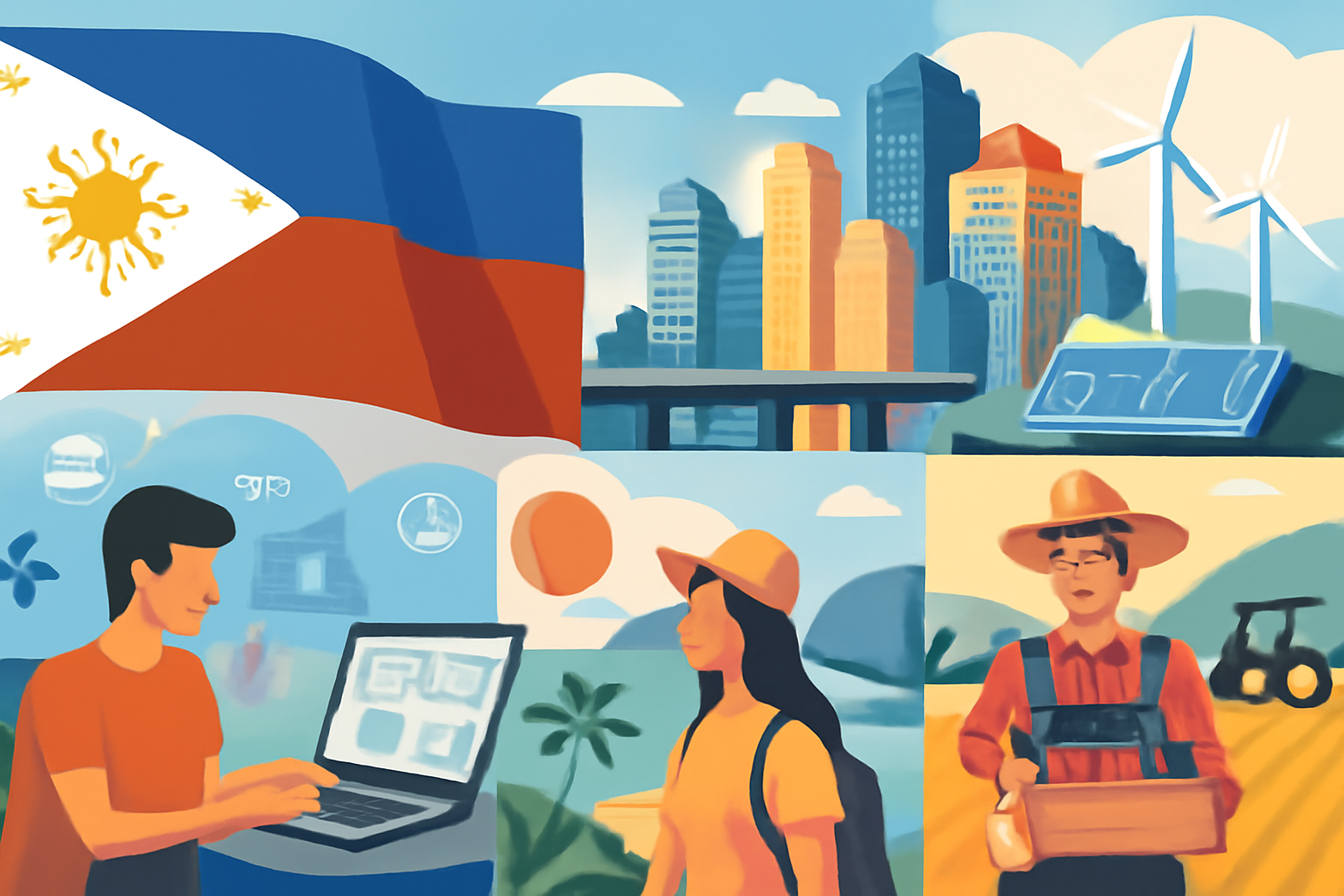

Over the last decade, the Philippines has witnessed a growing wave of startup activity, driven by a combination of technological advancements, a young, entrepreneurial workforce, and a supportive business environment. The nation’s startup ecosystem is expanding rapidly, with an increasing number of companies entering sectors like fintech, e-commerce, and edtech. This surge in innovation presents numerous opportunities for both entrepreneurs and investors.
Trends Shaping the Filipino Startup Scene
A significant trend is the focus on solving real-world problems through technology. Filipino startups are focusing on sectors that have traditionally faced challenges, such as finance, education, healthcare, and agriculture. By leveraging digital tools, these companies are helping improve lives and address issues such as accessibility, affordability, and efficiency.
In addition, the growing availability of digital infrastructure and connectivity is enabling startups to scale their operations, reach broader markets, and introduce new solutions at a faster pace. With the Philippines being one of the fastest-growing digital economies in Southeast Asia, the country’s startup ecosystem shows great promise.
Promising Sectors to Watch in the Philippines
- Fintech Solutions: Financial technology is one of the most promising sectors in the Philippines, especially with the country’s large unbanked population. Startups offering mobile wallets, payment platforms, and micro-lending solutions are rapidly expanding. GCash and PayMaya have gained considerable market share, and numerous startups continue to innovate in this space.
- E-commerce Growth: E-commerce continues to boom in the Philippines, with consumers increasingly turning to online shopping for convenience and variety. The demand for online platforms and digital retail solutions is creating a wealth of opportunities for local startups. Startups in this sector are developing new ways to make shopping more personalized and user-friendly, while improving last-mile delivery efficiency.
- Healthtech Advancements: The COVID-19 pandemic highlighted the need for accessible healthcare, and many startups have emerged to fill this gap. From telemedicine to fitness apps, healthtech solutions are rapidly gaining traction. Companies like MedGrocer and HealthNow are leading the charge, offering innovative health services to Filipinos.
- AgriTech Innovations: Agriculture remains a vital sector in the Philippines, and agritech startups are creating new solutions for farmers. Innovations in precision farming, farm management systems, and digital supply chains are helping increase agricultural productivity. AgriDigital and Cropital are helping transform the agricultural sector, making it more efficient and sustainable.
- EdTech Advancements: With educational challenges exacerbated by the pandemic, edtech startups are filling critical gaps in the learning system. Platforms that offer online tutoring, skill development, and e-learning solutions are growing in popularity. Startups like Khan Academy Philippines and Edukasyon.ph are transforming how education is delivered in the country.
Role of Investment and Support Systems
The Philippine government has launched several initiatives to support the growth of startups. These initiatives include tax incentives, access to funding, and the development of startup hubs. Private investors are also increasingly interested in the Philippine market, recognizing its potential for growth. Startups are benefiting from a combination of government-backed programs and private sector investments, which provide them with the necessary resources to scale.
The Philippines is positioning itself as a key destination for innovation and entrepreneurship in Southeast Asia. The combination of a youthful population, a supportive ecosystem, and increasing digital connectivity ensures that the startup landscape will continue to evolve in exciting ways.