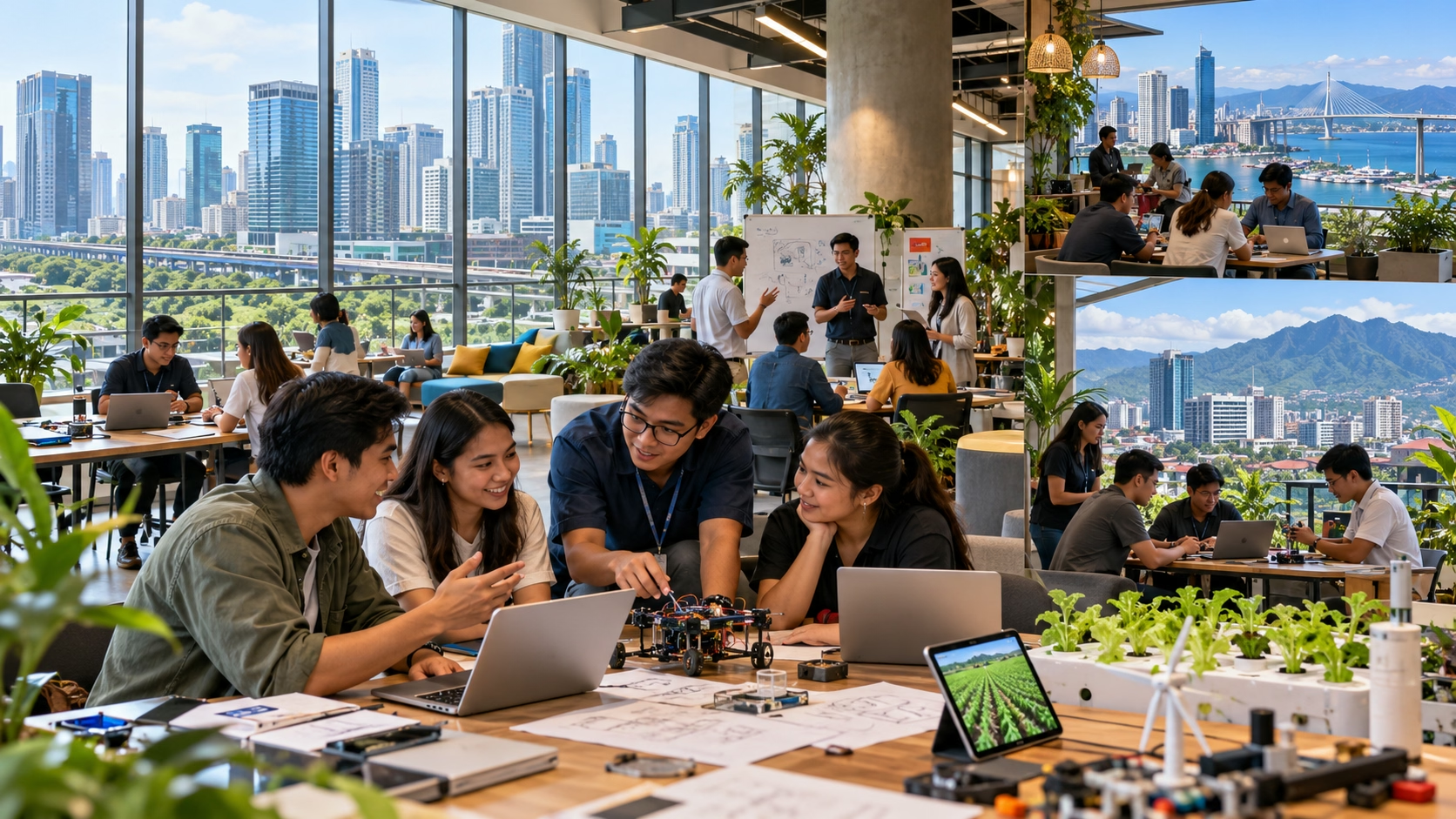
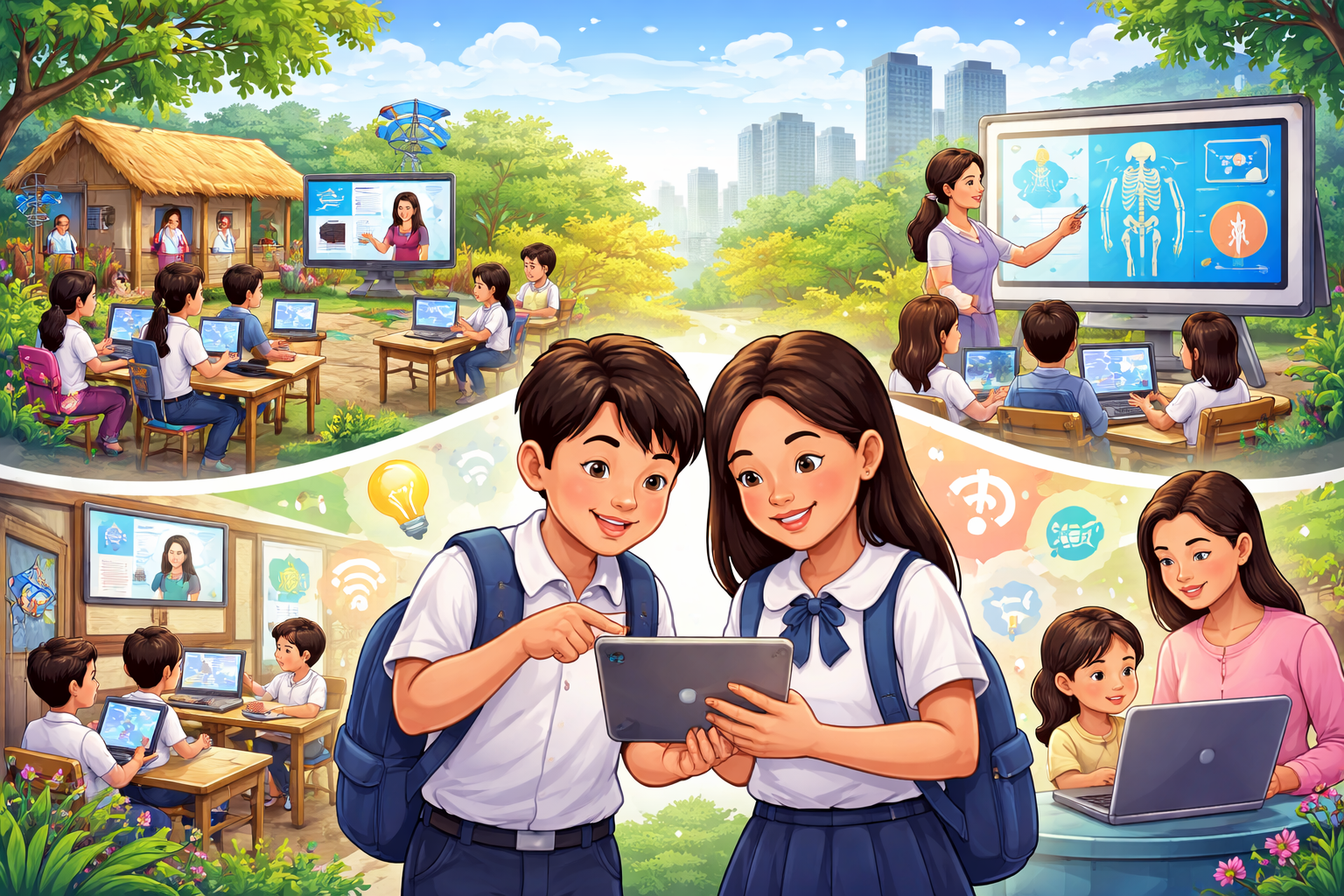
The adoption of technology in the Philippine education system has proven to be a game-changer in terms of improving learning outcomes, accessibility, and the overall educational experience. With the rapid pace of digital transformation worldwide, the Philippines has embraced technological innovations to address long-standing challenges within its education sector.
One of the primary benefits of technology in education is the enhanced accessibility it provides, particularly for students in rural or remote areas. In many parts of the Philippines, particularly in provinces outside the major cities, access to quality education has been limited by geographic barriers and inadequate resources. With the introduction of e-learning platforms, students in these regions can now access lessons and learning materials online, reducing the disparity between urban and rural education.
In urban centers, technology is being used to complement traditional classroom learning. Interactive digital tools such as educational apps, online quizzes, and digital textbooks help students engage with learning materials in more dynamic ways. These tools make complex topics easier to understand by presenting information in interactive, multimedia formats. For example, interactive 3D models can help students visualize difficult concepts in subjects like biology, chemistry, and physics, fostering better understanding and retention of knowledge.
Moreover, technology enables teachers to enhance their teaching methods. Through online training and workshops, educators can improve their skills, learn about new teaching strategies, and discover innovative ways to incorporate technology into their classrooms. As a result, teachers can create more engaging and effective lessons, helping to improve student motivation and academic performance.
The use of technology also allows for greater flexibility in the learning process. Through online platforms, students can access lessons at their own pace and at times that are most convenient for them. This flexibility is particularly beneficial for learners who may have other responsibilities, such as working students or those with family obligations. It also allows for better accommodations for students with special needs, who can access personalized learning resources tailored to their individual requirements.
Despite the positive impact of technology on education in the Philippines, challenges remain, particularly regarding infrastructure and affordability. Internet connectivity is still unreliable in many rural areas, making it difficult for students in these regions to fully benefit from online learning platforms. Additionally, the cost of smartphones, laptops, and other digital devices can be prohibitive for many families, preventing students from accessing online resources.
Recognizing these challenges, the Philippine government has made efforts to address these issues through initiatives such as the “DepEd Commons” platform, which provides free access to learning materials for both students and teachers. Additionally, the government is working to improve internet infrastructure and make digital devices more affordable through subsidies and partnerships with private companies.
In the long run, technology is set to continue playing a vital role in transforming education in the Philippines. By addressing issues related to access and affordability, the country can fully leverage the benefits of technology to create a more equitable and effective education system.