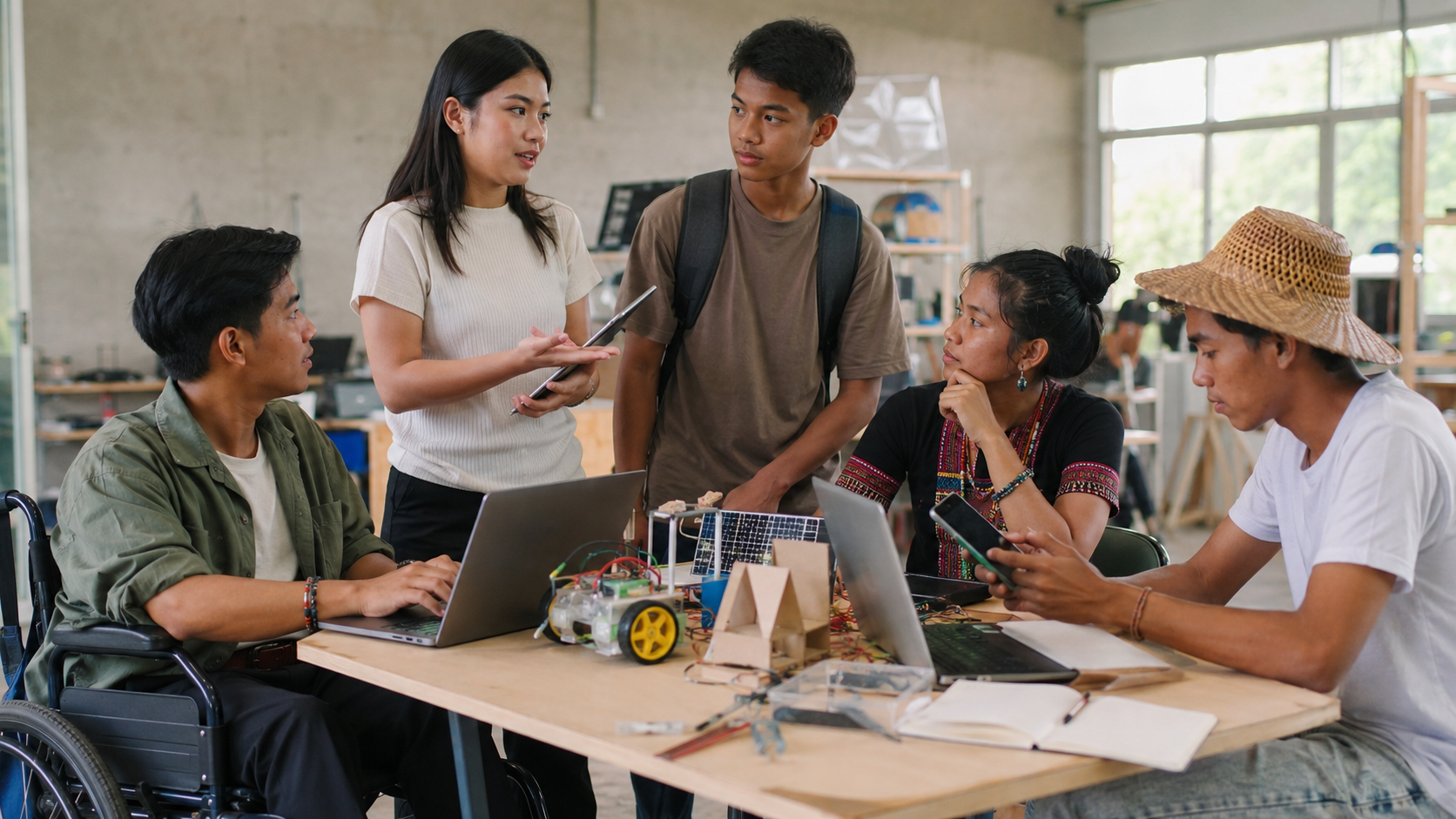

In recent years, the Philippines has witnessed an influx of innovative startups that are solving unique local challenges. Filipino entrepreneurs are shaping the future of industries such as fintech, e-commerce, and logistics. This article explores some of the most promising startups in the Philippines and discusses the difficulties they face in a rapidly evolving market.
Key Startups in the Philippines
- GoTyme Bank
GoTyme Bank is a digital bank that allows Filipinos to manage their finances entirely through mobile phones. The bank has become popular due to its ease of use and lack of physical branches, providing a more accessible banking experience for those in underserved areas. GoTyme is also one of the first fully digital banks to operate in the country, offering a fresh alternative to traditional banks. - LenddoEFL
LenddoEFL is a fintech company that uses alternative data to provide credit scoring for individuals without traditional credit histories. With its cutting-edge technology, LenddoEFL has been able to offer financial services to millions of Filipinos who have never had access to banking before, creating opportunities for financial inclusion. - Foodpanda Philippines
Foodpanda is an online food delivery service that connects consumers with local restaurants. As the demand for food delivery services continues to rise, Foodpanda has grown rapidly by offering an intuitive app, a wide variety of restaurant choices, and efficient delivery. Its success in the Philippines highlights the country’s growing appetite for online services and convenience.
Challenges to Startup Growth
Even with their success, Filipino startups face various challenges. One of the most significant hurdles is funding. Although the Philippines has seen an influx of venture capital, many startups still struggle to secure the investment they need to scale their operations. The competition for venture funding is fierce, and without proper financial backing, many businesses cannot fully realize their potential.
Another challenge is talent retention. As the demand for skilled professionals increases, startups often struggle to compete with larger companies that offer more lucrative salaries and benefits. This leads to high employee turnover rates, making it difficult for startups to build stable teams.
Conclusion
Filipino startups are navigating an increasingly complex business environment, but with innovation, resilience, and the right support, they are achieving great success. Despite the challenges of funding, competition, and talent retention, the future of startups in the Philippines looks bright. Continued investment and infrastructure improvements could further accelerate the growth of this promising sector.