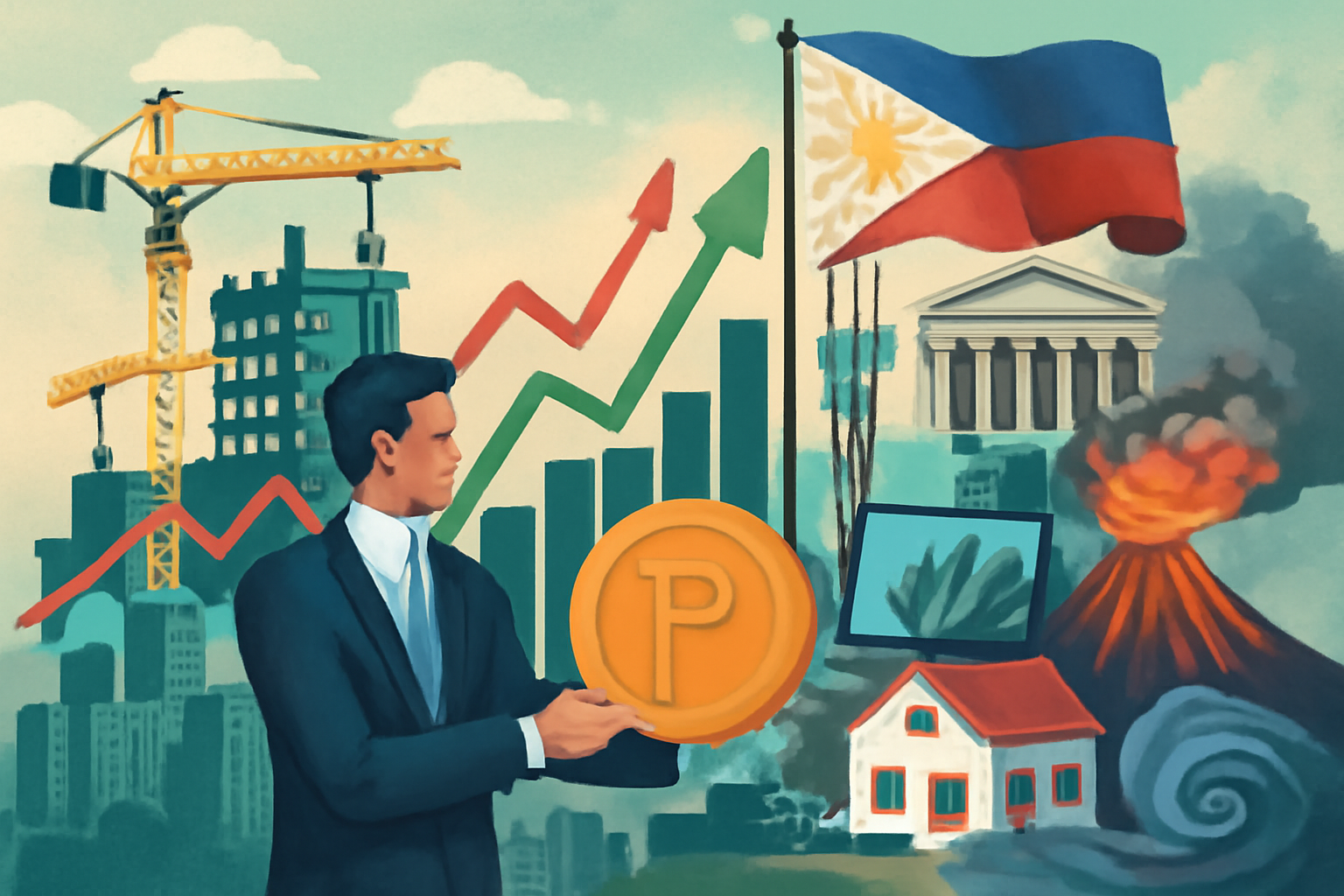
The Philippine financial market has shown substantial growth over the past decade, and the country has become an increasingly attractive investment destination. Its strong economic fundamentals, growing population, and expanding infrastructure present various investment opportunities. However, investors must also address certain challenges to ensure successful and profitable ventures in this emerging market.
Investment Opportunities
- Resilient Economic Growth
Despite global economic challenges, the Philippine economy has proven resilient, with a steady growth trajectory. Driven by remittances, consumption, and infrastructure development, the country offers strong economic fundamentals that support diverse investment opportunities. The government’s proactive economic policies, such as the “Build, Build, Build” program, ensure long-term growth prospects. - Sectoral Diversification
The Philippines has a diverse range of industries providing ample investment opportunities. Key sectors such as banking, retail, real estate, and manufacturing continue to perform well and offer stable returns. As the country urbanizes, demand for infrastructure, housing, and consumer goods increases, providing a favorable environment for long-term investments in these sectors. - Real Estate Investment
The Philippine real estate sector is experiencing significant growth, especially in Metro Manila and other major cities. The ongoing expansion of infrastructure projects, along with increased foreign investments, supports demand for residential, commercial, and industrial properties. Real estate investment trusts (REITs) have also gained popularity, allowing both local and foreign investors to gain exposure to the market without the need to directly purchase property. - Digital Economy Growth
The digital economy in the Philippines is rapidly expanding, particularly in areas like e-commerce, fintech, and digital payments. With an increasing number of internet users and mobile phone penetration, the country is ripe for digital innovation. The Philippine government’s push to modernize its digital infrastructure further fuels this trend, presenting a wide array of investment opportunities in the tech sector. - Growing Middle Class
With a rapidly expanding middle class, the Philippines is expected to see continued growth in domestic consumption, driving demand for various products and services. This increase in purchasing power creates opportunities for investment in sectors like retail, consumer goods, healthcare, and education.
Challenges to Overcome
- Political and Regulatory Risks
Political risk is a key challenge for investors in the Philippines. Frequent changes in government policies, tax regulations, and industry-specific rules can create an unpredictable environment for businesses. Moreover, issues like corruption and bureaucratic delays may hinder the ease of doing business, making it crucial for investors to stay informed about political developments. - Currency and Inflation Risks
Currency volatility and inflation pose significant risks for investors in the Philippines. The Philippine Peso’s fluctuations can affect returns for foreign investors, while inflation erodes the purchasing power of the local population. These risks require investors to factor in the macroeconomic environment and assess potential currency hedging strategies. - Natural Disasters
As a country located in the Pacific Ring of Fire, the Philippines is prone to natural disasters, including typhoons, earthquakes, and volcanic eruptions. These events can disrupt business operations, damage infrastructure, and lead to financial losses. Investors need to be prepared for such risks, particularly in sectors like agriculture, construction, and retail. - Market Liquidity
The Philippine financial market, particularly in smaller stocks or emerging sectors, may lack liquidity. This can result in difficulty when trying to buy or sell assets, as well as potential market volatility. Investors looking for quick returns may find it more challenging to navigate a market with limited liquidity. - Underdeveloped Infrastructure
Although infrastructure development is a priority for the government, some areas of the Philippines still suffer from inadequate infrastructure. Problems like traffic congestion, unreliable public transportation, and inconsistent energy supplies can impact business operations and affect investment returns, especially for businesses in logistics or manufacturing.
Conclusion
The Philippines’ financial market offers a wealth of investment opportunities across diverse sectors, including real estate, digital technology, and infrastructure. The country’s strong economic growth, favorable demographics, and government support make it an attractive destination for investors. However, challenges such as political instability, currency risks, natural disasters, and market liquidity should be carefully considered. By staying informed and taking a cautious, well-researched approach, investors can successfully navigate the Philippine financial market’s opportunities and risks.