The e-commerce sector in the Philippines is experiencing unprecedented growth, driven by technological advancements, changing consumer behavior, and the rise of mobile commerce. For startups, this is an exciting time to enter the market, but also one that requires careful consideration of the challenges they may face.
Opportunities for New Businesses
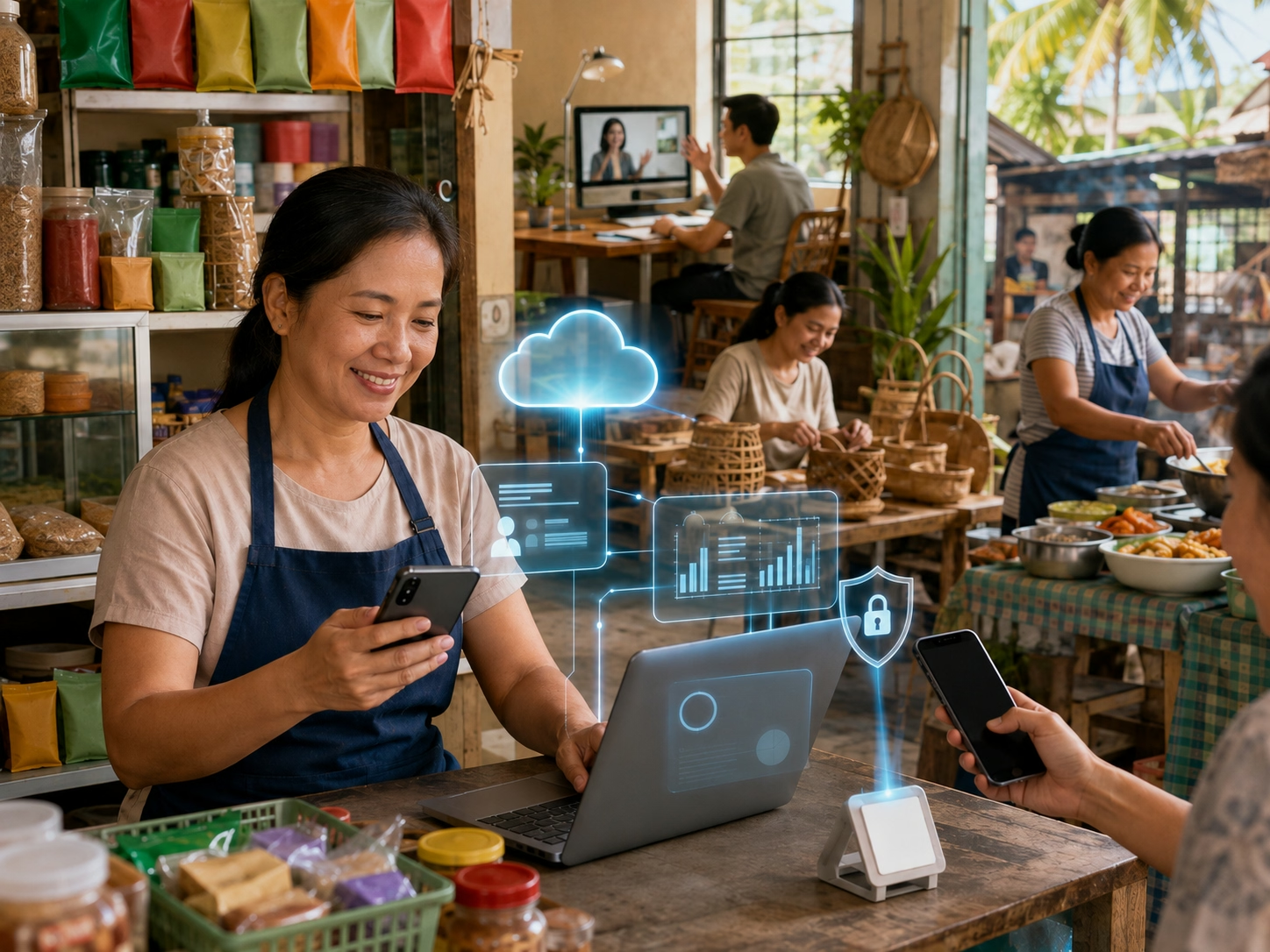
The Philippines is an ideal market for e-commerce startups due to the rapid expansion of internet connectivity. With more than 70 million internet users, the country is primed for online shopping. The rise of mobile commerce has particularly benefited startups, as mobile phones are the primary device for most Filipinos accessing e-commerce platforms.
Moreover, the Philippine market has a diverse consumer base with varying needs. E-commerce startups can tap into this diversity by focusing on specific niches, such as sustainable products, organic food, or technology gadgets. Catering to local preferences can give startups a competitive edge over larger, more generic platforms.
Challenges to Consider
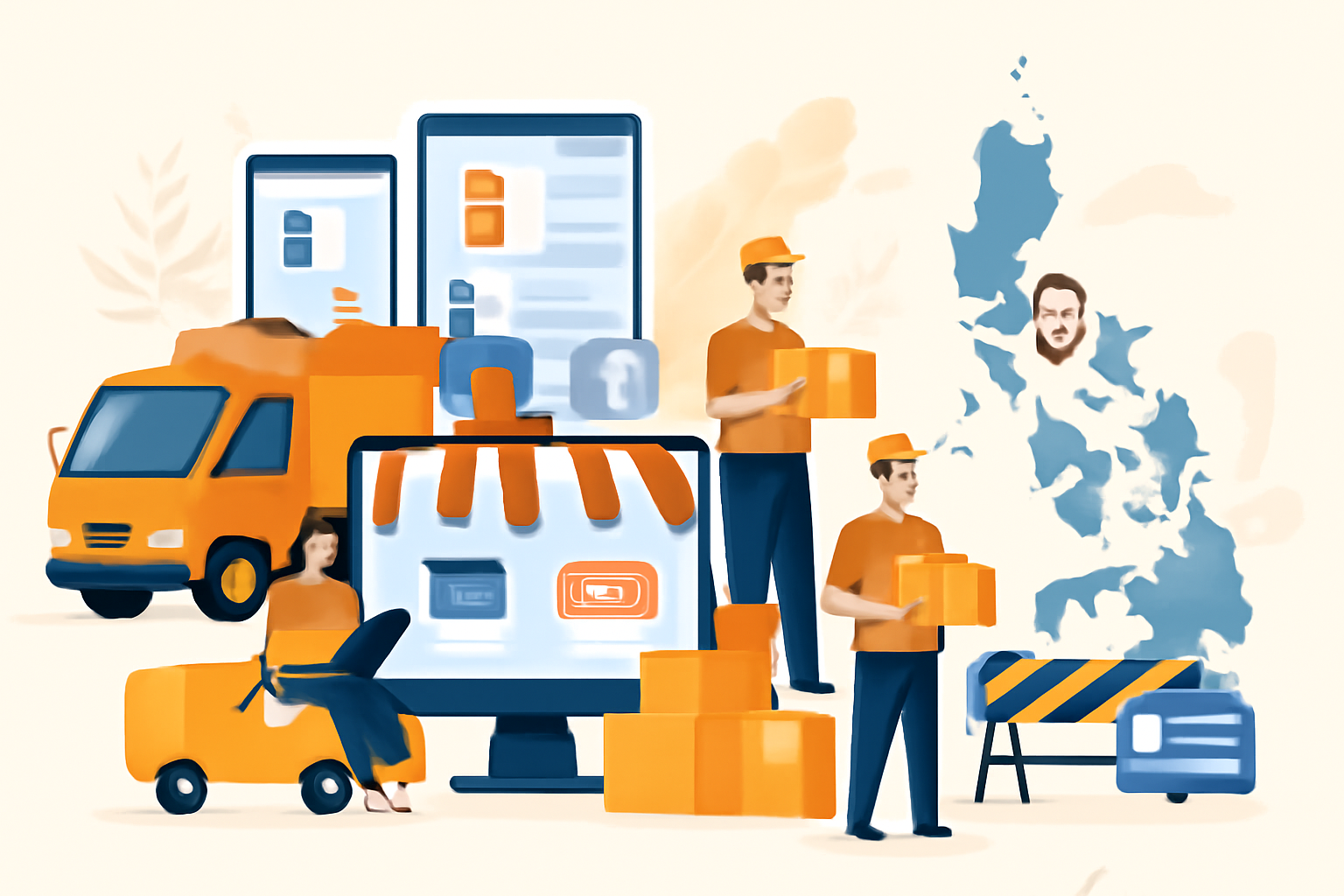
While the growth of the e-commerce sector in the Philippines presents ample opportunities, startups also need to be aware of the challenges. Logistics remain a significant issue, especially in rural areas. Shipping costs and delayed deliveries can harm customer satisfaction, making it essential for startups to have a reliable and efficient delivery system in place.
Another challenge is the reliance on cash-on-delivery (COD) payments. While digital payment solutions are gaining traction, COD is still the dominant payment method. This means startups have to deal with the logistical and financial complexities that come with cash payments.
Finally, competition from established e-commerce platforms remains a barrier. Large players have deep pockets and vast customer bases, which makes it difficult for startups to compete. To succeed, startups need to create a unique value proposition and focus on personalized customer experiences.
Conclusion
For startups looking to venture into the e-commerce market in the Philippines, the opportunities are immense. However, the challenges of logistics, payment systems, and intense competition must be addressed. With a well-thought-out strategy, new businesses can thrive in this dynamic market.