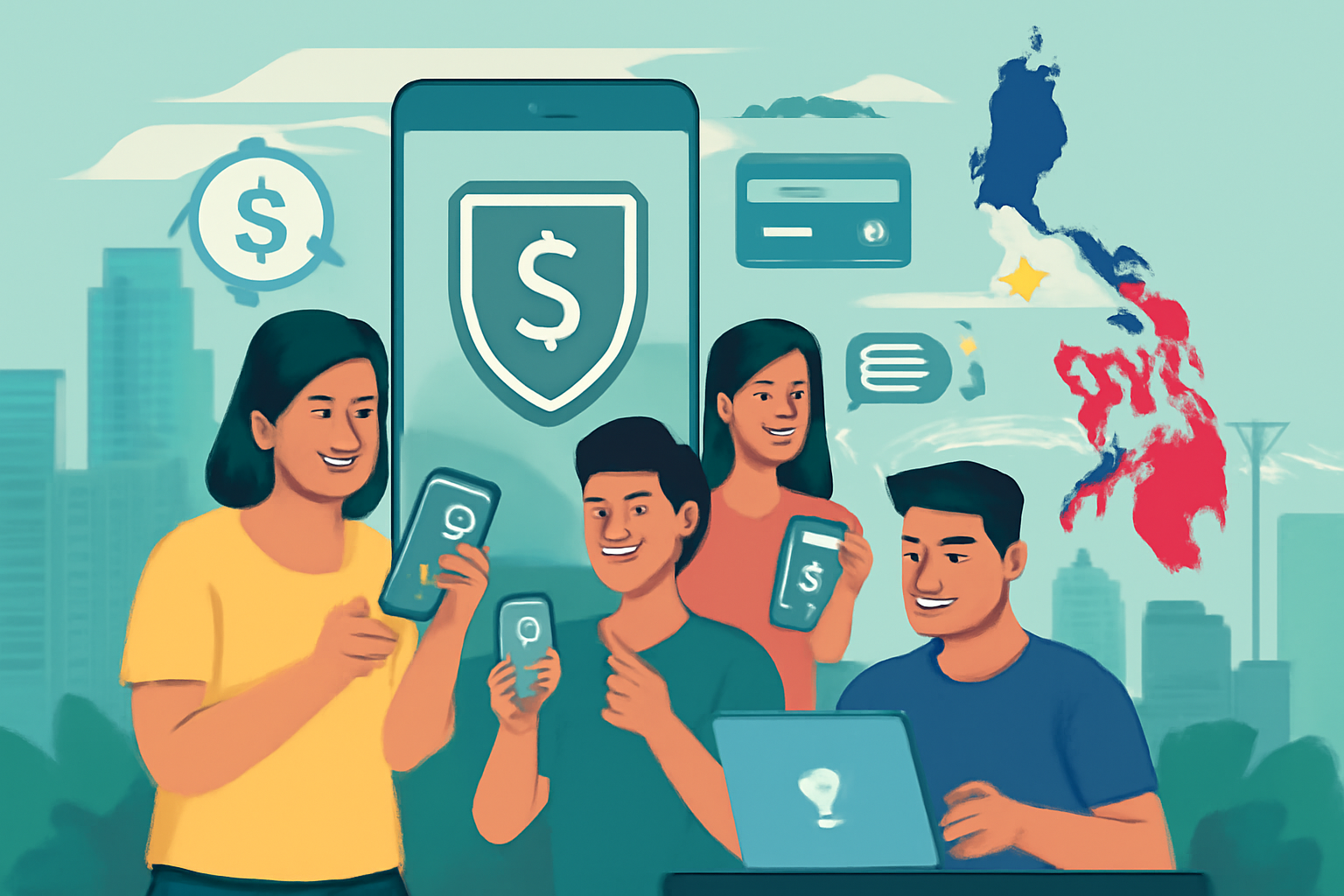
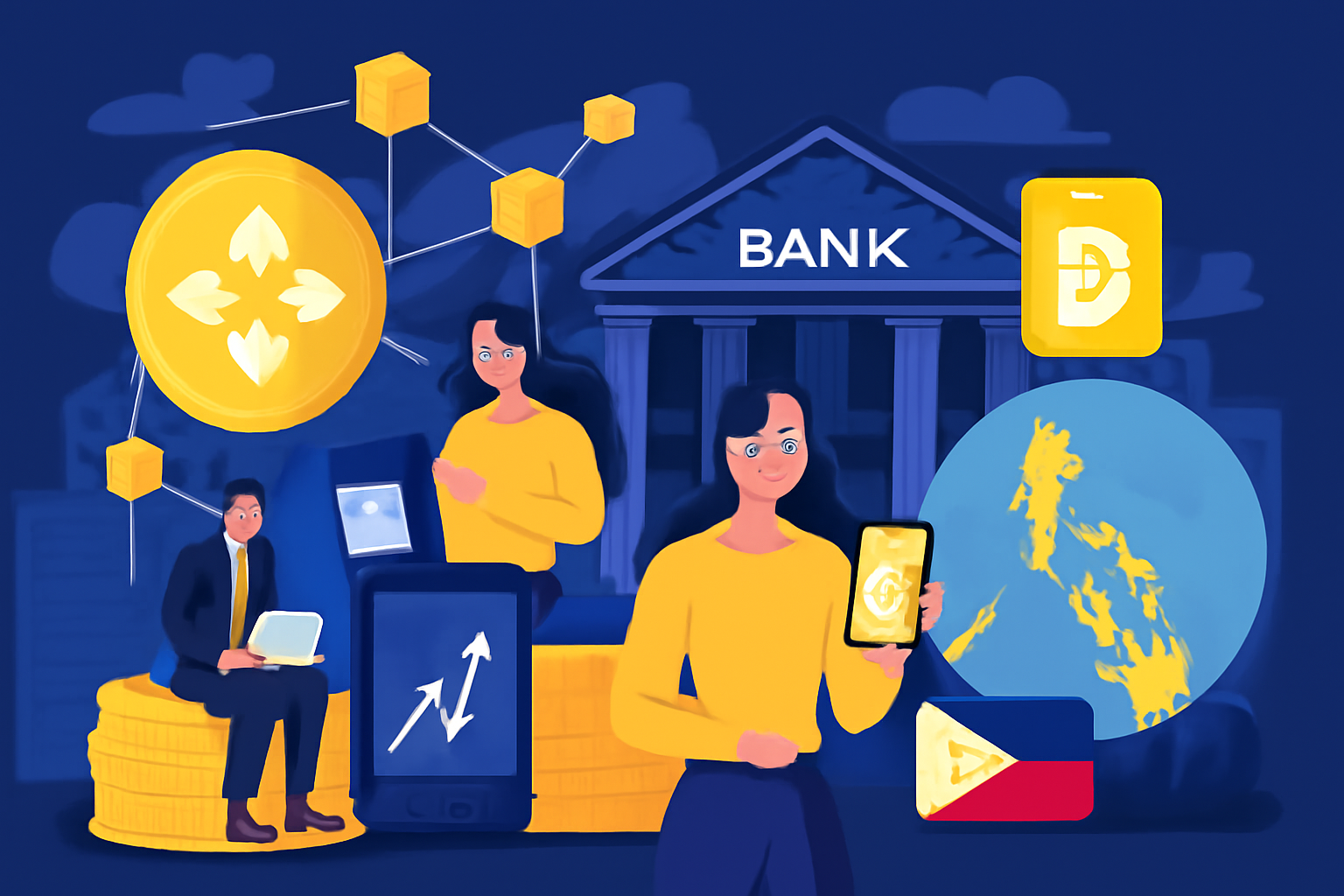
Blockchain technology is revolutionizing the way financial institutions operate worldwide, and the Philippines is no exception. With the rise of digital banking, blockchain presents an opportunity to enhance security, streamline operations, and improve financial inclusion. As the country continues to develop its digital economy, blockchain can play a central role in overcoming some of the biggest challenges facing the Philippine banking sector.
One of the major benefits of blockchain technology is its ability to secure financial transactions. In the Philippines, where concerns over cyber threats and financial fraud are growing, blockchain offers a solution that is both secure and transparent. Traditional banking systems rely on centralized databases, which are vulnerable to hacking and data manipulation. Blockchain operates on a decentralized network, where each transaction is cryptographically verified and recorded in a public ledger. Once a transaction is added to the blockchain, it becomes immutable, meaning it cannot be altered or tampered with. This feature ensures that financial transactions are secure and trustworthy, reducing the risk of fraud for banks and customers alike.
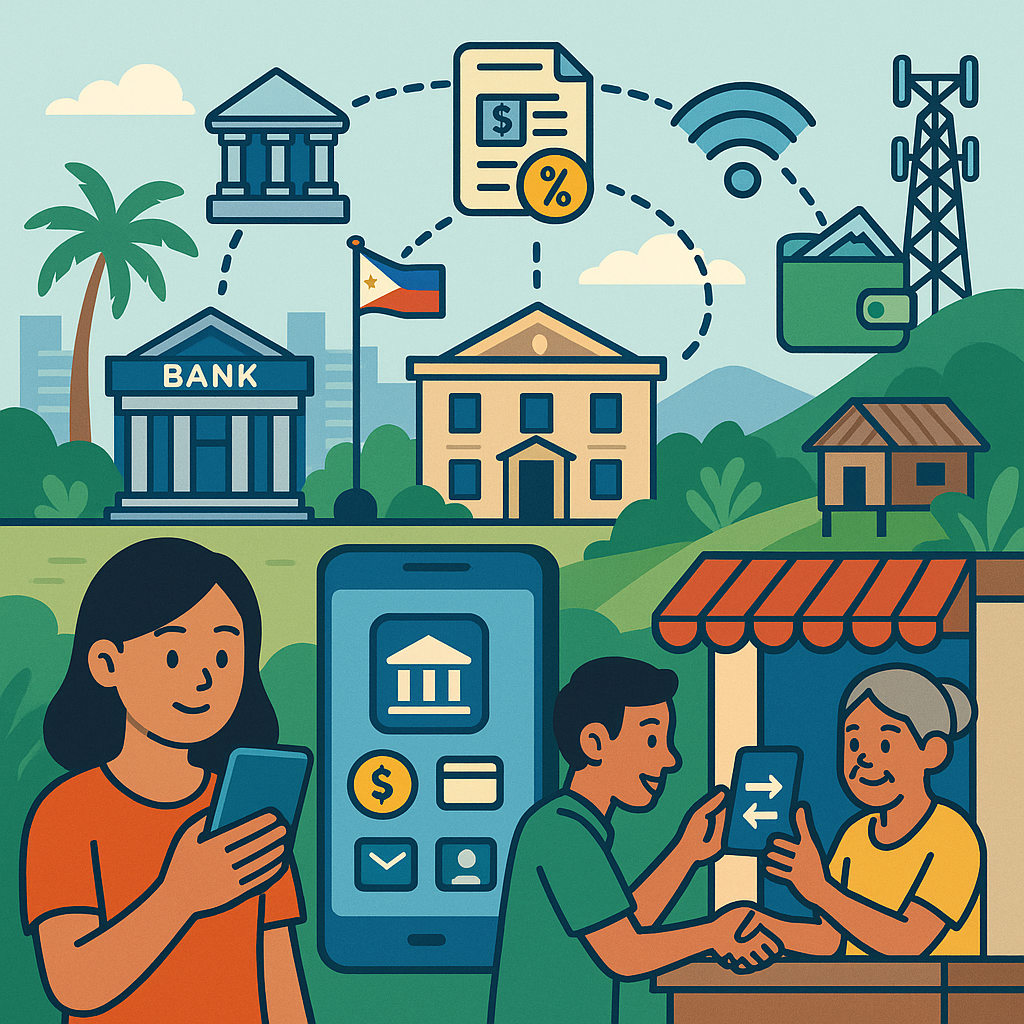
Blockchain technology also has the potential to enhance financial inclusion in the Philippines. Despite the country’s expanding digital economy, a significant number of Filipinos still lack access to traditional banking services. Many rural areas have limited access to banks, leaving a large portion of the population without access to essential financial products. Blockchain can bridge this gap by enabling decentralized financial services (DeFi) that provide banking services via mobile phones and digital platforms. Through blockchain-based mobile wallets and payment systems, Filipinos in remote areas can perform financial transactions, access loans, and save money without needing to visit a physical bank.
Furthermore, blockchain can address the inefficiencies in the Philippines’ remittance sector. The country is one of the largest recipients of remittances globally, with millions of overseas Filipino workers (OFWs) sending money back home. However, traditional remittance services are often slow, expensive, and lack transparency. Blockchain can streamline this process by enabling fast, secure, and low-cost cross-border payments. By removing intermediaries and utilizing smart contracts, blockchain technology makes it possible for funds to be transferred directly and efficiently, benefiting both senders and recipients.
In addition to remittances, blockchain can enhance the efficiency of domestic payments in the Philippines. Traditional payment systems often involve multiple intermediaries, which can result in delays and higher transaction costs. Blockchain eliminates the need for intermediaries by allowing for direct peer-to-peer transactions. This makes payments faster and cheaper, benefiting both businesses and consumers. By increasing the speed and reducing the cost of transactions, blockchain has the potential to improve the overall efficiency of the Philippine banking system.
Regulatory support is a key factor in the successful integration of blockchain technology into the Philippine banking sector. The Bangko Sentral ng Pilipinas (BSP) has been proactive in introducing regulations to guide the safe use of blockchain technology in financial services. These regulations provide a secure environment for blockchain adoption, ensuring that both consumers and financial institutions are protected. With the BSP’s support, blockchain is becoming an integral part of the Philippine financial landscape, attracting investment and innovation in the fintech sector.
As blockchain technology continues to evolve, its potential to transform the Philippine banking sector becomes increasingly apparent. By enhancing security, improving financial inclusion, and streamlining payments, blockchain offers a promising solution to the challenges faced by the banking industry. With the continued support of regulatory bodies and financial institutions, the future of blockchain in the Philippines looks bright, paving the way for a more efficient and inclusive financial system.