As the Philippine economy continues to evolve, the stock market has begun to embrace the transformative power of digital technology and financial technology (fintech). These advancements are paving the way for a more inclusive, efficient, and transparent market, and have the potential to significantly boost market participation in the coming years.
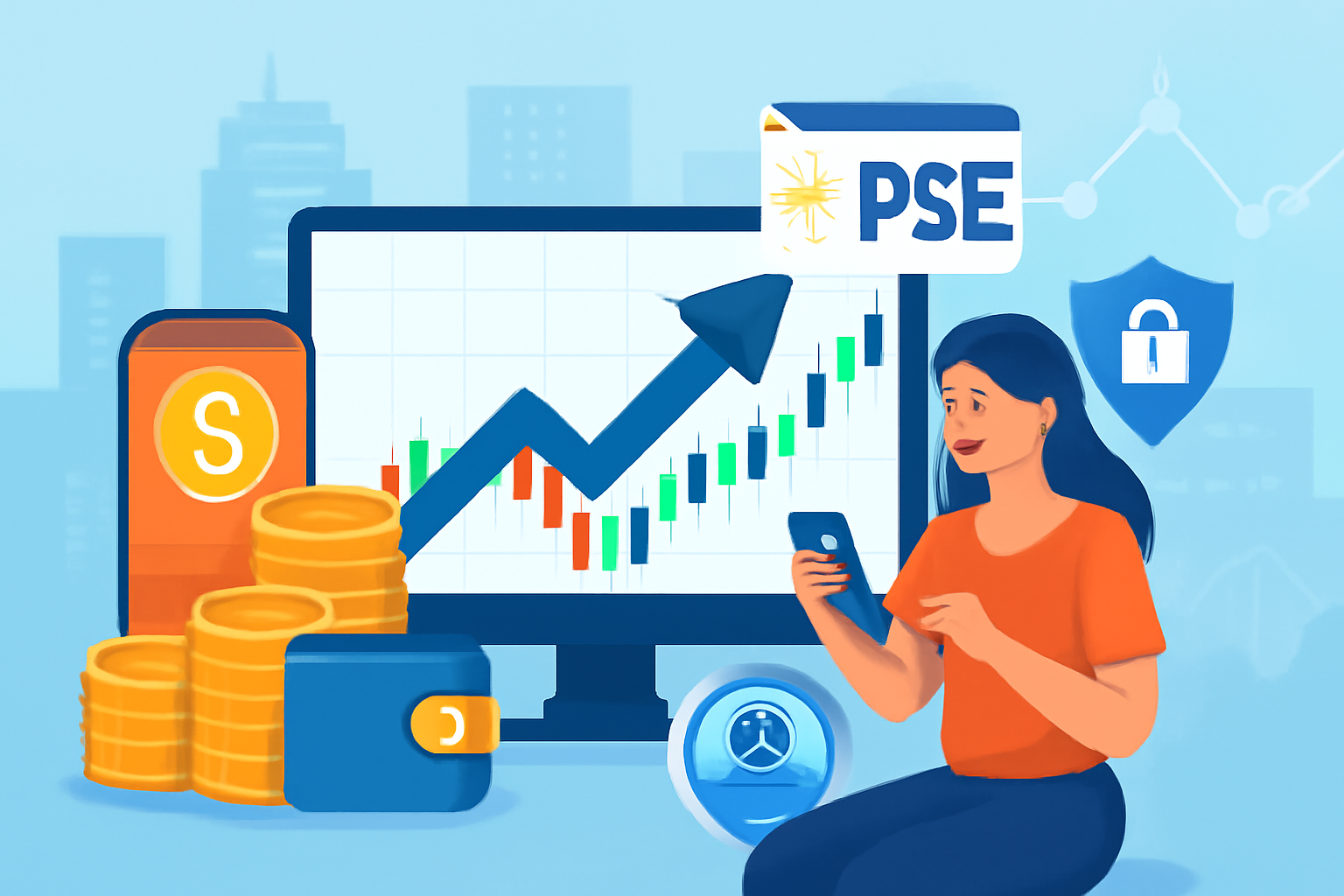
One of the most impactful changes is the rise of online brokerage platforms. These platforms have made it easier than ever for Filipinos to buy and sell stocks. Unlike traditional brokerage models, which often require in-person interactions or phone calls, digital platforms allow investors to trade on their own terms. Whether they are at home, at work, or on the go, investors can execute trades at their convenience, opening up new possibilities for market participation.
The Philippine Stock Exchange (PSE) has also embraced digital technology in its operations. By implementing an electronic trading system, the PSE has streamlined the trading process, making it more efficient and transparent. These improvements have made the exchange more attractive to both local and international investors. As digital trading systems become more prevalent, the speed of transactions has increased, reducing the time needed for trades to be completed. This improvement benefits all market participants, as it allows for faster price discovery and more accurate market valuations.
Fintech innovations, such as peer-to-peer lending and crowdfunding, are further diversifying the financial landscape in the Philippines. These technologies are providing alternative investment opportunities that were previously unavailable to the general public. By using digital platforms, individuals can invest in projects or startups, helping to spur economic growth and innovation. This democratization of investment opportunities is helping to broaden the appeal of the stock market.
Another promising development is the rise of mobile wallets and digital banking services, which are simplifying the process of transferring funds to stock trading accounts. These digital payment systems allow individuals to easily deposit money into their trading accounts, ensuring that the process of investing in stocks is as smooth as possible. As the adoption of digital wallets grows, more Filipinos will be able to participate in the stock market with minimal effort.
Despite these positive developments, there are some challenges to overcome. One of the main concerns is the relatively low level of financial literacy in the country. While digital platforms have made investing more accessible, many Filipinos still lack the knowledge needed to make informed decisions about their investments. To address this issue, educational programs focused on financial literacy must be expanded, helping Filipinos understand the risks and rewards associated with stock market investing.
In addition, as digital trading becomes more prevalent, the risks associated with cybersecurity and fraud increase. The protection of investor data and funds will be a crucial issue moving forward. It is essential that the government and private companies continue to invest in secure digital infrastructure to ensure that the stock market remains a safe environment for all participants.
As the Philippine stock market continues to adapt to the digital and fintech age, it is likely to see continued growth and development. The increased accessibility, efficiency, and transparency offered by digital platforms and fintech innovations are helping to shape a more dynamic and inclusive market. However, in order to fully realize the potential of these changes, it will be essential to continue addressing the challenges of financial literacy and cybersecurity.