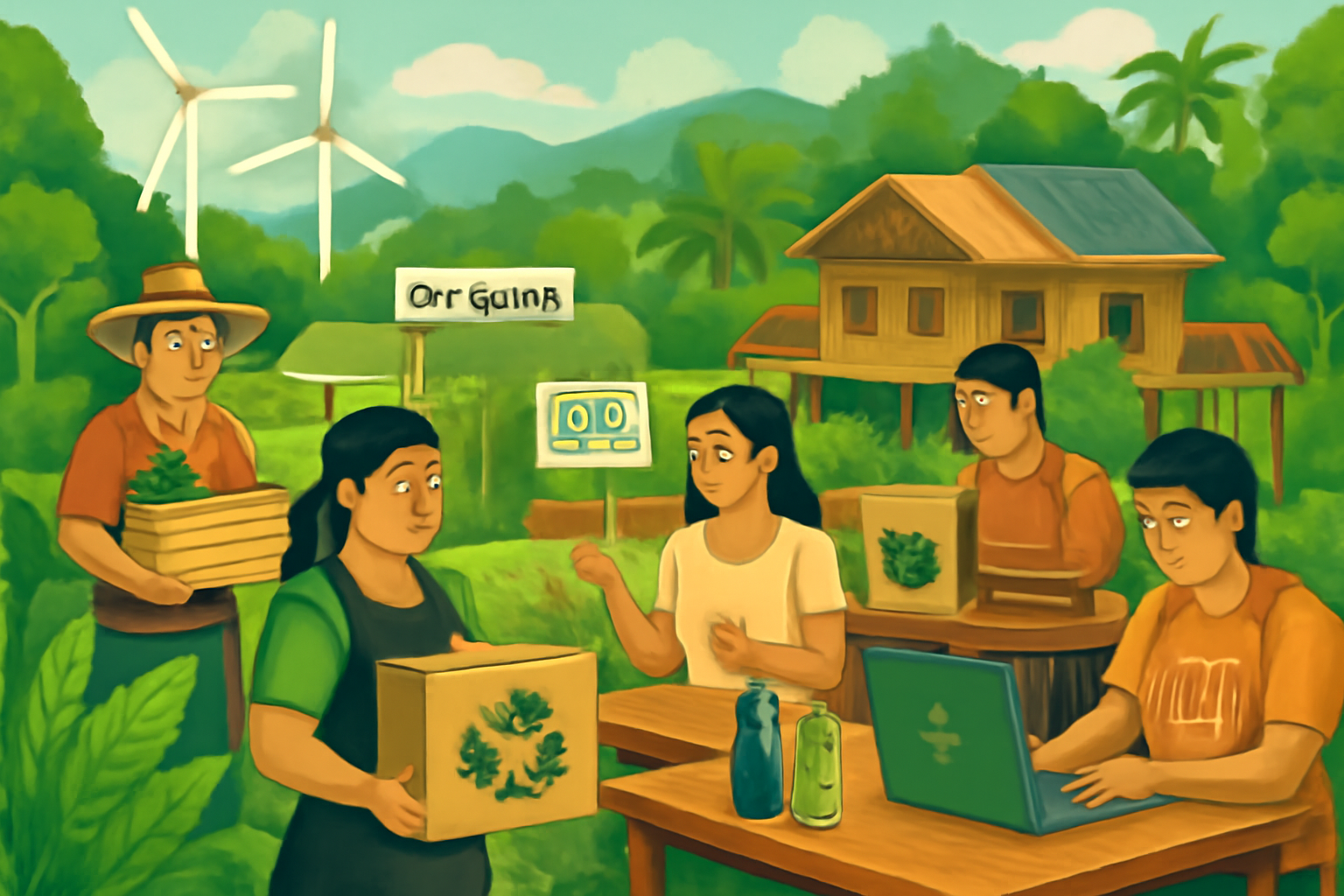
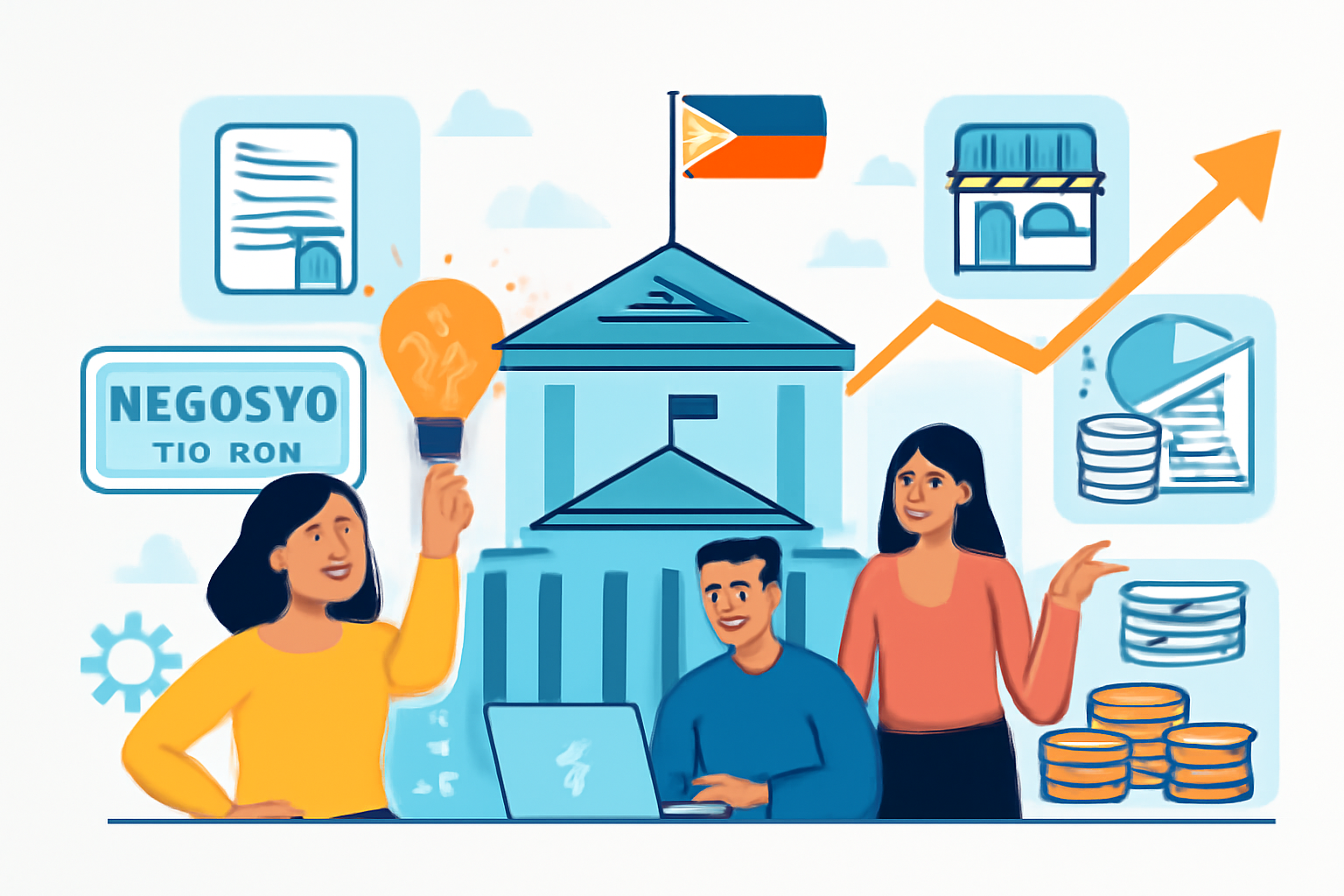
Small and medium-sized enterprises (SMEs) are the cornerstone of the Philippine economy, providing a substantial portion of employment and contributing significantly to national income. To ensure the sustainability and growth of these businesses, the Philippine government has implemented a variety of measures to support entrepreneurs.
One of the most crucial government bodies offering assistance is the Department of Trade and Industry (DTI). The DTI helps entrepreneurs by providing essential services such as business registration, product development, and market linkages. These services enable businesses to reach a wider customer base and improve their competitiveness in an increasingly globalized market.
The government has also focused on reducing bureaucratic hurdles that often discourage people from starting businesses. The Philippine Business Registry (PBR) system is an online platform that simplifies the business registration process, making it quicker and more efficient for entrepreneurs to start their ventures. This digitalization effort has greatly streamlined the process and is part of the government’s larger initiative to modernize public services.
In addition, the establishment of Negosyo Centers throughout the country has played a significant role in providing entrepreneurs with easy access to business advisory services, training programs, and even financial assistance. These centers are designed to be accessible to entrepreneurs in both urban and rural areas, ensuring that support is available to those who may face challenges in accessing resources.
Access to capital is another key area where the Philippine government offers support to SMEs. The Small Business Corporation (SBCorp) provides low-interest loans to micro and small businesses, helping them obtain the financial resources necessary for expansion and innovation. Additionally, during the COVID-19 pandemic, the government rolled out several financial relief programs aimed at helping businesses survive and recover from the crisis.
Tax reform has also been a significant factor in supporting SMEs. Under the Tax Reform for Acceleration and Inclusion (TRAIN) Law, businesses are granted tax reductions, especially for micro and small enterprises. This policy allows businesses to save on taxes, which can be reinvested into operations or used to expand their businesses.
Overall, the Philippine government’s support for SMEs is extensive and reflects a clear commitment to fostering a thriving entrepreneurial ecosystem. By focusing on improving access to resources, financial assistance, and simplified regulatory processes, the government is playing a crucial role in empowering Filipino entrepreneurs.