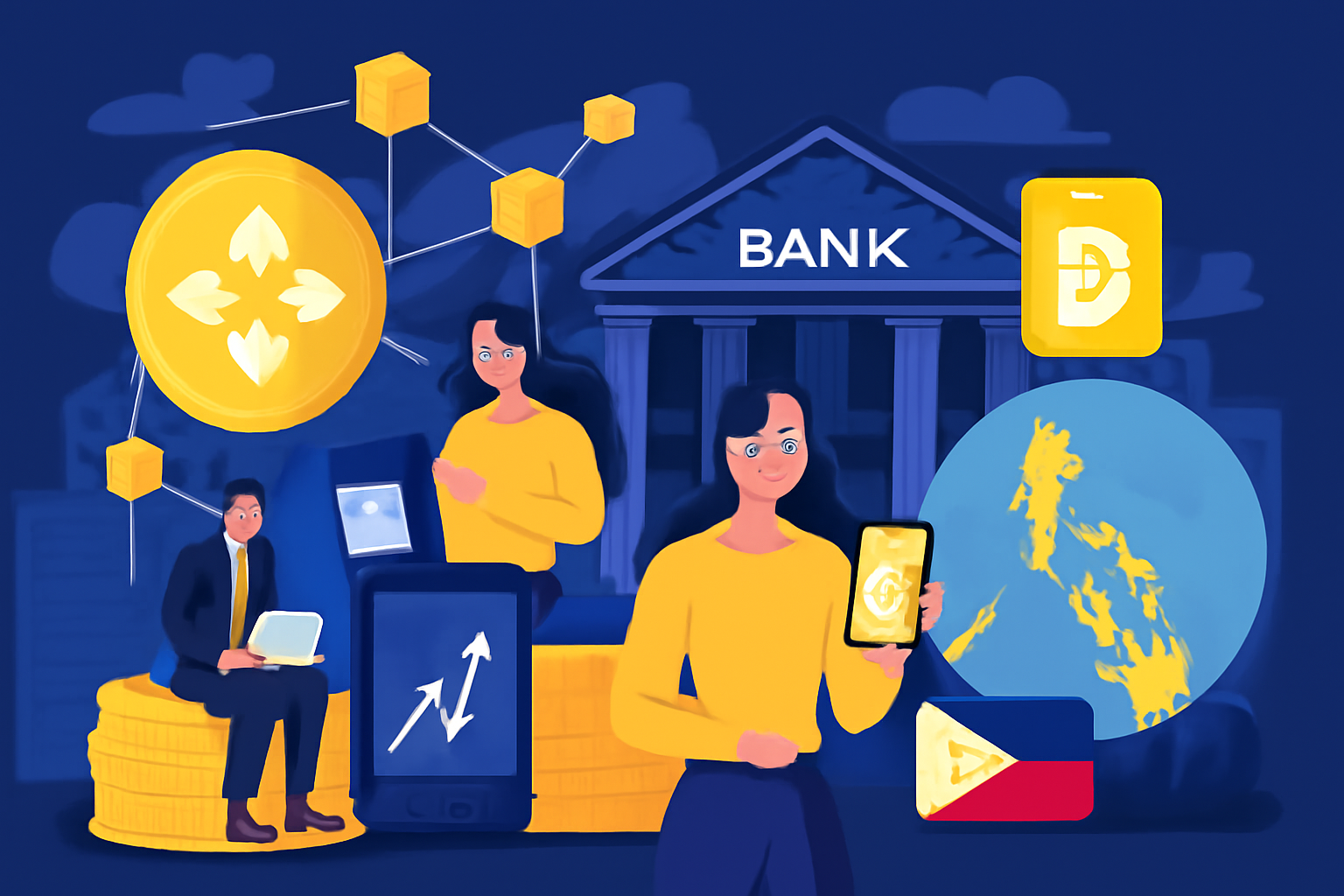

Peer-to-peer (P2P) lending has emerged as a promising investment opportunity in the Philippines. By enabling individuals to lend directly to borrowers via online platforms, P2P lending bypasses traditional banking institutions. The Philippine market, with its growing digital economy and large unbanked population, offers significant potential for investors to gain attractive returns. However, like any investment, there are risks to consider.
The Investment Opportunity
- High Returns:
Investors are often attracted to P2P lending because of the potential for high returns. Compared to traditional savings accounts or government bonds, P2P lending can offer significantly higher yields, sometimes in the double digits. In the Philippines, interest rates typically range from 10% to 20%, depending on the risk profile of the loan. - Fostering Financial Inclusion:
The Philippines has a substantial number of individuals and small businesses without access to formal financial services. P2P lending platforms serve as an alternative by providing much-needed capital to these underserved segments. By investing in P2P loans, investors can contribute to financial inclusion, which in turn can foster broader economic growth. - Diversification Strategy:
For investors looking to diversify their portfolios, P2P lending offers a unique asset class. Unlike stocks or bonds, P2P loans are less correlated with market fluctuations, potentially reducing overall portfolio risk. Investors can diversify by selecting loans with varying degrees of risk and return, thus spreading risk across different sectors and borrower profiles.
Potential Challenges for Investors
- Credit Risk and Defaults:
One of the main risks associated with P2P lending is the potential for borrower defaults. In the Philippines, many borrowers may not have a well-established credit history, making it harder to assess their likelihood of repayment. While platforms use various tools to mitigate this risk, defaults can still occur, and investors may lose part or all of their capital. - Lack of Clear Regulations:
P2P lending is still relatively new in the Philippines, and regulatory frameworks are evolving. The absence of clear regulations creates uncertainty for investors, as future regulatory changes could affect platform operations, interest rates, and investor protections. Although the government has shown interest in regulating the sector, comprehensive guidelines have yet to be fully implemented. - Platform Stability:
The viability of P2P lending platforms is another area of concern. These platforms are often startups or small businesses that may not have the same stability as larger financial institutions. In the event of a platform failure, investors could face difficulties accessing their funds. It is essential for investors to choose platforms that are transparent and have a good track record. - Illiquidity of Investments:
Unlike publicly traded stocks, P2P loans are illiquid. Once an investor commits funds to a loan, the capital is tied up until the borrower repays the loan. This lack of liquidity means that investors should be prepared to wait for the loan’s duration, which can range from months to years, before they can access their money.
Looking Toward the Future
As the Philippines continues to develop its digital economy, P2P lending has the potential to become a mainstream investment option. With increased internet penetration, mobile banking adoption, and improvements in financial literacy, the market for P2P lending could grow significantly in the coming years. At the same time, as regulatory clarity improves, the sector will likely become more stable, giving investors greater confidence.
While P2P lending in the Philippines offers exciting opportunities, it is not without its challenges. Investors should carefully assess the risks, conduct thorough due diligence on platforms, and consider diversifying their investments across multiple loans to minimize risk. With the right approach, P2P lending can be a valuable addition to an investment strategy.