
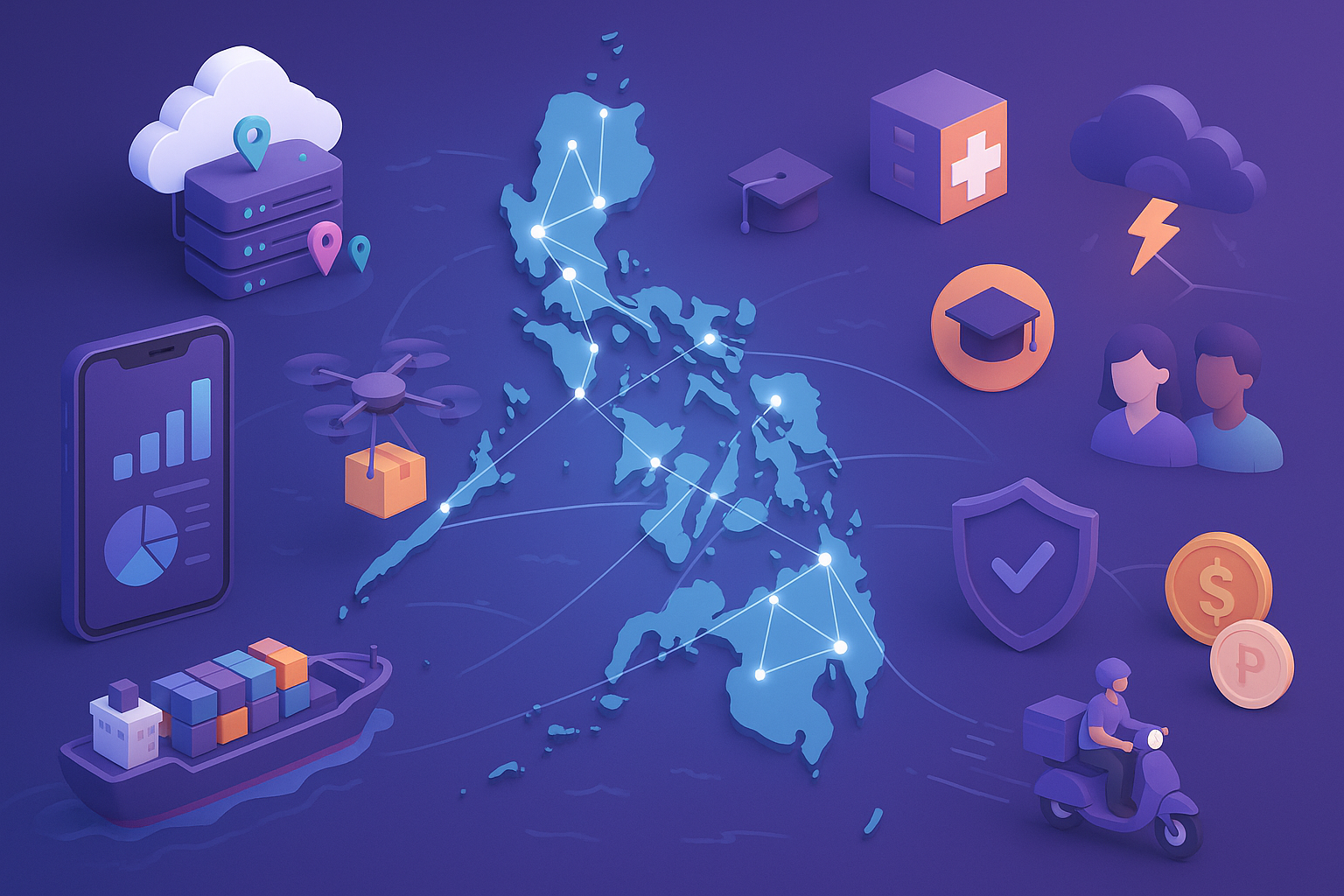
The Philippine startup story often gets summarized as “great demand, tricky supply.” Demand is clear: digitizing SMEs, a remittance-rich consumer base, and rapid mobile adoption. The trickiness lies in procuring capital and building on infrastructure that still has uneven edges.
Seed money is the narrowest gate. Local investors exist but typically operate within prudent mandates—seeking verifiable traction and disciplined unit economics. Foreign investors probe the market but may hesitate without local co-investors or proven founders. This leads to scrappy financing: angel collectives, grant stacking, early revenue pre-sales, and strategic partnerships with telcos or banks. Each route carries governance implications; scattered cap tables can complicate later rounds, and corporate partners may negotiate exclusivity that limits future deals.
Beyond the check, currency management matters. Many costs—cloud, software, some talent—track USD, while revenues are predominantly peso. Founders who model FX scenarios and hedge informally (e.g., USD reserves, staggered prepayments) avoid margin shocks. Transparent runway math is now a board-level discipline.
Infrastructure realities shape product choices. Connectivity has improved in Metro Manila and key cities, yet outages and congestion occur. Teams shipping consumer apps increasingly add “graceful degradation”: deferred-sync, resumable uploads, and local-first UX to smooth patchy networks. Power interruptions necessitate distributed deployments and robust incident response. For startups offering uptime-sensitive services—payments gateways, telemedicine platforms—SLA design and multi-region failover are competitive differentiators.
The physical topology of the country affects logistics-intensive models. Inter-island shipping time, customs-like inter-port processes, and weather-season variability constrain same-day promises. Startups tackle this with dark stores, regional micro-warehouses, or partnerships with nationwide 3PLs. For agri and cold-chain ventures, temperature excursions and return loops require meticulous SOPs and hardware calibration.
Regulatory navigation is non-trivial but increasingly structured. Fintechs can explore sandboxes; healthtechs interface with licensing bodies; data processors must operationalize privacy by design. Early investment in compliance tooling—logging, audit trails, encryption, key management—pays dividends during diligence and enterprise sales. Security certifications (SOC 2, ISO 27001) are now commercial assets, not mere badges.
Talent dynamics add one more constraint. The Philippines offers strong product and support talent, but senior engineers and data specialists are courted globally. ESOPs, internal guilds, and intentional career paths help stem churn. Remote hiring outside major hubs is feasible if you design for asynchronous processes and provide equipment stipends to counter local infrastructure gaps.
Ultimately, resilience is the meta-strategy. Treat the capital stack as modular (grants → angels → seed funds → strategic investors), pressure-test FX and burn scenarios, and architect for an imperfect network. Startups that encode these realities into their DNA build products—and businesses—that actually fit the Philippine context.