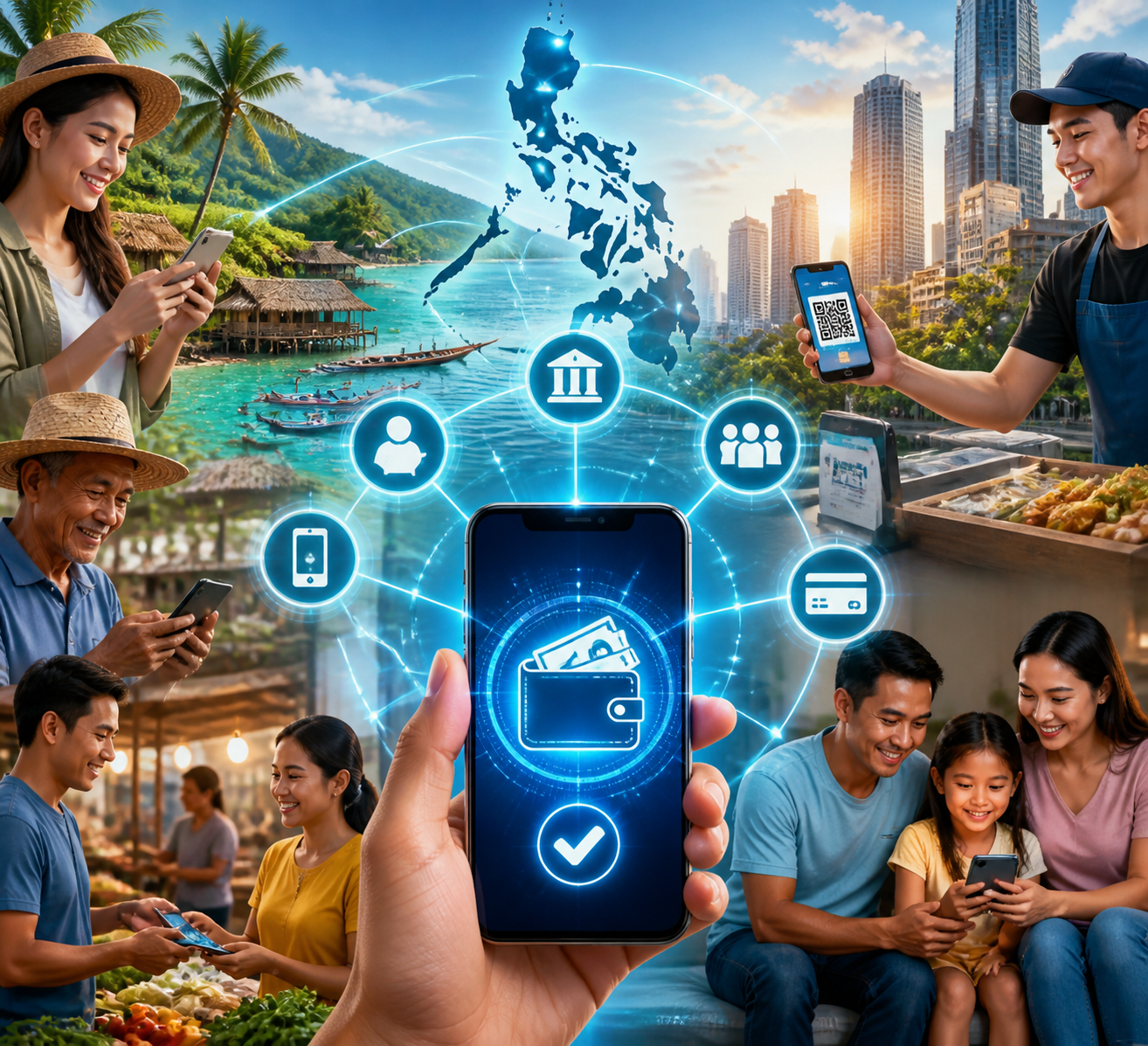
The digital payment landscape in the Philippines has seen a remarkable transformation, particularly in recent years. With a high mobile penetration rate, the country has increasingly turned to digital payment solutions to enhance access to financial services, especially for the unbanked population. These digital tools have not only revolutionized how people manage their finances but have also paved the way for broader financial inclusion.
A significant percentage of the Filipino population remains unbanked, often due to geographical barriers or a lack of necessary documentation. Digital payment platforms such as GCash, PayMaya, and Coins.ph have addressed these challenges by offering mobile-based financial services that don’t require users to have a bank account. These platforms allow users to perform a wide range of transactions, from paying bills and purchasing goods to sending money and even investing.
The government of the Philippines has been instrumental in promoting the adoption of digital payments through various policies and initiatives. The Bangko Sentral ng Pilipinas (BSP) has established clear targets for increasing the use of digital payments, aiming to shift 50% of all transactions to digital by 2023. This aligns with the broader objective of increasing financial inclusion, reducing cash dependency, and fostering a more formalized economy.
The COVID-19 pandemic significantly accelerated the adoption of digital payments across the nation. With movement restrictions in place, Filipinos were forced to find alternative ways to conduct transactions. This led to a surge in the use of mobile wallets and e-commerce platforms, enabling businesses to remain operational while adhering to safety protocols. Small businesses, in particular, benefited from the easy integration of digital payment systems, allowing them to continue serving customers remotely.
In addition to increasing convenience, digital payment systems have made financial services more accessible to those who traditionally had limited access to banking services. Mobile wallets have become vital tools for managing day-to-day finances, helping users avoid the need to visit physical bank branches. This has proven invaluable for individuals in remote areas, where bank branches may be few and far between.
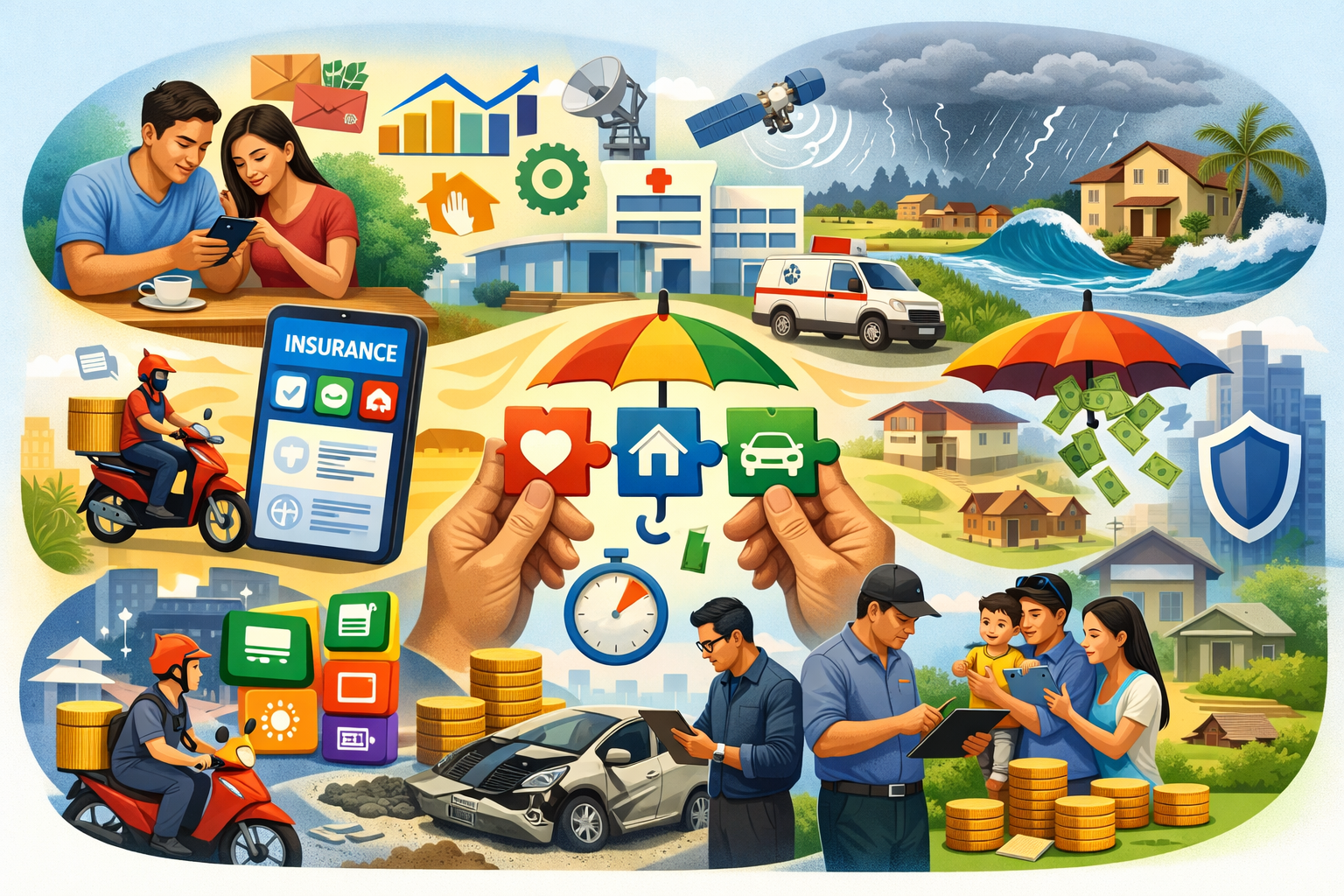
Digital payments also serve as a gateway for broader financial services. For example, microloans, insurance products, and savings accounts are now more accessible to Filipinos who may have previously been excluded from traditional banking. These services help individuals improve their financial stability and pave the way for economic empowerment.
As the digital payment ecosystem in the Philippines continues to expand, more Filipinos will gain access to essential financial services. This progress will not only promote financial inclusion but will also contribute to the country’s broader economic development.