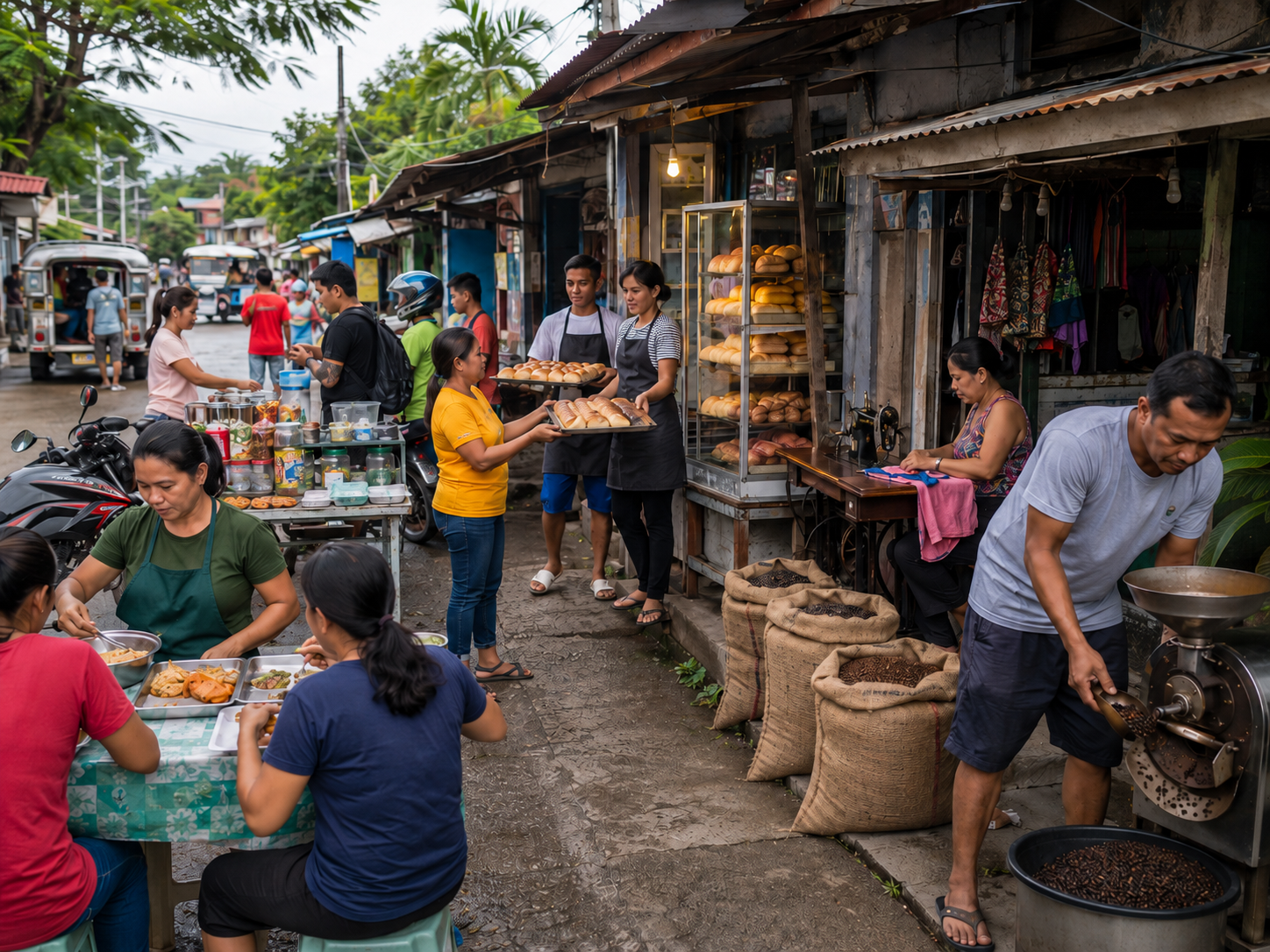
Small and medium-sized enterprises (SMEs) in the Philippines are increasingly central to the development of local infrastructure. Beyond their economic contributions, SMEs significantly influence the construction, enhancement, and maintenance of facilities that underpin community well-being and commercial activity. From urban centers to rural towns, their involvement ensures infrastructure evolves in line with local demands.
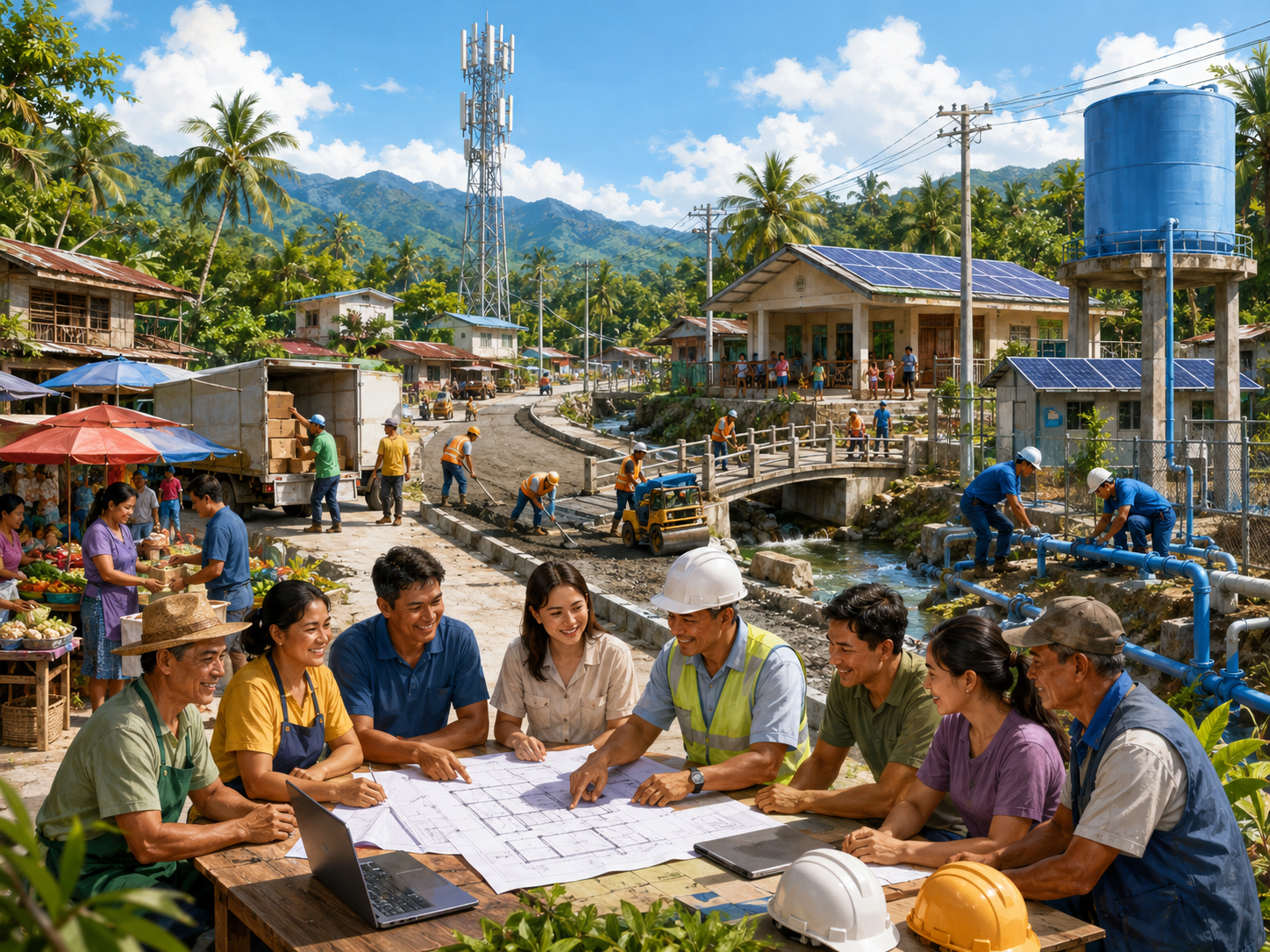
SMEs often initiate or support infrastructure projects through partnerships with local governments. These collaborations can involve anything from constructing access roads and transport hubs to installing energy systems or community centers. SMEs bring agility and local knowledge to these projects, often executing them faster and more efficiently than larger corporations. In rural areas, SMEs frequently address infrastructure gaps by developing small-scale utilities or transportation solutions tailored to local needs.
The economic growth generated by SMEs also stimulates infrastructure improvement. As businesses expand, their operational requirements drive upgrades to roads, power grids, water supply, and digital connectivity. For instance, a network of small retailers may push for improved road conditions to facilitate logistics, or small tech startups may demand faster internet infrastructure. In this way, SMEs indirectly incentivize municipal authorities to prioritize infrastructure investments, creating a positive feedback loop between commerce and community development.
Innovation is a hallmark of SME involvement in infrastructure. When resources are limited, SMEs implement cost-effective, context-specific solutions such as modular buildings, solar energy systems, and compact water treatment plants. These approaches are particularly relevant in remote or underdeveloped regions where conventional infrastructure projects are financially or technically impractical.
Financial contributions from SMEs also bolster local development. Through corporate social responsibility programs, many small businesses fund infrastructure projects like public spaces, local roads, and sanitation facilities. These investments improve quality of life, foster community engagement, and create an environment conducive to further economic activity. The dual benefit strengthens both the social and commercial fabric of communities.
Moreover, SMEs act as advocates for inclusive infrastructure planning. By actively participating in local decision-making, they ensure that projects reflect the needs of residents and small businesses alike. This engagement prevents one-size-fits-all approaches and helps authorities implement infrastructure that serves economic, social, and environmental goals simultaneously.
Overall, SMEs in the Philippines serve as both drivers and enablers of local infrastructure development. Through collaboration, economic stimulation, innovation, financial support, and advocacy, small enterprises help build communities that are resilient, connected, and ready to support ongoing growth.