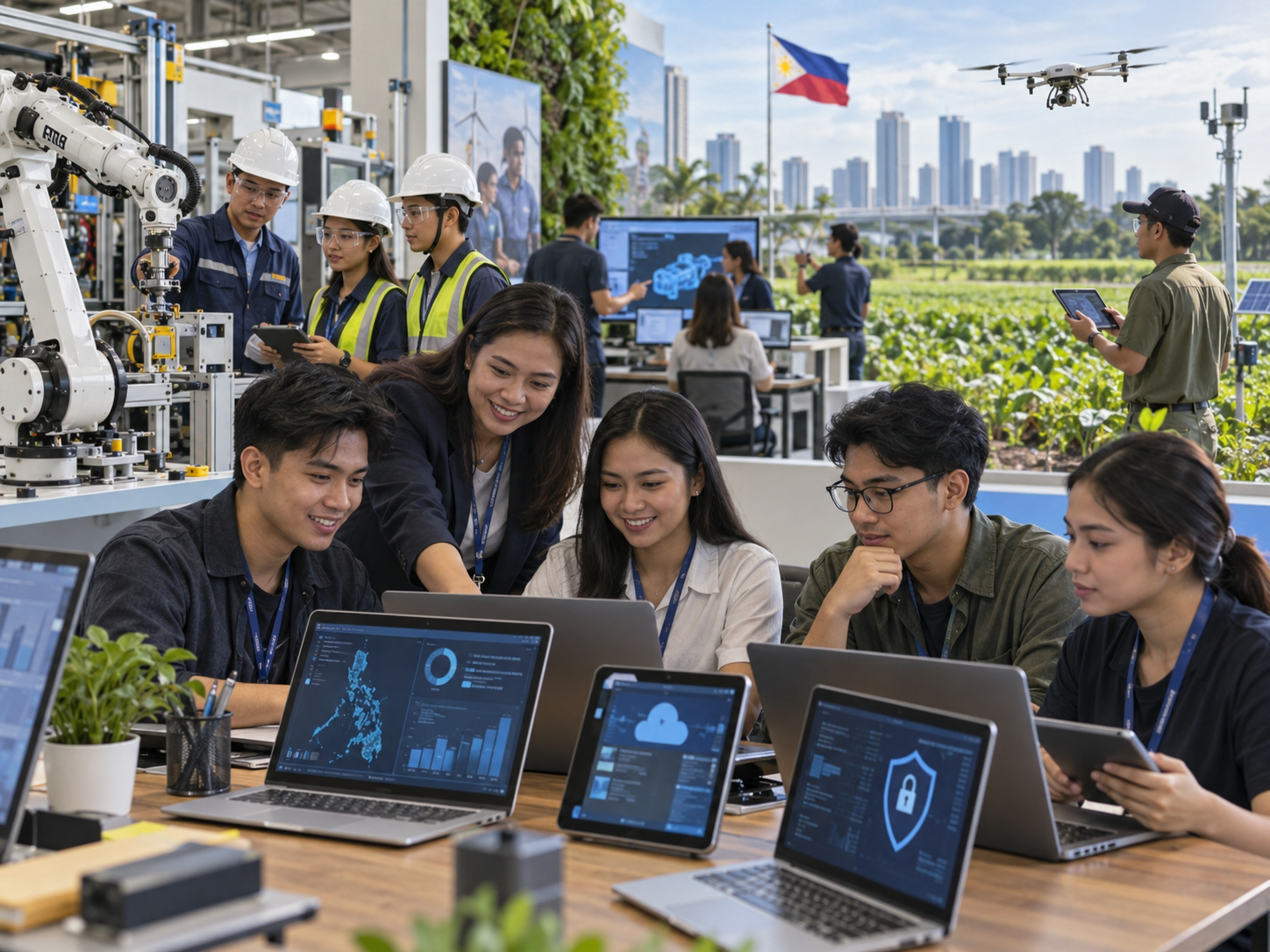
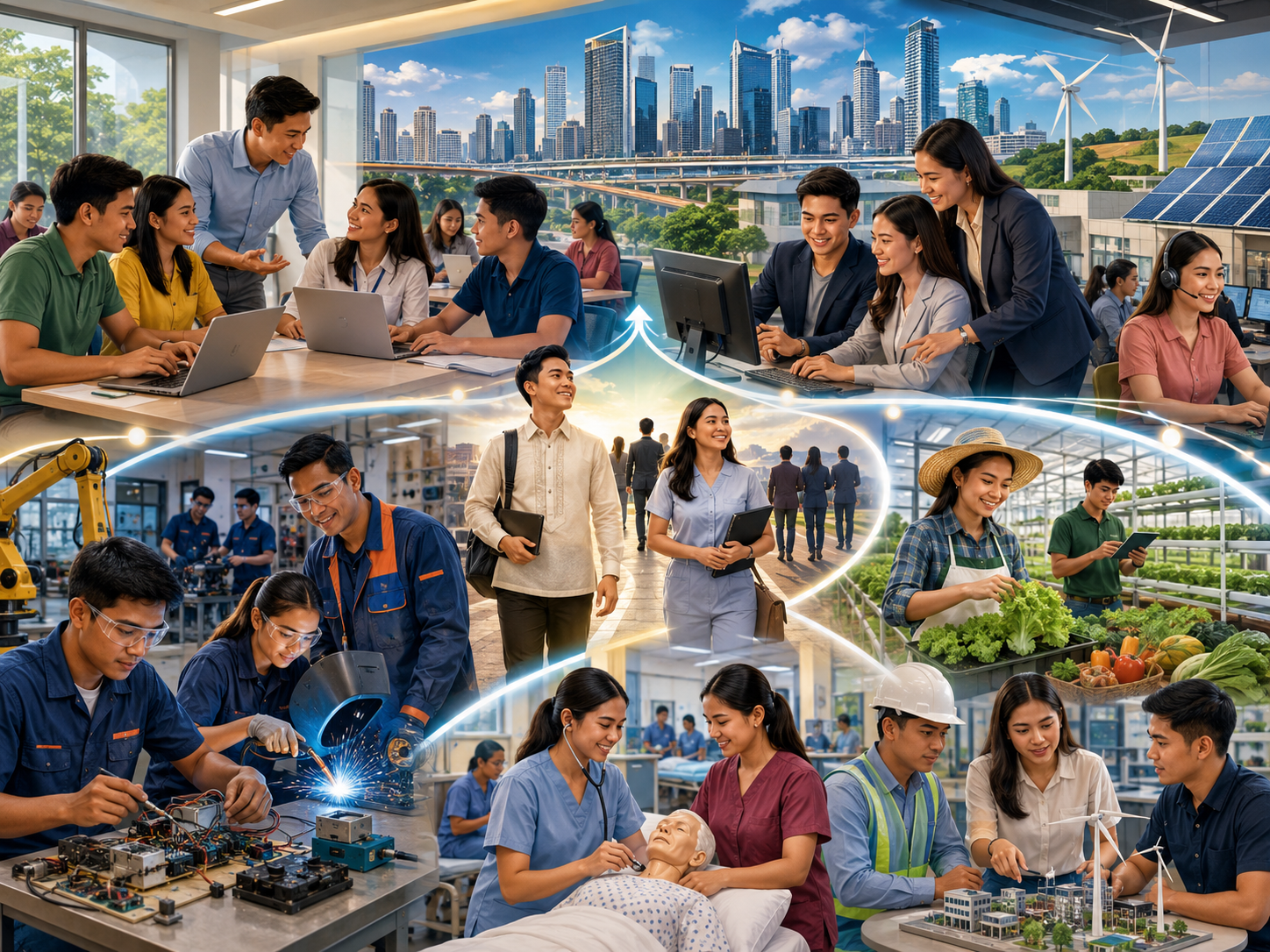
The Philippines has a young and dynamic population, which can become a major advantage if workers are equipped with the right skills. However, demographic potential alone is not enough. As workplaces change due to digital technology, global supply chains, automation, and new consumer demands, education must become more closely connected to industry. Collaboration between businesses and schools is one of the most effective ways to prepare Filipinos for the jobs of the future.
Many employers in the Philippines look for applicants who can do more than meet academic requirements. They need workers who can operate digital tools, communicate clearly, analyze information, serve customers well, and adapt to different tasks. Some graduates struggle because their training has not fully matched real workplace conditions. This does not mean that education has failed; rather, it shows that schools need stronger and more consistent industry engagement. When companies share their knowledge with educators, learning becomes more aligned with employment realities.
Business participation can begin with curriculum development. Companies can inform schools about the skills currently in demand and those likely to become important in the coming years. For example, the continued growth of the IT-BPM sector creates demand for skills in customer service, business analytics, software support, cybersecurity, and process management. The expansion of e-commerce and logistics increases the need for digital marketing, warehouse systems, inventory control, and last-mile delivery management. Meanwhile, green industries require knowledge of energy efficiency, environmental compliance, and sustainable operations.
Practical training is equally important. Students need opportunities to apply what they learn in actual workplaces. Internships, apprenticeships, cooperative education, and industry immersion programs can make this possible. These experiences allow learners to build confidence and understand professional behavior. They also help students make better career choices because they see the realities of different occupations before fully entering the workforce.
Companies can also help improve the quality of teaching. Teachers and trainers need exposure to modern industry practices, especially in fields where technology changes quickly. Faculty immersion programs, industry-led workshops, and professional certification opportunities can help educators stay updated. When teachers understand current workplace tools and processes, they can make classroom instruction more relevant and engaging.
Partnerships should not only focus on large universities in Metro Manila or other major urban centers. Provincial schools, community colleges, and technical-vocational institutions also need access to industry connections. Local businesses can play an important role by supporting training programs related to regional economic strengths. For example, agricultural provinces can benefit from partnerships in food processing, farm mechanization, and agribusiness. Tourism areas can strengthen hospitality, language, and service training. Industrial zones can work with nearby schools to prepare technicians, machine operators, and quality assurance staff.
The private sector gains real advantages from these efforts. By helping train students, companies create a stronger talent pipeline and reduce the cost of retraining new hires. They also build goodwill in communities and contribute to inclusive growth. For students, the benefits include clearer career pathways, stronger employability, and greater awareness of workplace expectations.
A future-ready workforce in the Philippines requires shared commitment. Government agencies, schools, businesses, and communities must work together to create flexible, practical, and inclusive learning systems. When education and industry are connected, Filipino workers can be better prepared for local opportunities, overseas employment, entrepreneurship, and emerging careers that have not yet fully taken shape.