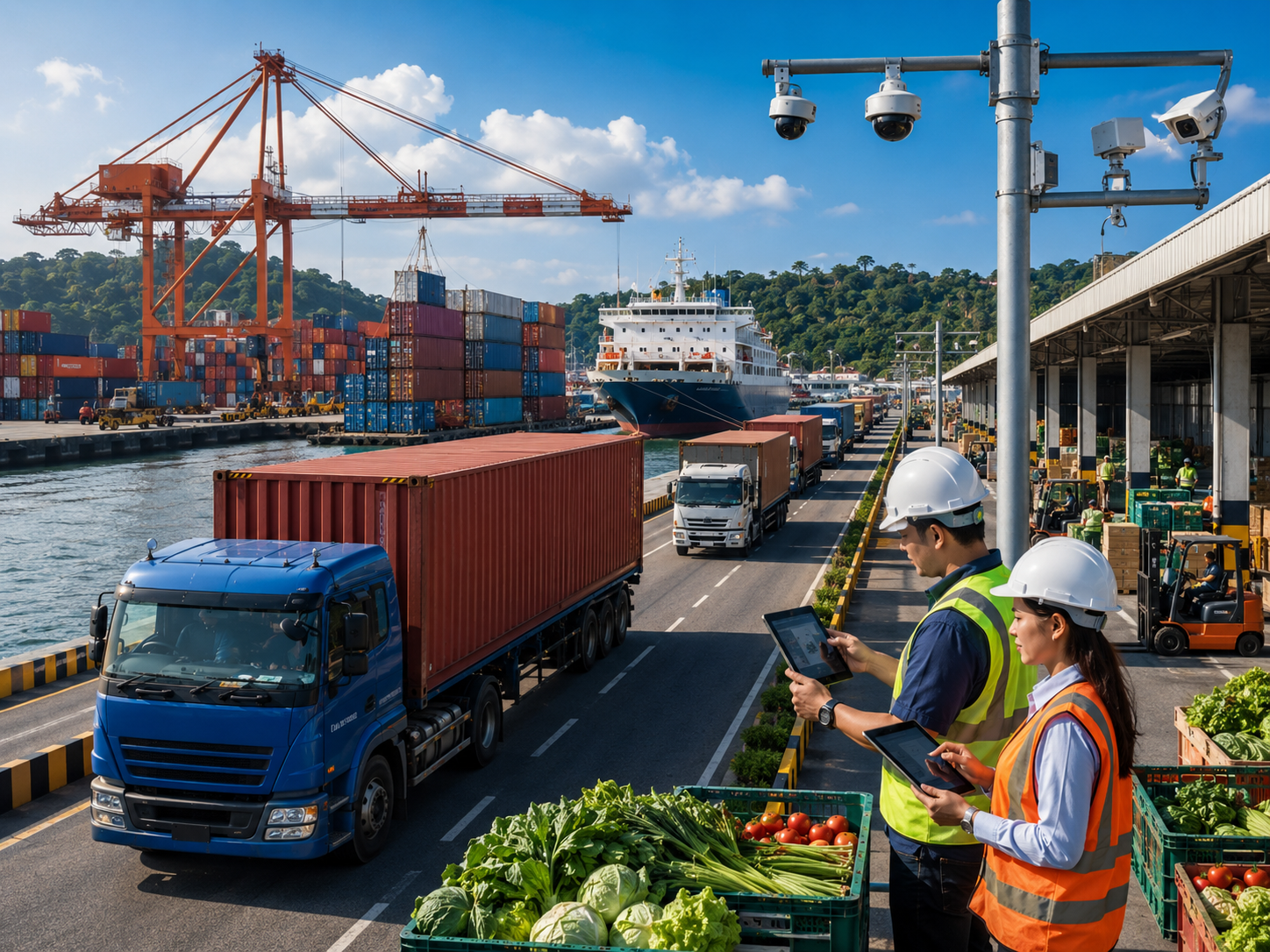
A quiet but decisive technological revolution is sweeping the Philippine transport and logistics sector. In a landscape historically dominated by manual processes and diesel-guzzling trucks, the year 2026 has become a showcase for how legacy conglomerates and nimble startups are merging digitalization with sustainability. This pivot is not merely a public relations exercise; it is a strategic imperative driven by fuel price volatility, stricter environmental norms, and client demands for transparency.
Legacy Players Turn to Digital Muscle
2GO Group, the country’s largest integrated supply chain company, is at the forefront of this modernization. Beyond its physical fleet expansion, 2GO has invested heavily in a unified digital logistics platform that allows enterprise clients to book, track, and manage multimodal shipments across sea, air, and land in a single dashboard. This digital integration reduces the paperwork errors and delay gaps that typically plague inter-island transfers. Chelsea Logistics has similarly been upgrading its vessel tracking systems, integrating satellite-based AIS technology to give shippers real-time visibility on cargo moving through the typhoon-prone Philippine waters.
The Electric Avenue of Last Mile
The most visible shift is occurring on the last mile, where the roar of diesel engines is slowly being replaced by the hum of electric motors. Mober, a startup that began as a simple app-based mover, has evolved into the country’s premier green logistics provider. In early 2026, it secured significant investment to triple its fleet of electric vans and trucks, exclusively handling deliveries for partners like IKEA Philippines. This commitment has forced competitors to explore hybrid and electric models. Mober’s success proves that in a dense city like Metro Manila—with its chronic pollution and stop-and-go traffic—EV logistics can achieve a lower total cost of ownership while aligning with the global ESG requirements of multinational clients.
AI and Platforms Democratizing Freight
Digitization has also democratized access to logistics capacity. Platforms like Transportify and Lalamove have embedded artificial intelligence into their routing algorithms, effectively matching small shippers with thousands of truckers in real time. This “Uberization” of freight eliminates empty backhauls—a massive source of inefficiency and carbon waste. In warehousing, smart management systems utilizing the Internet of Things (IoT) are allowing cold chain specialists like Royal Cargo to monitor vaccine and food temperatures passively, triggering automatic alerts before spoilage occurs.
Challenges in the Tech Transition
Despite the momentum, the sector remains bifurcated. Many small and medium-sized trucking firms, which form the backbone of rural distribution, still rely on telephone calls and manual ledgers. The high cost of importing EVs and the lack of a nationwide charging network also cap the speed of green adoption. Nonetheless, the trajectory set by 2026’s industry leaders is unmistakable: survival in Philippine logistics now depends on a company’s ability to offer a dashboard as compelling as its delivery speed, powered by a fleet that’s as clean as it is reliable.