
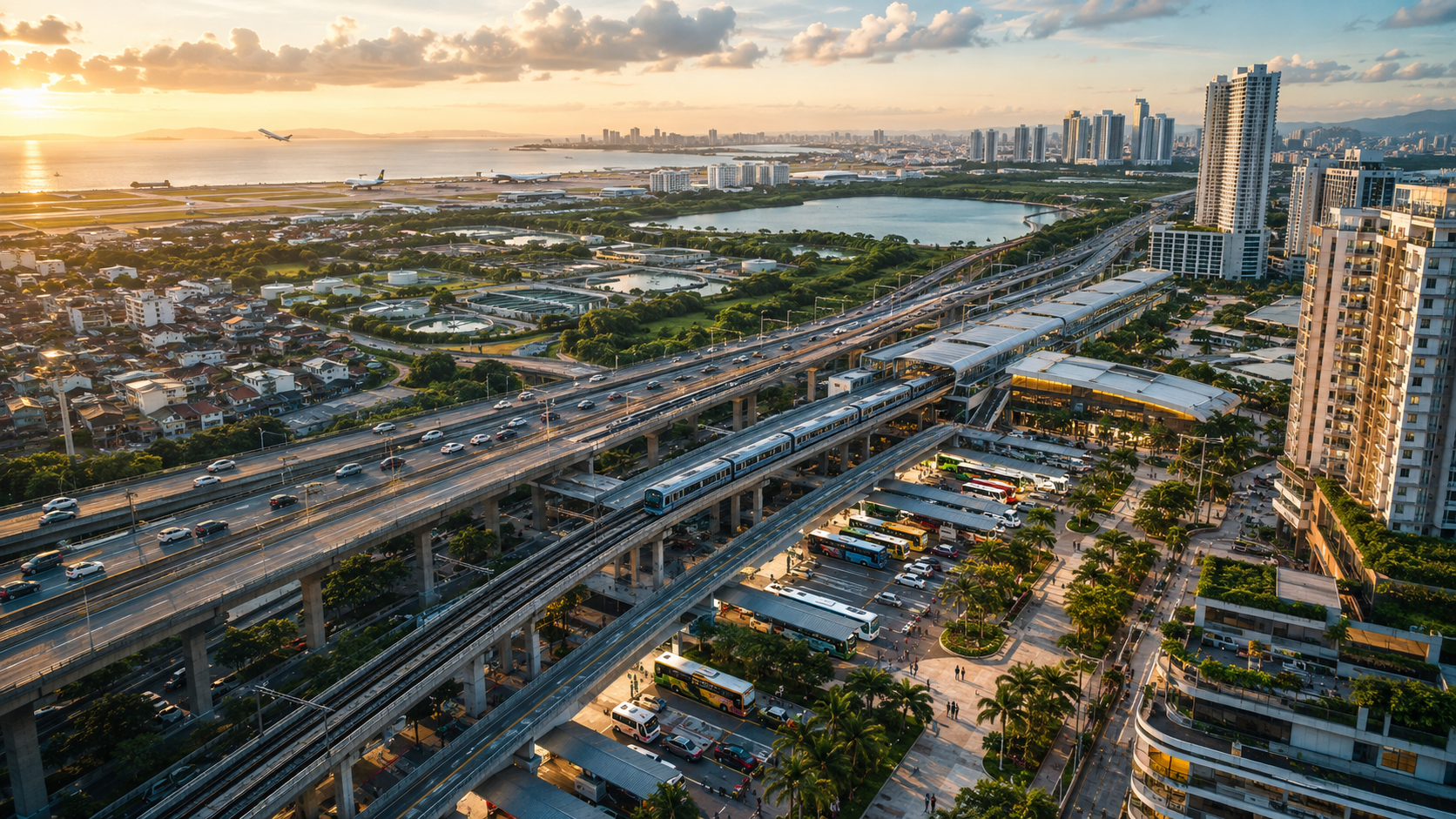
Philippine cities are caught in a race between population growth and the capacity of roads, rails, and pipes. The response has been an unprecedented wave of infrastructure construction, overwhelmingly powered by the private sector. Five diversified business groups have emerged as the principal forces behind this transformation, using their financial muscle and operational expertise to deliver projects that address decades-old urban bottlenecks.
The Partnership Formula
The government’s infrastructure agenda has shifted markedly toward private participation. A mid-2026 report from the PPP Center indicates that 40 concession agreements are under various stages of procurement and implementation, covering transport, water, and digital infrastructure (https://ppp.gov.ph/). This formula allows the state to share risks while tapping corporate efficiency. In return, companies gain long-term revenue streams and the ability to shape the geography of growth.
San Miguel Corporation: The Elevator of Mega Manila
SMC Infrastructure has built a vertically layered mobility solution. The elevated Skyway System, combined with the NAIA Expressway and the Southern Tagalog Arterial Road, creates a rapid cross-city axis. The MRT-7 project, which includes a 22-kilometre rail line and an integrated road component, will serve nearly 500,000 passengers daily once fully operational. The Bulacan airport, accessible via its own toll road, is triggering an economic cascade in Central Luzon, converting agricultural land into aeronautical, logistics, and residential zones. SMC’s approach is unapologetically ambitious: build at a scale that rewires regional movement.
Ayala Corporation: Curating Complete Urban Communities
Ayala’s infrastructure projects are inseparable from its township developments. The LRT-1 Cavite Extension is effectively a spine for Ayala Land’s sprawling communities in the south, making rail-based commuting a lifestyle feature rather than a necessity of last resort. Manila Water’s sewage and used-water networks, including major treatment plants, help rehabilitate rivers and esteros, contributing to urban flood management. The group’s toll road in Cebu, CCLEX, directly feeds into Ayala’s Cebu Business Park, connecting the economic core to Mactan’s airport and beach tourism zones. This curated model produces urban districts that are attractive to both residents and multinational locators.
Metro Pacific: The Arterial Lifeblood of Urban Corridors
MPTC’s tollways serve as the primary arteries of the Greater Manila Area. The Connector Road linking NLEX to the Skyway will deliver a seamless elevated freight route from the Port of Manila to Clark, drastically cutting logistics costs. CALAX, by weaving through Cavite and Laguna, is turning former sugar plantations into middle-class subdivisions and industrial parks. MPIC’s water utility, Maynilad, is expanding its network to provide potable water to informal settlements through community-level piped-in programs, an inclusive approach that boosts public health and urban stability.
Megawide: Precision Engineering for Urban Nodes
Megawide’s construction DNA is visible in landmarks like Mactan-Cebu International Airport, where local materials and passive cooling design reduce operating costs. PITX, built as a public-private partnership, systematises bus dispatch, electronic ticketing, and retail concessions, offering a replicable template for Metro Manila’s sprawling bus system. In the education sector, Megawide’s modular classrooms are being deployed in dense urban barangays to relieve classroom shortages, linking social infrastructure to physical urban development.
Aboitiz InfraCapital: The Intelligent Infrastructure Platform
Aboitiz InfraCapital focuses on infrastructure that embeds technology and sustainability. Laguindingan Airport’s digital remote tower and smart energy systems exemplify a capital-light modernisation path. The company’s water businesses, such as Apo Agua in Davao, utilise gravity-fed raw water conveyance and in-pipe turbine generation, achieving both reliability and low carbon footprint. AIC’s West Cebu Estate and LIMA Estate in Batangas operate internal smart grids that reduce tenant energy costs, making them magnets for export-oriented industries. This technology-forward stance positions AIC as a key player in the government’s smart city roadmap.
The PPP Center’s 2026 data confirms that private investment in urban infrastructure is accelerating, with a 12 percent increase in project commitments compared to the previous year. Each conglomerate’s portfolio contributes to a collective re-engineering of urban life, making Philippine cities more connected, habitable, and competitive on the global stage.