Fueling Innovation Through Strategic Investment
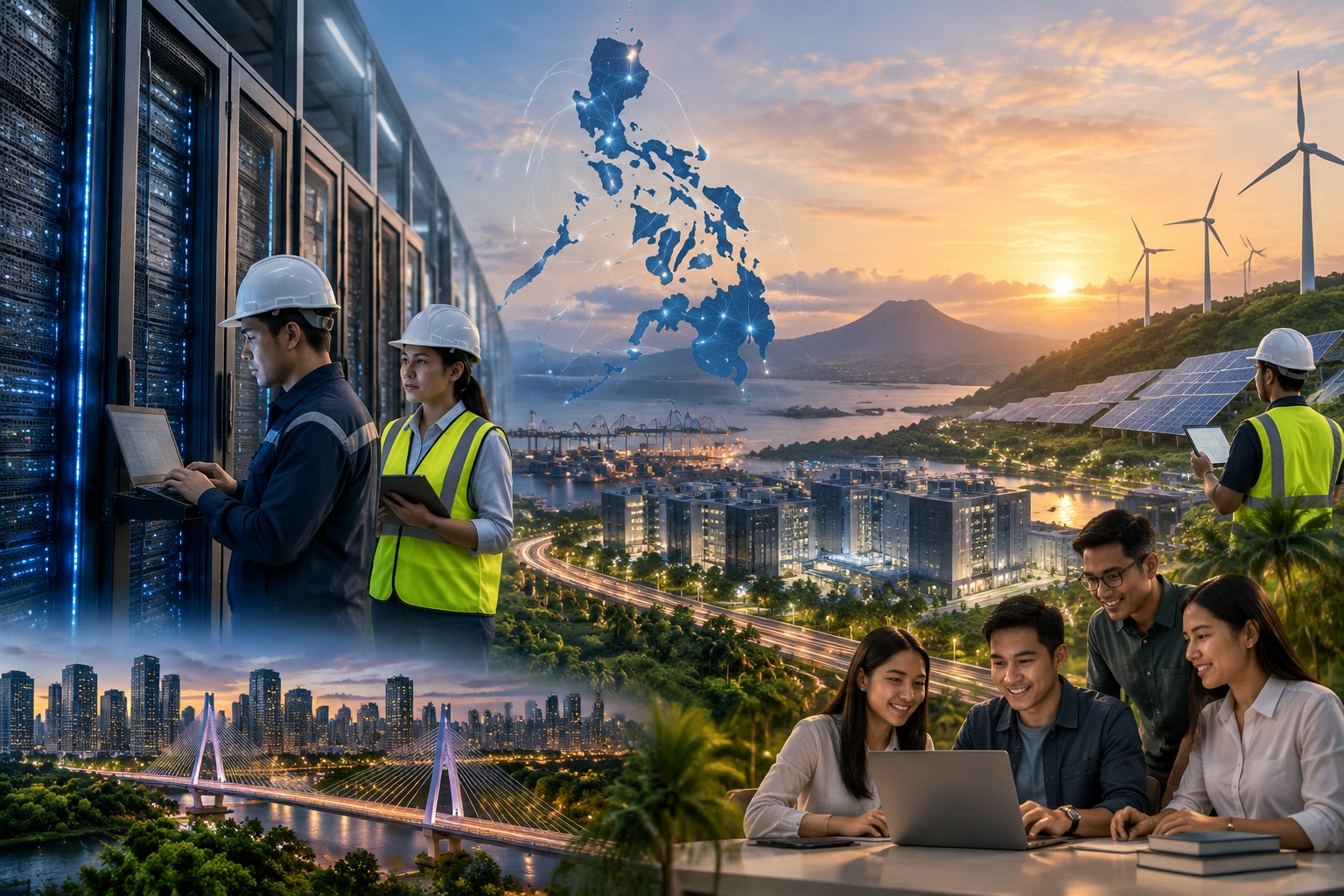
The Philippine government is making unprecedented investments in science, technology, and innovation to prepare its workforce for an AI-driven future. The proposed 2026 national budget includes a P30.4-billion allocation for the Department of Science and Technology (DOST), with P3.9 billion directed to DOST’s research and development institutes. This funding supports research and technology utilization in industrial manufacturing, mineral processing, energy, and other critical sectors, positioning the Philippines as a rising innovation economy in Southeast Asia.
DOST’s Big Ticket R&D Projects
In September 2026, DOST formally launched four new Research and Development projects in partnership with the University of Mindanao, supporting four DOST Big Ticket R&D Projects with a combined funding of approximately P154 million. The projects—TRANSFORMEE, REESieve, ERASE, and Cafemicroguard—target critical sectors including agriculture, mining, waste management, and industrial development. TRANSFORMEE focuses on recycling fruit and vegetable waste into natural coloring materials, while REESieve seeks to recover critical metals and minerals from mine tailings. ERASE aims to develop microbial-based methods for removing heavy metals from mine wastewater, promoting cleaner water and more responsible mining practices.
Government Grants Turning Ideas into Innovations
Dr. Angelo Baniares, lead researcher for TRANSFORMEE, emphasized the importance of government research grants in turning scientific ideas into practical innovations. “Funding provides researchers with the equipment, laboratory materials, supplies, and personnel needed to carry out their studies,” he noted. DOST Secretary Renato U. Solidum Jr. added that the initiatives are expected to contribute to economic growth by supporting local industries, promoting resource efficiency, reducing waste, and developing solutions to challenges faced by Filipino communities.
AI Literacy as a Life Skill
Project AGAP.AI
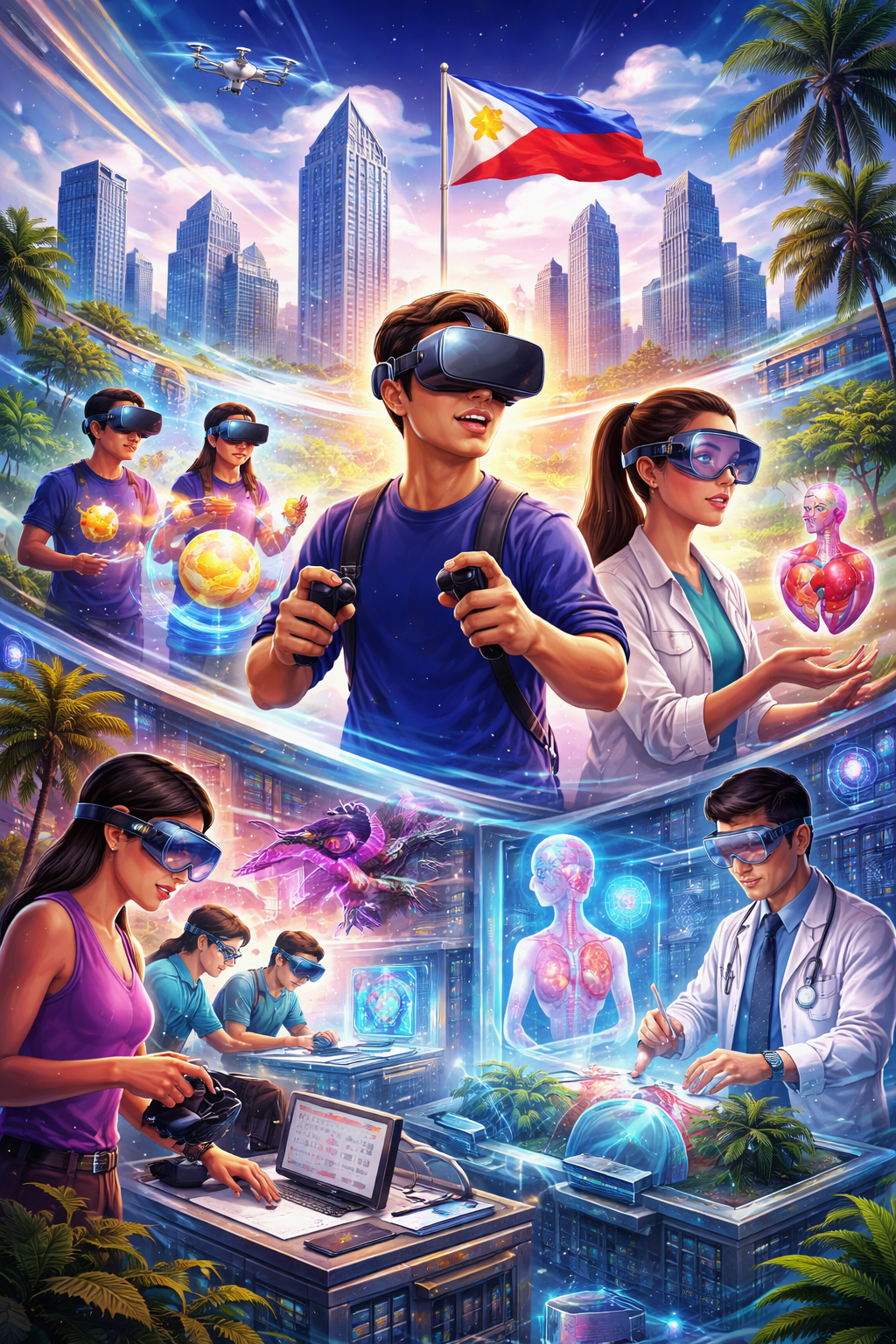
President Ferdinand R. Marcos Jr. and Education Secretary Sonny Angara launched Project AGAP.AI in January 2026, positioning artificial intelligence literacy as a life skill for Filipino students. The program aims to make AI a practical, safe, and empowering tool in basic education by helping students, teachers, parents, and school leaders understand how AI works and should be used responsibly. The initiative will be rolled out gradually starting in 2026, focusing on providing schools with clear guidance, training, and safeguards as AI becomes more present in classrooms.
Nationwide Training and Capacity Building
Throughout 2026, the Department of Education will conduct a nationwide training program called AI Ready ASEAN Philippines, designed to reach learners, educators, and parents. The program introduces AI in accessible terms, covering basic concepts, classroom applications, ethical use, data privacy, and risks of misinformation—key concerns as young people increasingly engage with digital platforms. DepEd will also issue Foundational Guidelines on the Integration of Artificial Intelligence in Basic Education, outlining standards for ethical use, learner protection, and fair access across schools.
The Human-Centered Approach
President Marcos emphasized that technology cannot replace core human qualities. “You have in your hands an extraordinarily powerful tool. But you must use it to help you think and support your learning. It should never replace your drive, your creativity, and grit to learn about our world,” he stated during the launch. This human-centered approach reflects the government’s commitment to ensuring that AI adoption strengthens—rather than replaces—human judgment and creativity.
Building a Future-Ready Workforce
The Philippine Skills Framework for Analytics and AI
The Department of Labor and Employment has highlighted the Philippine Skills Framework for Analytics and AI, which identifies the skills and competencies needed for AI-related jobs. Labor Secretary Francis N. Tolentino emphasized that the AI transition must be fair and inclusive, especially for older workers. The framework provides a roadmap for workers to acquire the skills needed to thrive in an AI-enabled economy.
Reskilling for the Digital Economy
The DOST and DepEd initiatives complement broader government efforts to reskill the workforce. The Philippine AI+ Infrastructure Masterplan includes reskilling programs targeting 1.3 million members of the IT-BPM workforce for AI-enabled services. Additionally, the government has developed a roadmap for the Global Accelerator on Jobs and Social Protection for Just Transitions, a strategic national framework aimed at accelerating job creation and preparing workers and industries for technological and environmental shifts.
Aligned with ASEAN’s Digital Vision
These initiatives align with the Bagong Pilipinas agenda and ASEAN’s long-term digital vision. By investing in R&D, AI literacy, and workforce development, the Philippines is ensuring that young Filipinos become not just technology users but informed citizens capable of shaping how technology serves society.