
The Philippines Catching Up
The Philippine REIT reform of 2026 marks a serious effort by the country to catch up with other Southeast Asian jurisdictions that have already adopted infrastructure REITs. Singapore, for example, has long allowed REITs to own infrastructure assets such as utility facilities and data centers. Malaysia has also expanded its REIT coverage to non-property assets. With SEC Memorandum Circular No. 1, Series of 2026, the Philippines is now aligning its regulatory framework with international best practices.
The SEC noted that expanding the definition of income-generating property and allowing the use of SPVs and unlisted joint ventures is consistent with global practice. This step is important to attract foreign capital that may have been reluctant to enter the Philippine market due to limited asset choices.
The Philippines’ Competitive Appeal
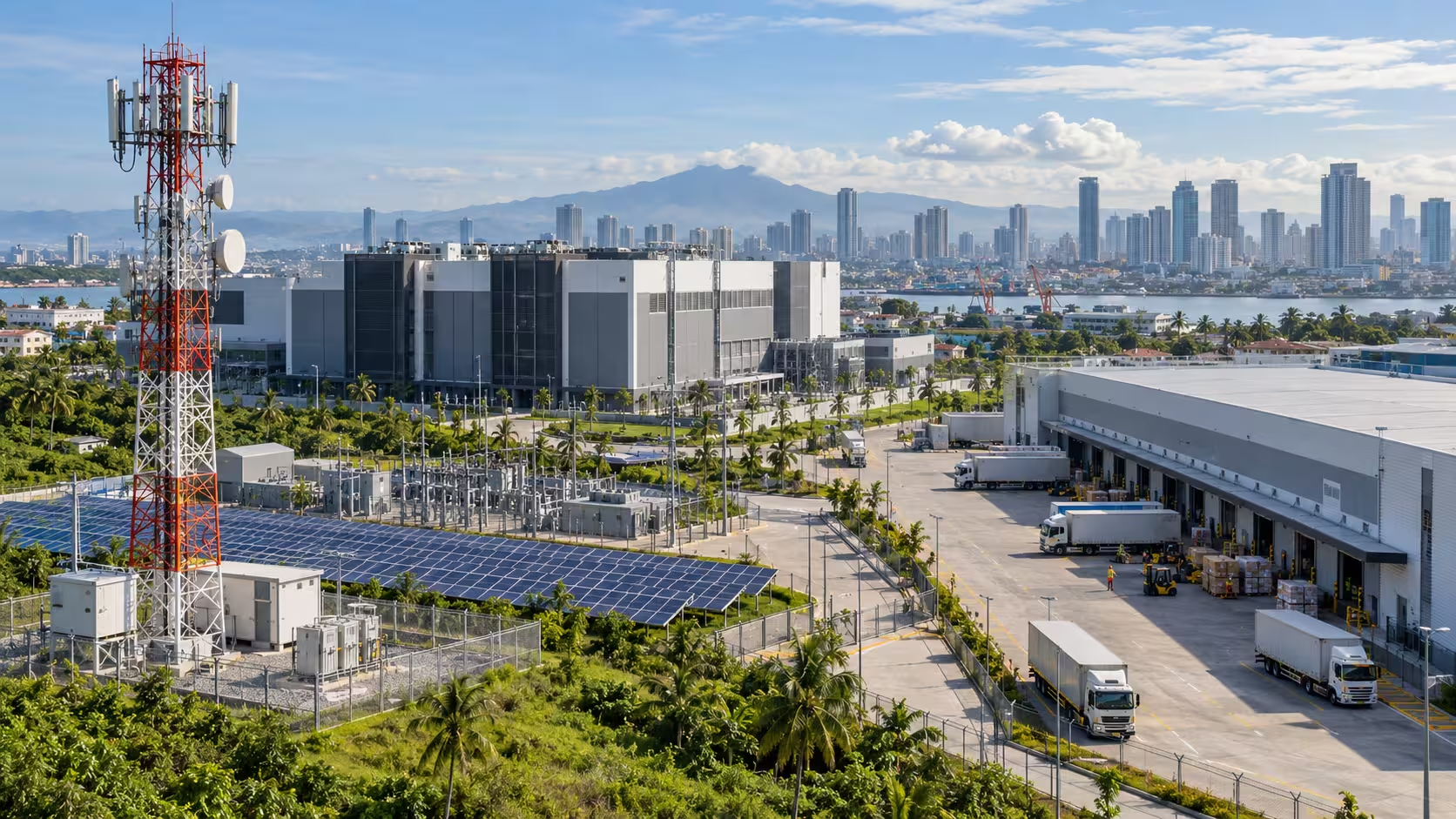
What makes the Philippines stand out compared to its neighbors? One factor is the large domestic market and urgent infrastructure needs. With a population of more than 110 million and a steadily growing economy, demand for digital, energy, and transportation infrastructure is very high. Data centers, for instance, are becoming increasingly critical as cloud and AI adoption expands. PLDT, through Vitro REIT, plans to raise up to ₱24.2 billion for eight data centers with 24 megawatts of capacity.
In addition, a more accommodative interest rate environment provides an extra advantage. The BSP has cut rates by 200 basis points since August 2024, and further cuts remain possible. In such an environment, REITs become more attractive to issuers because they do not need to offer very high dividend yields to compete with fixed-income instruments.
Challenges That Still Loom
Despite the bright prospects, this reform is not without challenges. Monzon from the PSE noted that the current high interest rate environment could slow the pace of new REIT listings because investors can take advantage of competitive yields from alternative assets such as preferred shares. However, with the continued downward trend in interest rates, this obstacle is expected to diminish.
Another challenge is the need for investor education. Infrastructure REITs have different risk profiles from traditional property REITs, and investors need to understand factors such as regulatory risk, traffic volume risk, and technology obsolescence. Regulators and market participants are working to address this through forums and disclosures.