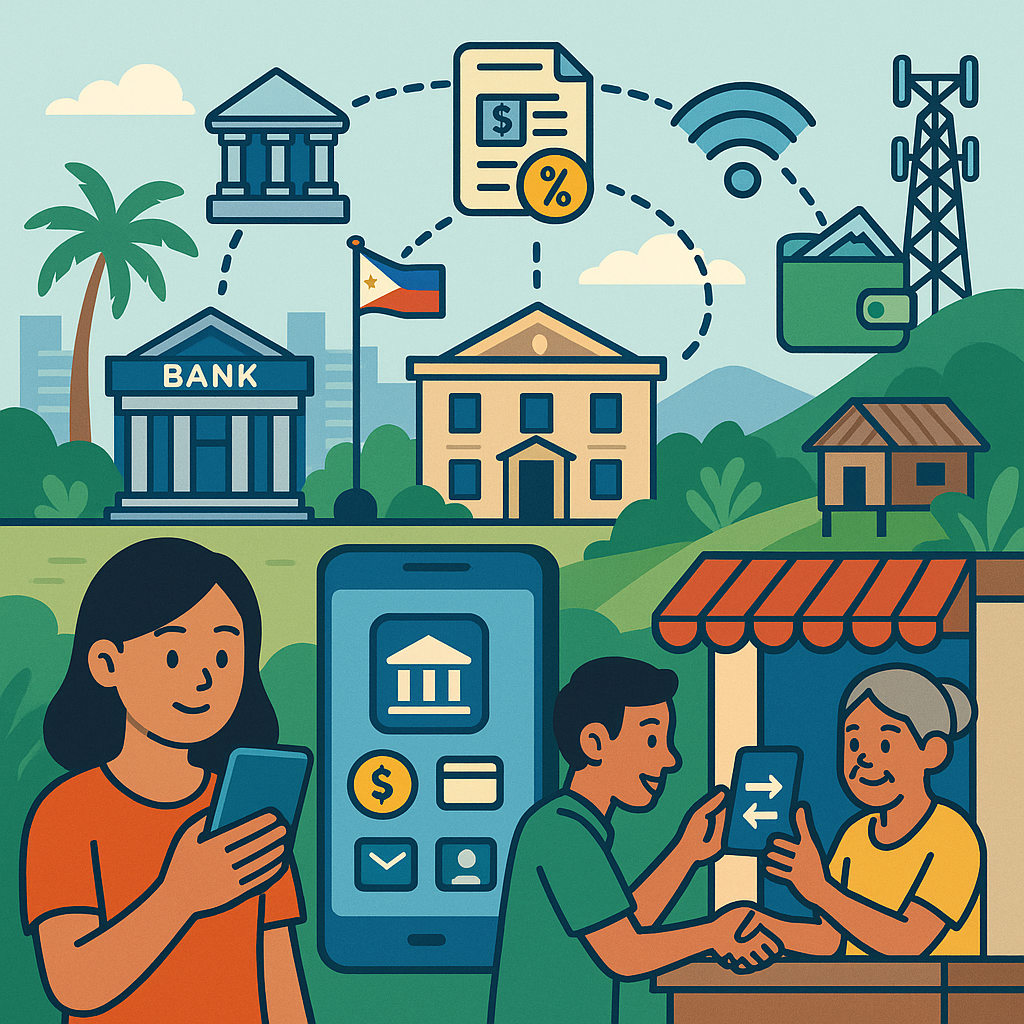
Fintech in the Philippines is driving a fundamental shift in the way financial services are delivered and consumed. From mobile wallets to digital lending platforms, fintech solutions are increasing financial access and improving the overall efficiency of the financial sector. This transformation is not only empowering individuals but also benefiting businesses, contributing to the country’s economic growth.
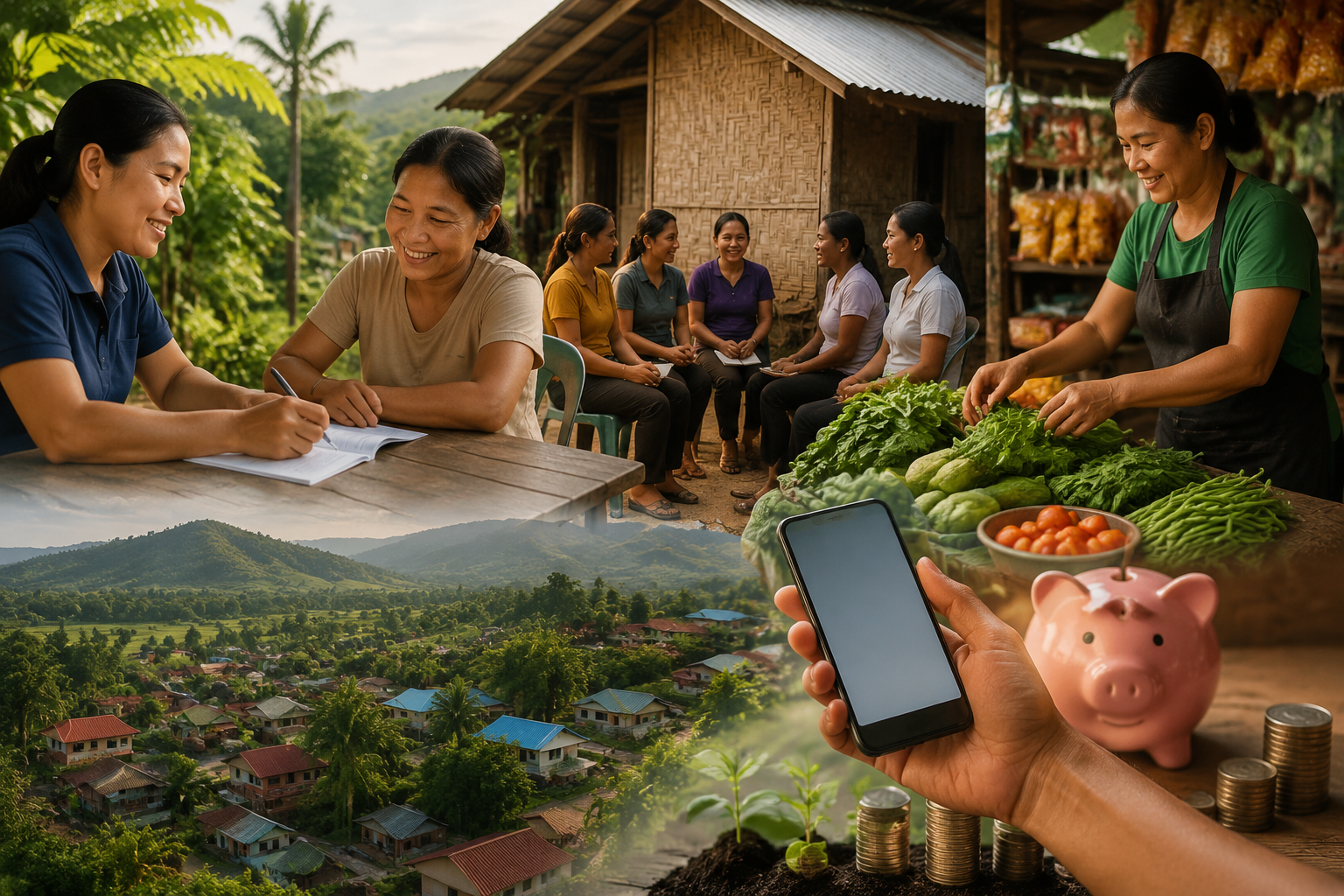
The Philippines has long faced challenges with financial inclusion. A significant percentage of Filipinos do not have access to traditional banking services, particularly in rural areas where the infrastructure for brick-and-mortar banks is limited. This has created a pressing need for digital financial services that can reach underserved populations.
Companies like GCash have emerged as major players in addressing this issue. GCash is a mobile wallet that allows users to transfer money, pay bills, and even invest in mutual funds—all through their smartphones. With over 40 million registered users as of 2021, GCash has expanded its reach to include individuals from various socioeconomic backgrounds, particularly those who live in areas where traditional banks are scarce.
Similarly, PayMaya has carved out a niche in providing cashless payment solutions. The platform enables users to make payments, transfer money, and top up their mobile phone credits without needing a bank account. PayMaya has also partnered with major retailers, allowing for easy online purchases and in-store payments, further promoting a cashless society in the Philippines.
The rise of peer-to-peer (P2P) lending platforms is another important aspect of fintech growth in the country. Platforms such as Tala offer quick, small loans to people without the need for a formal credit history. This is especially important in the Philippines, where traditional lending institutions often overlook low-income individuals and small businesses. These digital platforms use alternative data, such as social media activity and transaction history, to evaluate creditworthiness, offering more personalized financial products.
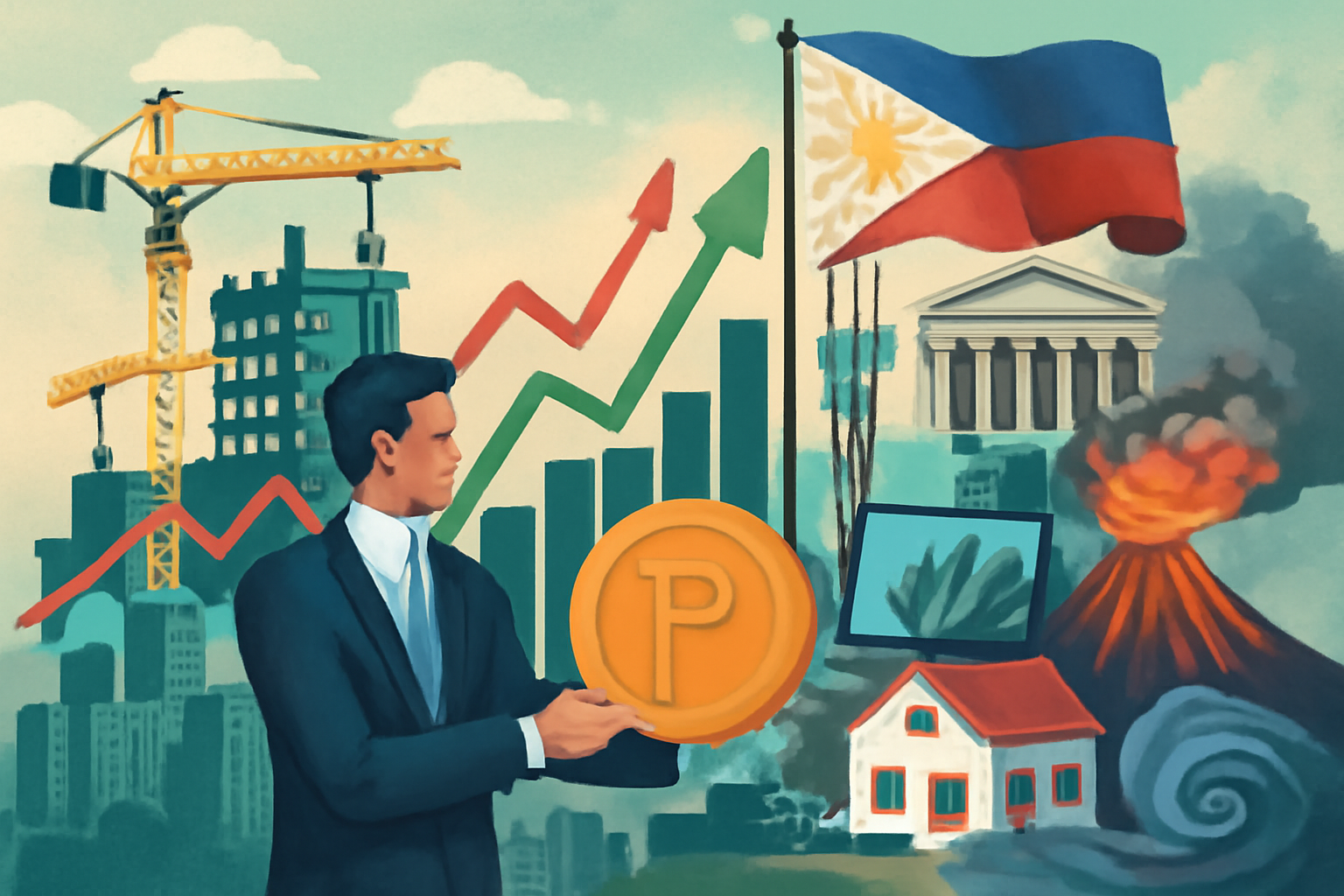
The Philippine government, through the Bangko Sentral ng Pilipinas (BSP), has been a key supporter of fintech growth. The BSP’s regulatory initiatives have played a crucial role in ensuring the safety and security of digital financial transactions, fostering consumer confidence in fintech products. The government’s push for a cashless society is also reflected in its National Retail Payment System (NRPS), which encourages the development of secure, efficient digital payment systems.
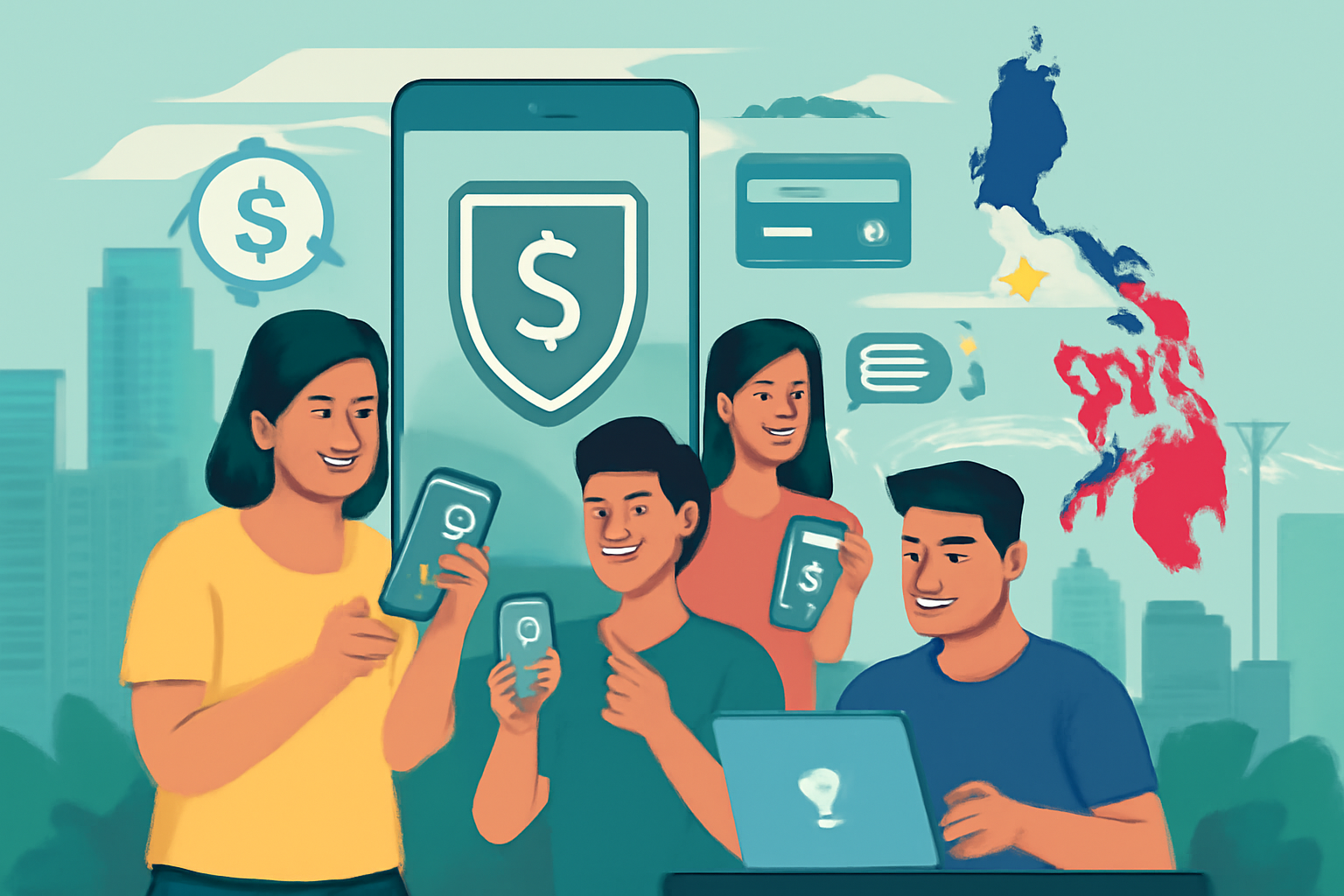
As the Philippines continues to embrace fintech, the future looks bright. The ongoing efforts to promote financial literacy, improve digital infrastructure, and enhance cybersecurity will ensure that fintech remains a key driver of economic progress and financial inclusion.