
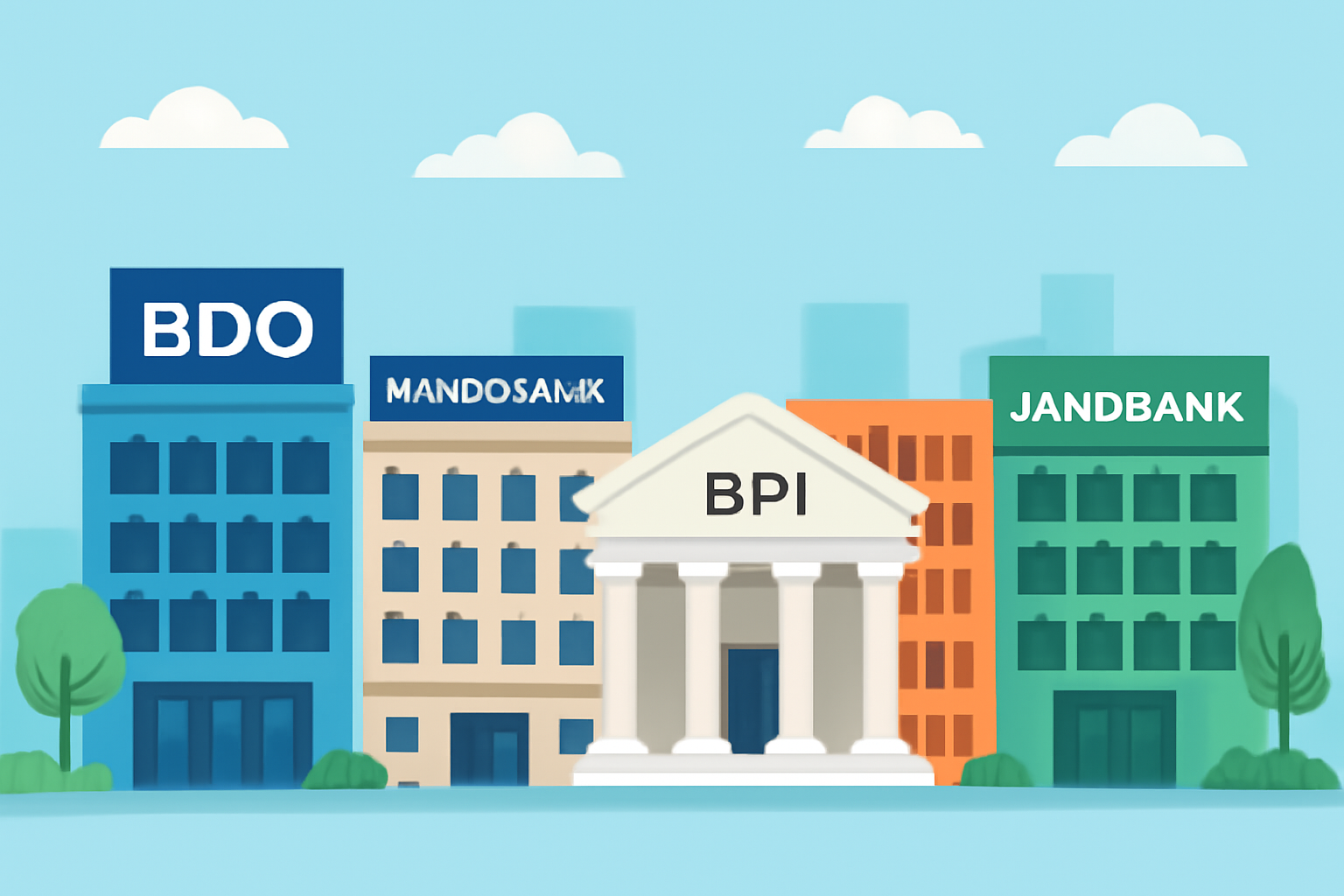
The Philippine banking sector is known for its stability and innovation, with several banks standing out due to their size, reputation, and contributions to the country’s financial landscape. The largest financial institutions in the Philippines continue to grow by focusing on technological advancements, customer-centric strategies, and market expansion.
BDO Unibank is undeniably the largest bank in the Philippines by assets, with a diverse range of services including savings and checking accounts, business loans, and investment products. BDO’s strategy to remain a market leader revolves around enhancing its digital offerings and investing in infrastructure. The bank continues to expand its network of ATMs, branches, and online services to cater to a wide demographic of customers. Their expansion into retail services has been vital in attracting a broader range of clientele, from everyday consumers to large corporations.
Metrobank stands as one of the most prominent banks in the Philippines due to its robust portfolio and reputation for reliability. The bank’s strategy has centered around diversification and technology integration. Metrobank focuses heavily on expanding its loan products and credit offerings to a broader audience, while also embracing digital banking tools to improve customer engagement. The bank’s growth has been propelled by its focus on both retail and corporate clients, offering tailored products that suit the evolving needs of businesses and individuals.
Bank of the Philippine Islands (BPI) has a strong presence in both retail and corporate banking. As one of the oldest and most established banks, BPI focuses on expanding its reach through its online banking platform. With a comprehensive range of services aimed at individuals, businesses, and government entities, BPI’s strategy has been to continuously evolve its offerings by incorporating advanced technology, like mobile banking and digital payments, to stay competitive.
UnionBank is considered a frontrunner in digital banking in the Philippines, with a focus on leveraging new technologies to enhance customer experiences. The bank has made significant investments in fintech, artificial intelligence, and blockchain to create more efficient and personalized services for its clients. UnionBank’s digital transformation strategy allows it to reach a broader audience, particularly younger, tech-savvy customers who demand seamless banking solutions.
Finally, Land Bank of the Philippines continues to play a crucial role in financing agricultural projects and promoting financial inclusion in rural areas. As a government-owned bank, Landbank’s strategy involves ensuring access to affordable financial services for farmers, SMEs, and underserved communities. Its ability to provide targeted support for rural development projects has earned it a reputation as a key driver of inclusive growth in the Philippines.
Each of these banks has tailored its growth strategies to meet the unique challenges of the Philippine market, ensuring that they remain influential players in the banking sector.