In the Philippines, banking regulations play a critical role in the functioning of the financial system and have a significant influence on how businesses operate. These regulations, established and enforced by agencies like the Bangko Sentral ng Pilipinas (BSP), aim to ensure the stability and security of the financial sector. However, for businesses, particularly those seeking capital and growth opportunities, navigating these regulations can be a complex task. This article provides an overview of key banking regulations in the Philippines and their impact on business operations.
The BSP is responsible for overseeing the Philippine banking system, ensuring that financial institutions maintain stability and act in the best interests of the economy. One of the most important regulatory frameworks for businesses is the set of rules governing lending and credit. To minimize risk and protect the banking sector, the BSP requires banks to adhere to strict capital adequacy and liquidity standards. While these regulations are designed to safeguard the financial system, they can make it more difficult for businesses, especially SMEs, to obtain financing.
Businesses seeking loans often face challenges such as higher interest rates, longer approval processes, and stricter collateral requirements. These factors can hinder a company’s ability to grow, invest in new projects, or maintain cash flow during challenging periods. As a result, businesses must explore alternative sources of funding, such as venture capital, private equity, or government-backed loans, which may be less restrictive.
Additionally, the BSP’s monetary policy and interest rate decisions have a profound impact on business operations. Changes in the benchmark interest rate affect the cost of borrowing, which in turn influences business decisions regarding expansion, investment, and debt management. In times of high interest rates, businesses may delay expansion plans or scale back operations to cope with rising financing costs.
Another critical aspect of banking regulation in the Philippines is the set of anti-money laundering (AML) policies that financial institutions must adhere to. The BSP has implemented rigorous AML standards designed to prevent illicit financial activities, and businesses must comply with these regulations when conducting transactions or opening accounts. Businesses that engage in international trade may face additional scrutiny, as they must demonstrate compliance with global AML standards. These requirements often translate to additional administrative costs, as businesses must allocate resources to ensure that their financial transactions are properly vetted.
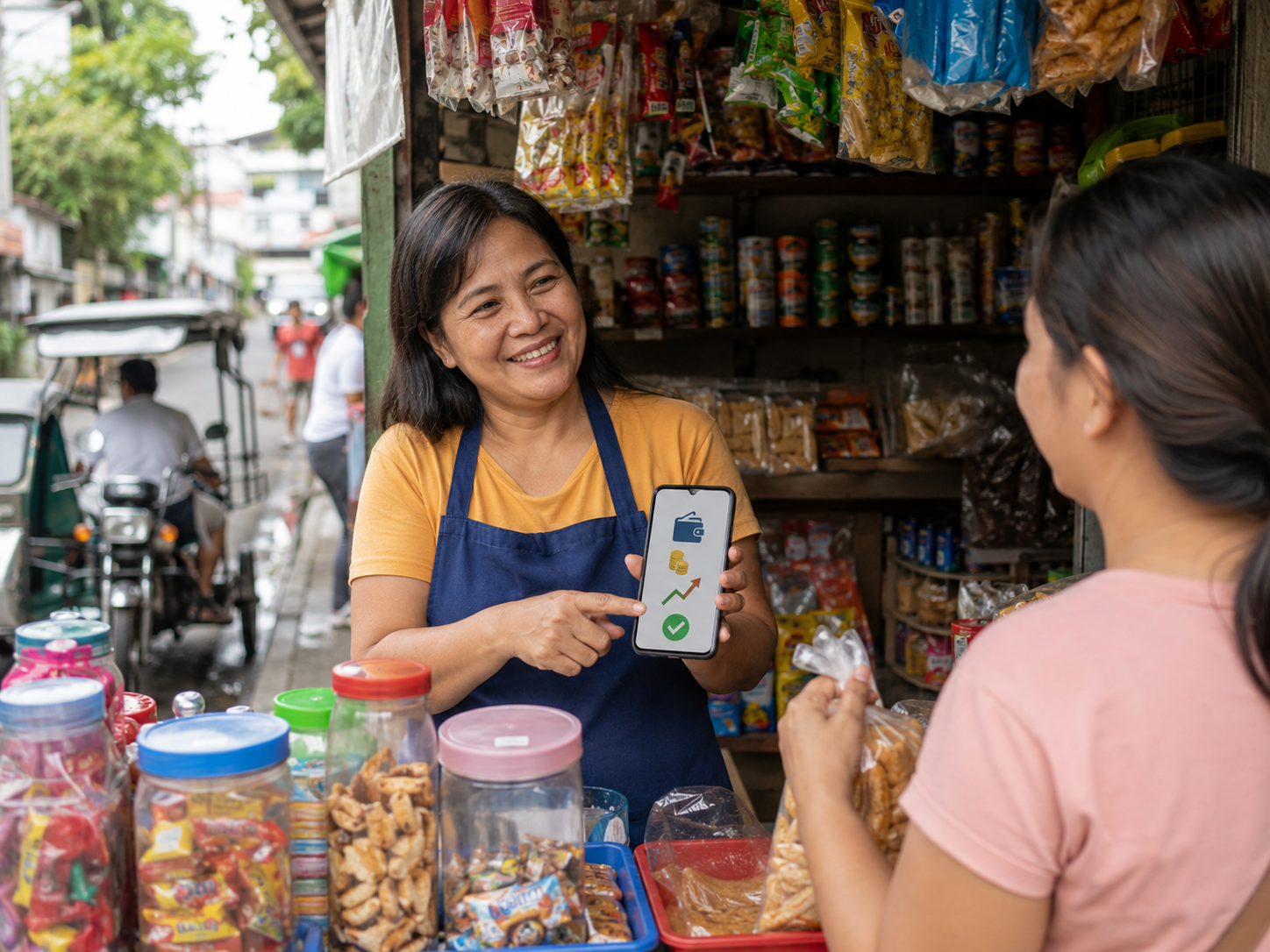
On the positive side, the Philippine government has taken steps to increase financial inclusion through initiatives such as digital banking and mobile money services. These efforts are particularly beneficial for businesses operating in rural or underserved areas, where traditional banking infrastructure is limited. By embracing digital banking platforms, businesses can streamline their financial operations, reduce costs, and reach a broader customer base.
Despite the challenges posed by regulatory requirements, the Philippine banking sector offers several incentives for businesses. The government provides various tax breaks and exemptions for businesses that comply with specific regulations or invest in certain industries. These incentives can help reduce operating costs and increase profitability, making the Philippine market more attractive to both local and foreign businesses.
Ultimately, businesses in the Philippines must navigate a complex regulatory environment to succeed. By staying informed about changes in banking policies and regulations, businesses can manage risk, access capital, and leverage opportunities to grow and thrive in a competitive market.