
A healthy startup ecosystem resembles a commons: shared resources, norms, and networks that raise everyone’s odds of success. In the Philippines, incubators and accelerators curate this commons by choreographing connections among founders, universities, corporates, investors, and government.
Their first function is translation. Technical teams need market context; corporates need agile innovation; universities need commercialization pathways. Programs translate across these dialects. They guide startups to express value in terms decision-makers understand—compliance risk reduced, cost per transaction lowered, patient outcomes improved—unlocking pilots and procurement.
Second, they set standards. Curriculum modules on metrics literacy, product discovery, and governance help founders avoid common pitfalls: building without validated demand, scaling before achieving retention, or raising capital on unclear terms. Standardization doesn’t stifle creativity; it prevents waste by focusing experiments on the riskiest assumptions first.
Third, they mobilize capital. While not all programs invest, most cultivate investor pipelines—micro-VCs, corporate venture arms, angels, and family offices. Startups learn to “qualify” investors, matching stage, check size, and sector thesis. Programs also normalize the discipline of monthly investor updates, which compound into trust and timely support.
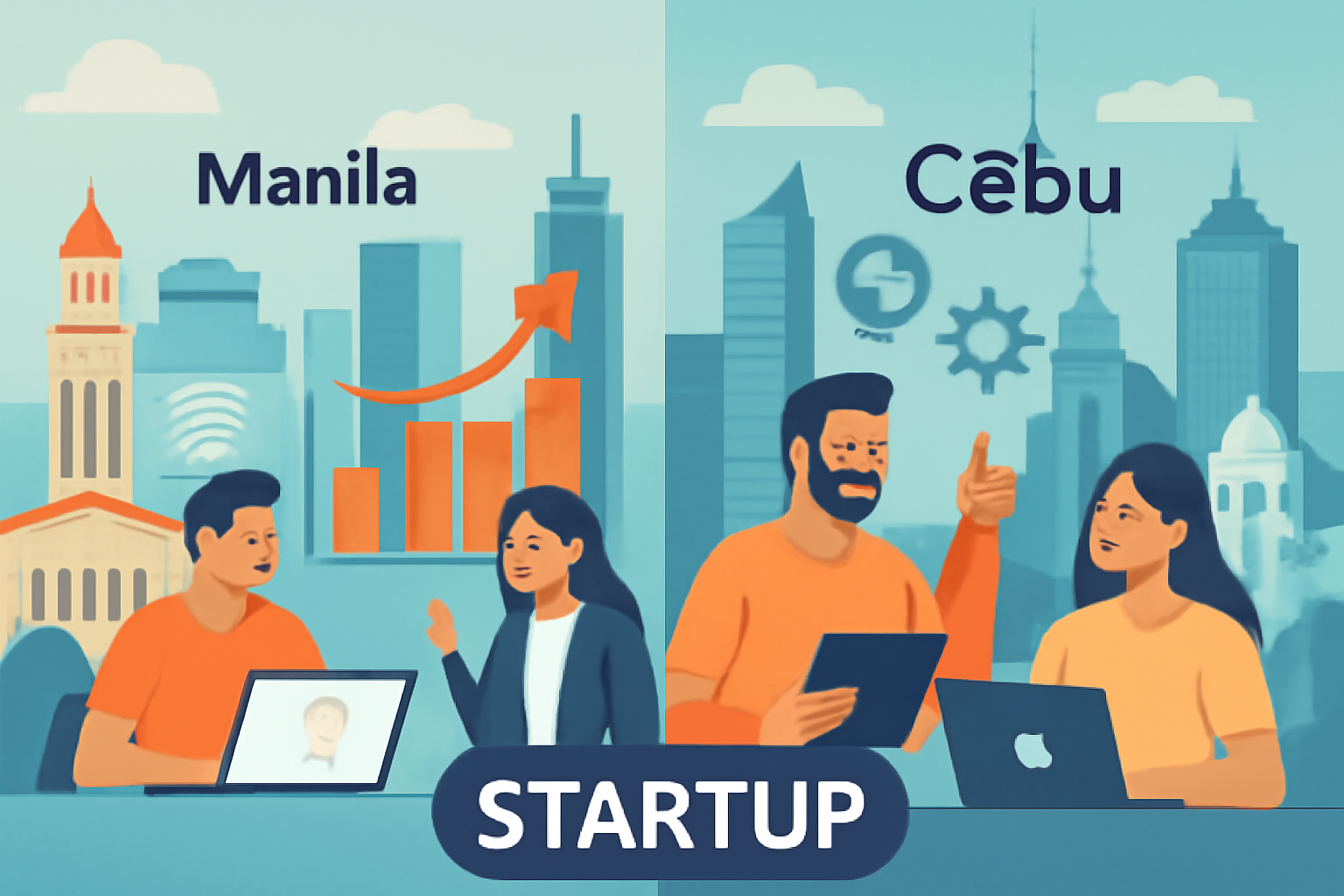
Geography matters. Manila-based programs offer density—access to regulators, enterprises, and media—yet regional incubators in Cebu, Iloilo, and Davao surface domain-specific challenges and talent. Startups focused on fisheries, disaster tech, and tourism can prototype where the problems are most acute, creating context-rich solutions with export potential.
Policy linkages further amplify impact. Programs often help founders leverage government incentives, grants, or sandbox frameworks. Engagement with data privacy rules, e-wallet licensing, or telehealth guidelines becomes less daunting when mentors have navigated them before. This policy fluency is a competitive edge in sectors where trust and compliance determine survival.
Talent formation is another structural contribution. By embedding agile rituals, code review practices, and product analytics, incubators and accelerators raise the baseline for engineering and product management. Workshops on compensation philosophy, ESOP design, and hiring scorecards professionalize teams and improve retention.
Crucially, these institutions cultivate culture. They celebrate evidence over ego, iteration over perfection, and community over isolation. Founder circles, office hours, and alumni dinners create psychological safety to share setbacks—churn spikes, failed pilots, or team conflict—and to troubleshoot quickly.
Finally, the commons is sustained by reciprocity. Graduates who return as mentors, angels, or corporate champions create positive feedback loops. Each cycle adds pattern recognition, playbooks, and credibility, making it easier for the next cohort to raise capital, win enterprise pilots, and expand regionally. This compounding effect is how ecosystems tip from potential to momentum.