
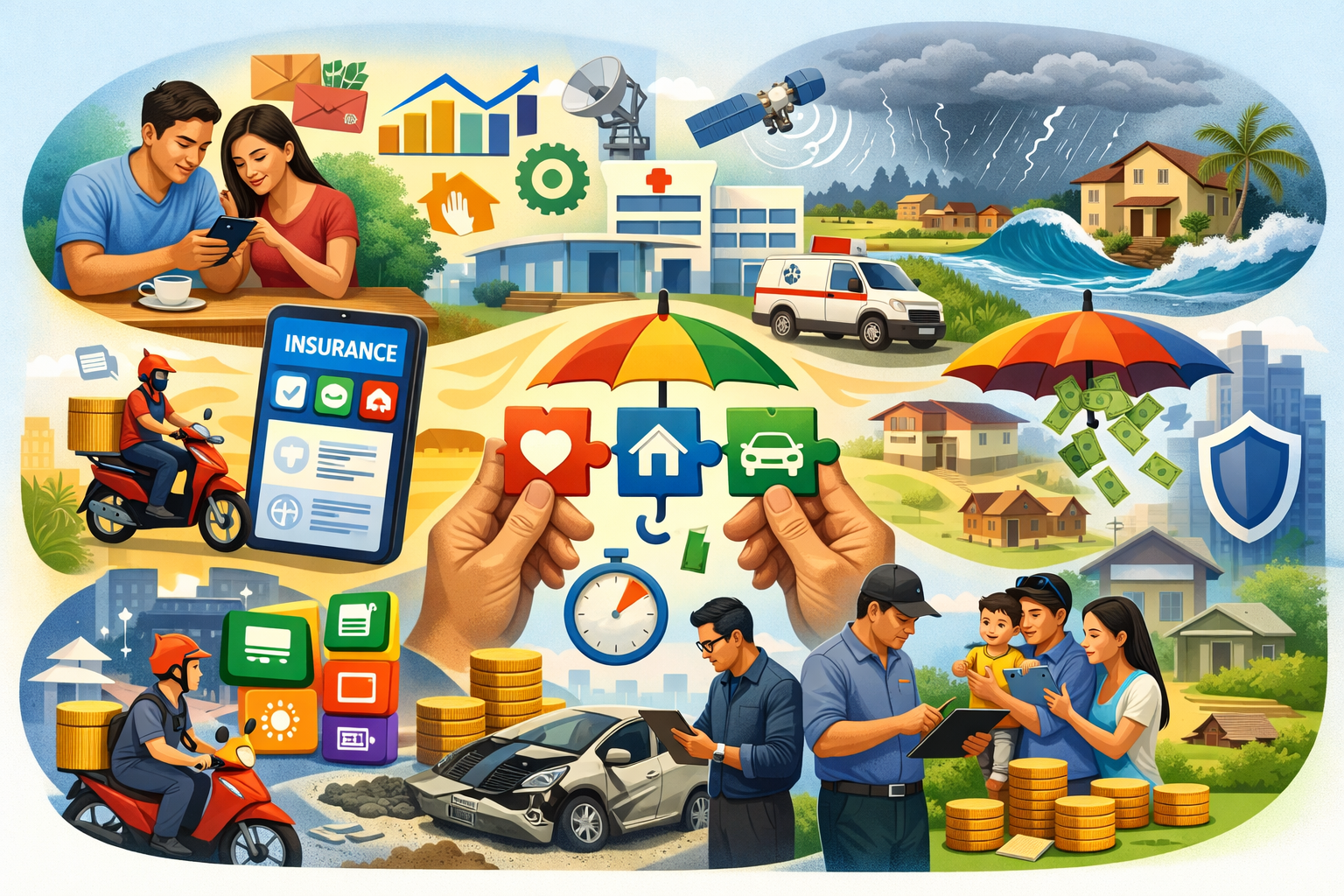
The Philippine insurance sector is undergoing a transition driven by two forces: digitization of financial services and a national need for stronger household resilience. While income growth and urbanization expand the addressable market, significant gaps remain in rural areas and among informal workers. Innovation is increasingly targeted at the reasons people avoid insurance—complexity, perceived high cost, and uncertainty about claims—rather than focusing only on expanding product catalogs.
Regulatory direction and market discipline
A stable insurance market requires solvency oversight, consumer protection, and clear market conduct rules. As products move online, oversight must also extend to digital marketing practices, disclosures, and data security. When customers purchase coverage in minutes through an app, the quality of information they receive becomes even more important. Regulators and industry groups also play a role in standard-setting for microinsurance, ensuring benefits and exclusions are understandable and that claims expectations are realistic.
Distribution evolution: agents, banks, and digital
Agents remain influential, particularly for policies requiring advice and long-term planning. Yet the country’s fast adoption of mobile payments has widened distribution options. Bancassurance can reach customers with existing bank relationships, while online platforms and e-wallet ecosystems can offer low-premium protection with minimal onboarding. These channels are not interchangeable: agent-led sales can explain nuanced products, while digital channels excel at simple, standardized coverage. Many insurers now run “hybrid” models where an agent supports customers who start digitally, or digital tools support agents in servicing clients more efficiently.
Access hinges on service design
Improving access is not simply about selling more policies; it is about making policies usable. Service design choices—how customers pay, how they update details, how they file a claim—determine whether insurance becomes part of daily life. Flexible premium payment options matter in a market where income can be irregular. Mobile-based servicing reduces travel time and lost wages. Clear claims checklists and digital submission reduce confusion. Insurers that treat these elements as core product features are often better positioned than those that view them as back-office concerns.
Health protection and the wider ecosystem
Health-related financial risk is a major concern for many households. While national health programs and private HMOs provide important support, out-of-pocket expenses can still be significant. This creates room for supplementary products that provide fixed cash benefits for hospitalization, critical illness events, or recovery periods. Innovation in this area often includes faster benefit payments, simplified eligibility checks, and integration with telemedicine. The key is transparency—customers must know whether a product pays based on diagnosis, hospitalization, or actual bills.
Climate risk, agriculture, and inclusive resilience
The Philippines’ exposure to typhoons, floods, and earthquakes makes resilience-oriented insurance vital. For low-income households and farmers, the biggest value is often speed of payout, not maximum coverage. Parametric triggers, index-based agricultural covers, and community-based catastrophe programs can help address this. However, these products must be paired with education so customers understand triggers and limitations, and with credible dispute mechanisms to maintain trust.
Trust as the ultimate growth driver
Technology can reduce costs and expand reach, but sustained growth depends on confidence that insurance will pay when needed. Clear wording, fair sales practices, and consistent claims handling are the foundations. In a market where many customers are buying their first policy, every well-handled claim becomes a form of marketing—and every poor experience can slow adoption across communities.