
The Internet of Things is emerging as a powerful catalyst for startup growth in the Philippines. IoT describes a network of physical objects embedded with sensors, software, and connectivity that allow them to collect and exchange data. For startups, this creates the ability to monitor real-world activity continuously and respond with greater speed and precision. In a country where businesses often need to overcome infrastructure and geographic limitations, IoT provides a significant competitive advantage.
The Philippine startup ecosystem has been expanding across sectors such as fintech, logistics, health technology, agriculture, retail, and sustainability. What makes IoT especially important is its flexibility. It can be used to reduce costs, improve service delivery, automate workflows, and create new value-added services. Startups no longer have to rely only on labor-intensive monitoring or delayed reporting. Through IoT, they can track processes in real time and make smarter interventions.
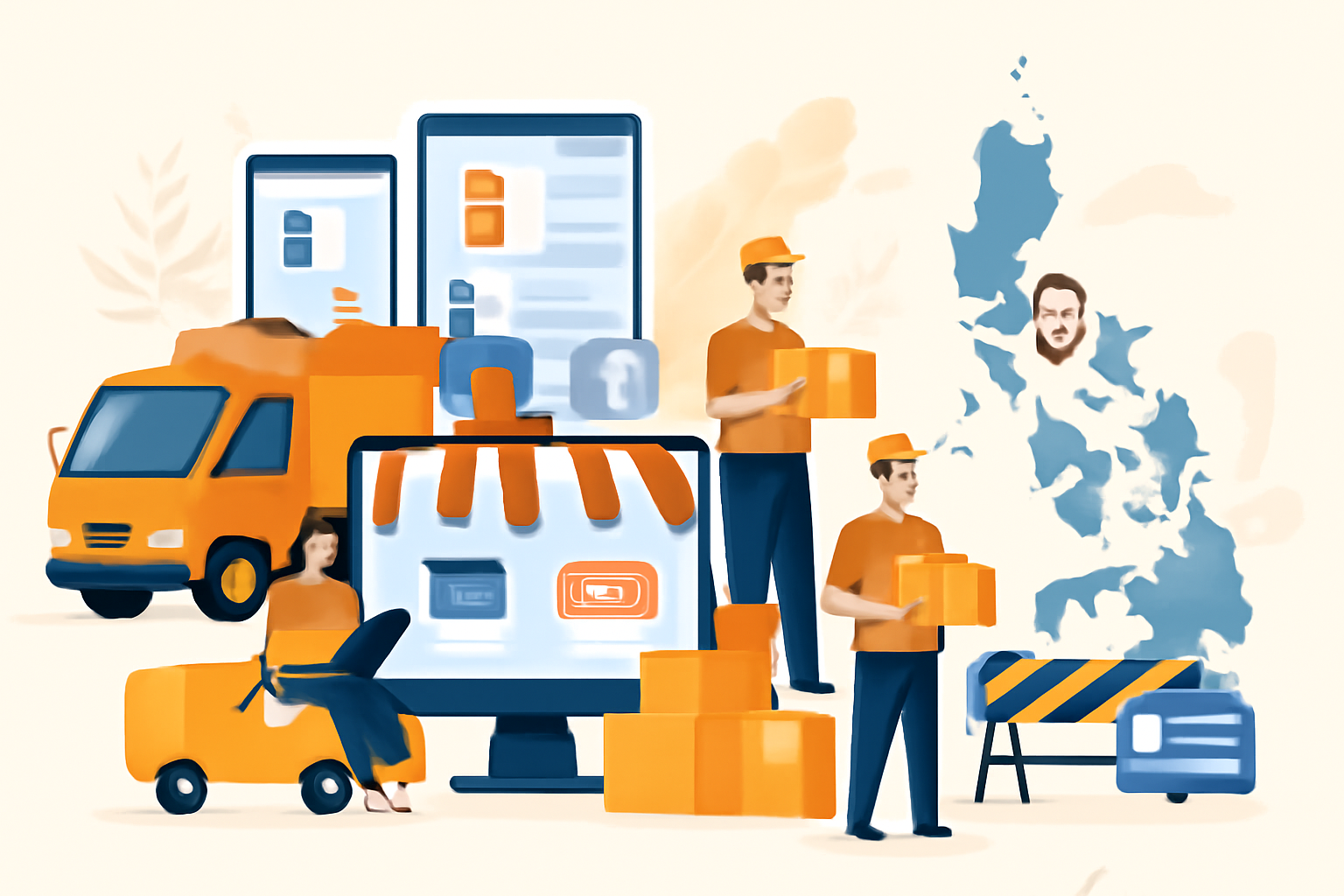
In logistics, this has immediate value. The Philippines depends heavily on transportation networks that connect islands, cities, and remote communities. Delays, misplaced shipments, and route inefficiencies can be expensive for startups trying to scale. IoT solutions such as GPS tracking, fuel sensors, vehicle diagnostics, and package monitoring systems help companies gain tighter control over fleet operations. These tools improve punctuality, reduce waste, and support better customer communication.
Agritech startups are similarly benefiting from the use of connected devices. Farming in the Philippines is highly exposed to environmental uncertainty, including changing rainfall patterns, typhoons, and heat stress. IoT helps startups offer modern farming support through soil sensors, climate monitors, and app-based dashboards that guide farmers in real time. This makes agricultural decisions more accurate and less dependent on guesswork. For startups, it also opens the door to scalable subscription models and advisory services built around field data.
Another important area is energy and building management. Startups focused on sustainability can use IoT to monitor electricity consumption, indoor climate conditions, water usage, and equipment performance. Smart systems can automatically switch off unused appliances, regulate temperature, and detect abnormalities. In a business environment where overhead costs matter, these savings can directly improve margins. At the same time, startups that offer environmentally responsible solutions gain stronger positioning among customers and investors who care about sustainability.
In healthcare, IoT is helping startups address gaps in service access. Connected medical devices, home health monitoring kits, and wearable technologies make it easier to manage patient care from a distance. This is particularly useful in the Philippines, where patients in rural or island communities may struggle to visit doctors regularly. Startups can create systems that alert healthcare providers when vital signs shift or treatment schedules are missed. Such innovation supports preventive care and allows services to reach more people.
IoT also improves the way startups understand their own operations. Real-time data from devices can reveal patterns in equipment use, customer demand, employee productivity, or product performance. This gives founders stronger evidence for strategic decisions. Rather than reacting after problems occur, startups can act earlier and operate more proactively.
However, several challenges influence the pace of adoption. Internet reliability, upfront technology costs, and limited technical expertise can slow implementation. Security is also a critical concern, as connected networks must be protected from unauthorized access and data misuse. Startups need to invest not only in devices but also in secure systems, maintenance, and talent.
Even so, IoT is steadily becoming a driver of startup transformation in the Philippines. It enables more efficient operations, more responsive services, and more creative business models. As infrastructure improves and digital capabilities expand, the impact of IoT on Philippine startups is expected to become even more significant across many industries.