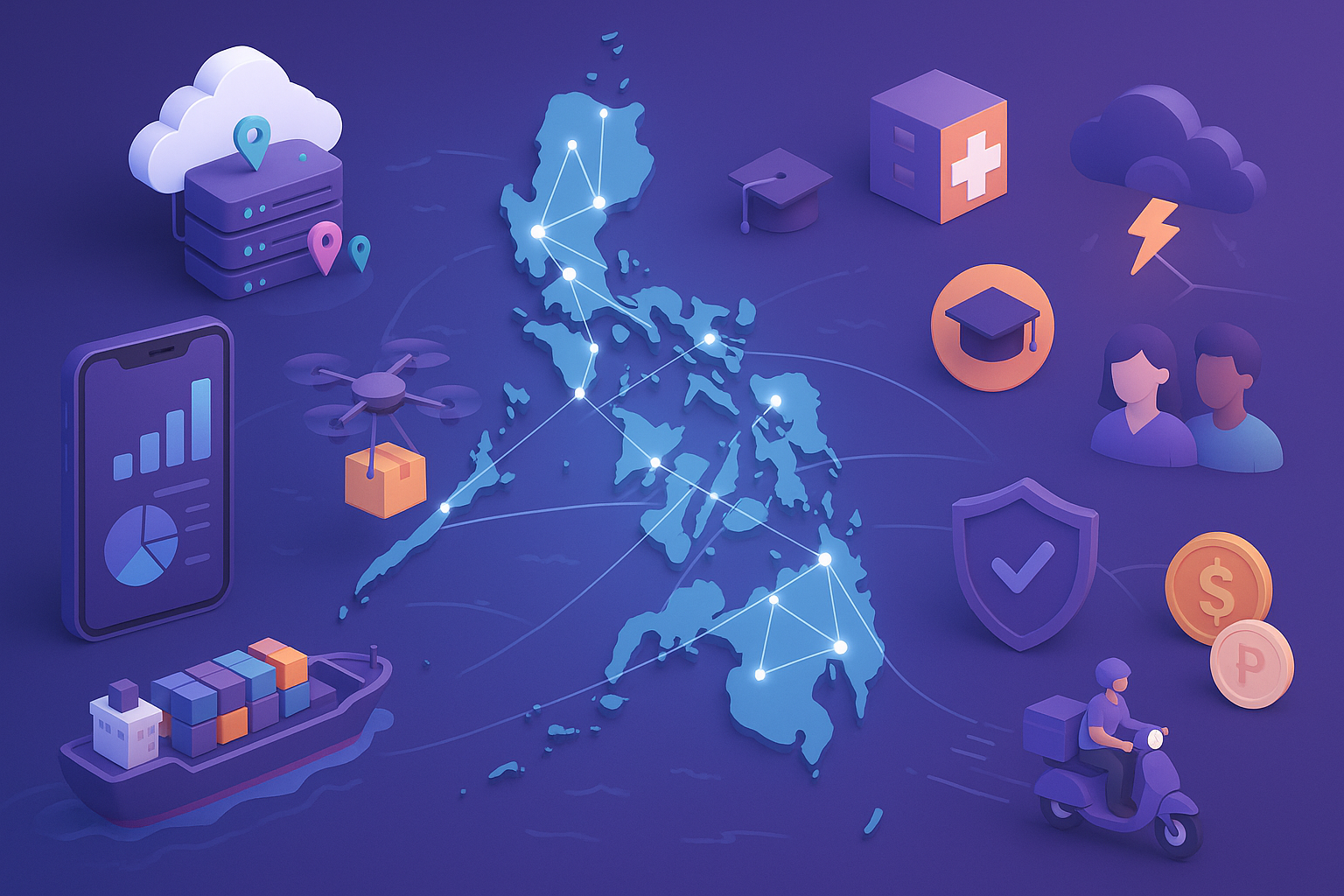
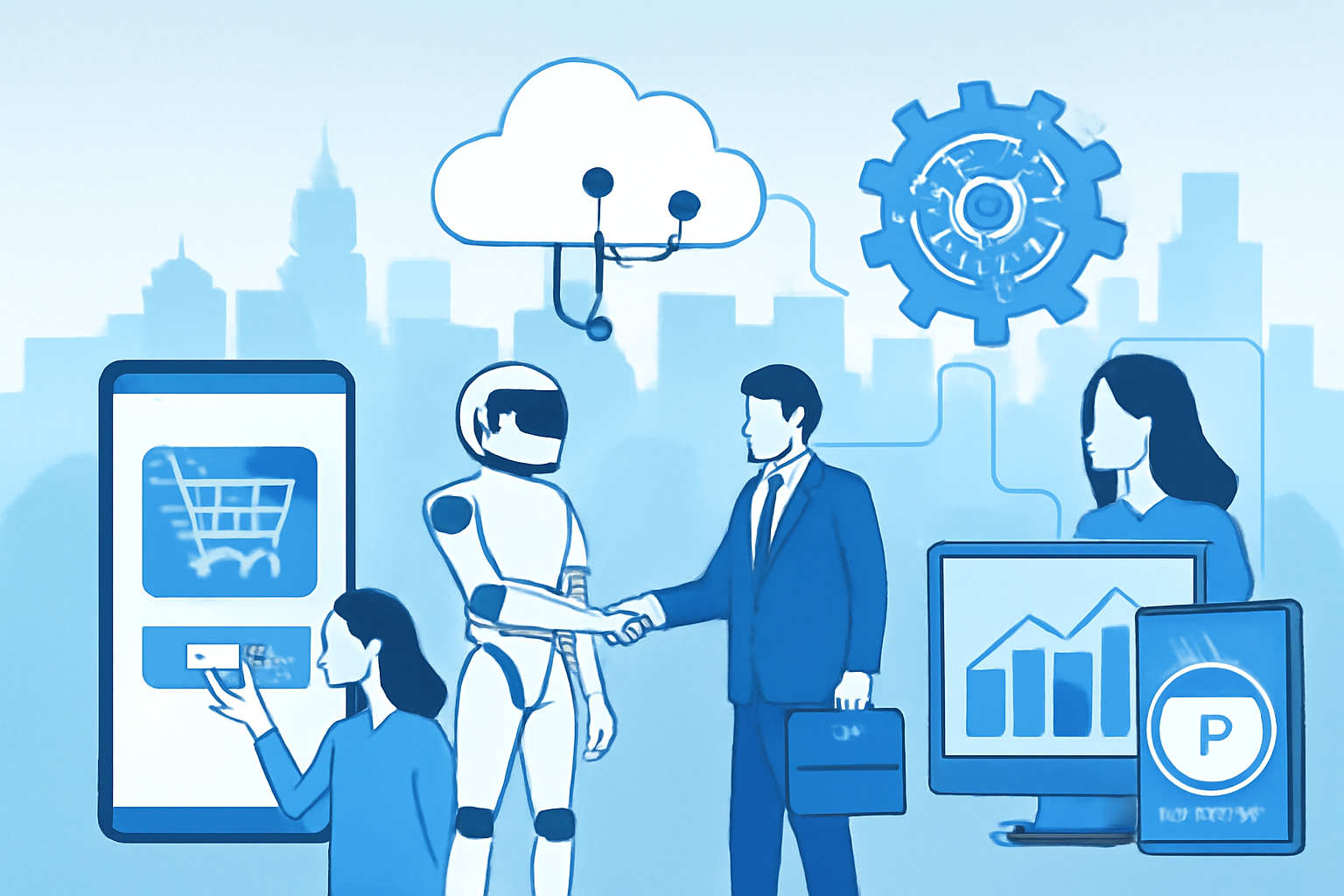
The business landscape in the Philippines is undergoing a digital transformation, with technology becoming a key driver of change. Companies are increasingly turning to digital tools and innovations to streamline operations, improve customer engagement, and expand their market reach. The adoption of technology is helping businesses overcome traditional barriers, enabling them to scale and innovate at unprecedented rates.
E-commerce is one of the most visible examples of how technology is transforming business in the Philippines. Online shopping platforms like Lazada, Shopee, and Zalora have become integral to the way Filipinos shop, particularly in light of the COVID-19 pandemic. These platforms have made it easier for businesses to reach a wider audience, especially in remote areas where physical stores may be limited. E-commerce also offers convenience, allowing consumers to browse, compare prices, and make purchases at any time of the day, from the comfort of their homes.
Another key technology driving business transformation in the Philippines is artificial intelligence (AI). AI is being used to improve customer service through the use of chatbots, which provide instant assistance to customers 24/7. AI is also helping businesses personalize their marketing efforts, by analyzing consumer data and delivering targeted ads. In industries like finance, AI-powered systems are being used to detect fraudulent transactions and manage risks more effectively.
Cloud computing is enabling businesses to store and process large amounts of data without the need for costly physical infrastructure. Cloud-based solutions have democratized access to advanced technologies, allowing small and medium-sized enterprises (SMEs) to compete with larger corporations. Businesses in the Philippines are using cloud-based tools for everything from accounting and inventory management to project collaboration and customer service.
The logistics and supply chain sectors have also benefited greatly from technological advancements. Through the use of GPS, tracking systems, and automated warehousing, businesses are improving efficiency and reducing operational costs. Online food delivery services like GrabFood and Foodpanda have also seen growth, using technology to connect consumers with local restaurants and ensuring timely deliveries through optimized routes and real-time tracking.
However, while technology offers numerous advantages, the digital transformation journey is not without its challenges. Businesses must navigate issues such as cybersecurity threats, the digital divide, and the need for digital skills development. To address these challenges, the government and private sector are working together to improve infrastructure, provide training programs, and implement policies that promote digital inclusion.
In conclusion, technology is playing a vital role in the digital transformation of businesses in the Philippines. As businesses continue to adopt innovative digital tools, they will be able to improve efficiency, reach new customers, and enhance the overall customer experience. With continued investment in technology and infrastructure, the Philippines is poised to become a leading digital economy in Southeast Asia.