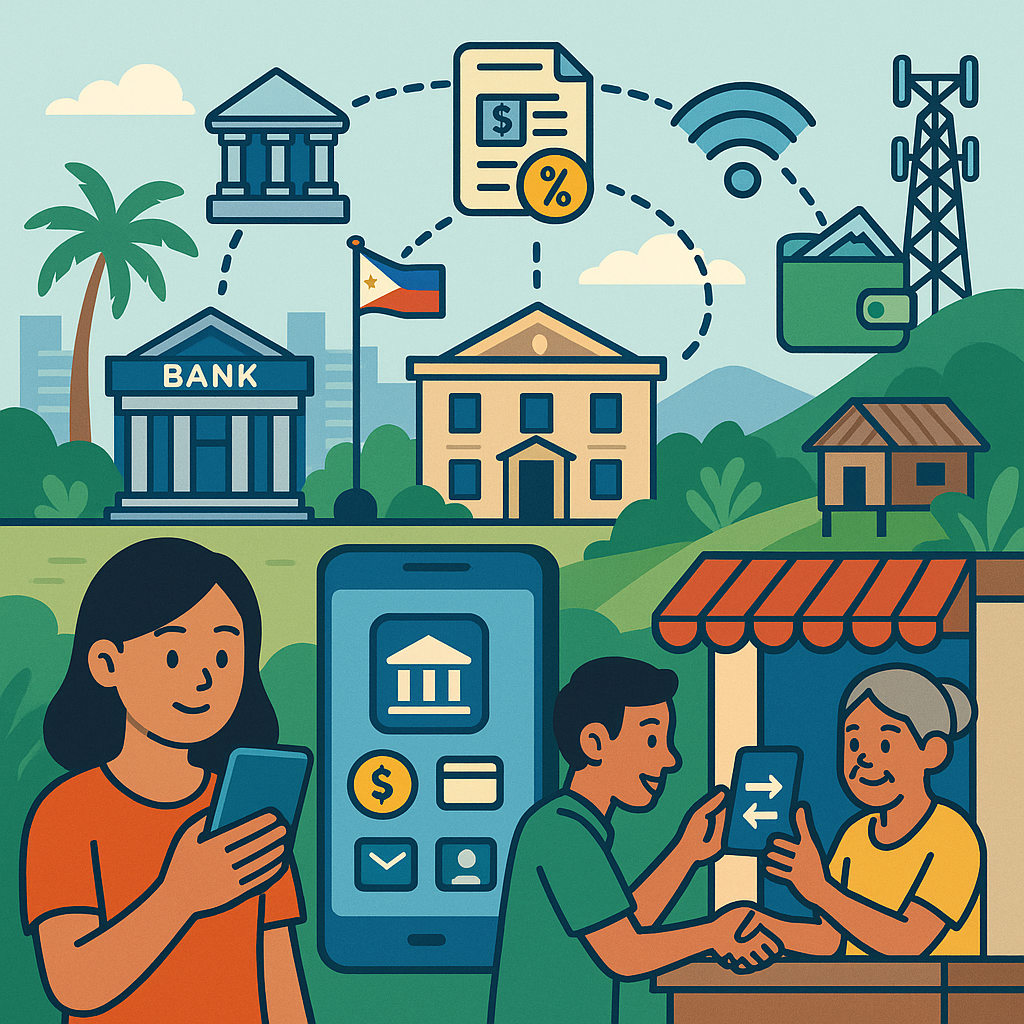

MSMEs are often described as the backbone of the Philippine economy, and for good reason. They represent a large portion of enterprises in the country and are deeply connected to employment, innovation, and community-based commerce. Yet many of these businesses remain vulnerable because they operate with limited capital and narrow financial buffers. Philippine banks help fill this gap by offering products and services that support everyday operations, future growth, and better financial control.
A key service offered by banks is access to formal credit. Many MSMEs begin with personal savings, family support, or informal lending, but these funding sources are often too small or too unstable for long-term expansion. Banks provide more structured financing options such as working capital loans, installment-based business loans, and revolving facilities. These products can help cover inventory purchases, payroll, supplier obligations, and other recurring business expenses. For entrepreneurs seeking to expand, bank financing can be the bridge between a small operation and a more competitive enterprise.
Banks also assist businesses that need to purchase physical assets. A food manufacturer may need processing equipment, a logistics business may require delivery units, and a retail company may want to invest in point-of-sale technology. Instead of paying the full cost upfront, MSMEs can use financing solutions to spread payment across manageable terms. This protects cash flow while still allowing the business to improve efficiency and productivity.
Another major contribution of Philippine banks is transaction support. Business owners need secure ways to send money, receive customer payments, and manage accounts. Through digital banking platforms, mobile apps, payroll systems, and merchant payment services, banks make these activities faster and easier. This matters because efficiency is not only a convenience; it also affects business credibility, customer experience, and financial discipline. A business that handles payments smoothly is often better positioned to grow and retain trust.
Trade-related support is especially important for MSMEs involved in distribution, manufacturing, or cross-border transactions. Delays in payment, supplier uncertainty, and documentation issues can create serious operational problems. Banks can reduce these risks through financial instruments that support trade transactions and improve confidence between parties. With banking assistance, smaller businesses may find it easier to enter more formal supply chains or work with larger corporate clients.
Beyond products, banks can serve as strategic partners. Many MSME owners are experts in their products or services but need help understanding financial planning, debt structure, and banking requirements. Relationship managers or business banking teams can guide clients in choosing appropriate products and preparing for financing applications. This guidance is valuable because borrowing without a clear plan can create repayment problems later.
At the same time, MSMEs should understand that banks evaluate risk carefully. Approval usually depends on factors such as business registration, operating history, sales performance, repayment capacity, and financial documentation. Enterprises that lack these basics may struggle to qualify even if the business itself has strong potential. Because of this, entrepreneurs should invest in better records, transparent accounting, and a clear separation between business and personal finances.
Finding the right bank in the Philippines requires careful comparison. Interest rates matter, but so do service responsiveness, accessibility, product relevance, and digital capability. MSMEs benefit most from banks that understand the realities of smaller enterprises and provide practical, flexible support. When a business secures the right banking relationship, it gains more than financing. It gains tools, structure, and confidence to grow in a more sustainable way.