Microcredit has become a significant driver of economic prosperity in the Philippines, particularly for the country’s underserved populations. This financial innovation involves providing small loans to individuals who do not have access to conventional bank financing, allowing them to start or expand small businesses. In a country where poverty remains a widespread challenge, microcredit has proven to be a powerful tool for financial inclusion and economic empowerment.
One of the key ways that microcredit has contributed to economic prosperity in the Philippines is by encouraging entrepreneurship. Many Filipinos, particularly in rural areas, have ideas for businesses but lack the necessary capital to bring them to fruition. Microcredit programs address this gap by offering loans that allow individuals to establish businesses in fields such as agriculture, retail, and services. By providing capital, these programs give individuals the means to earn an income, support their families, and improve their quality of life.
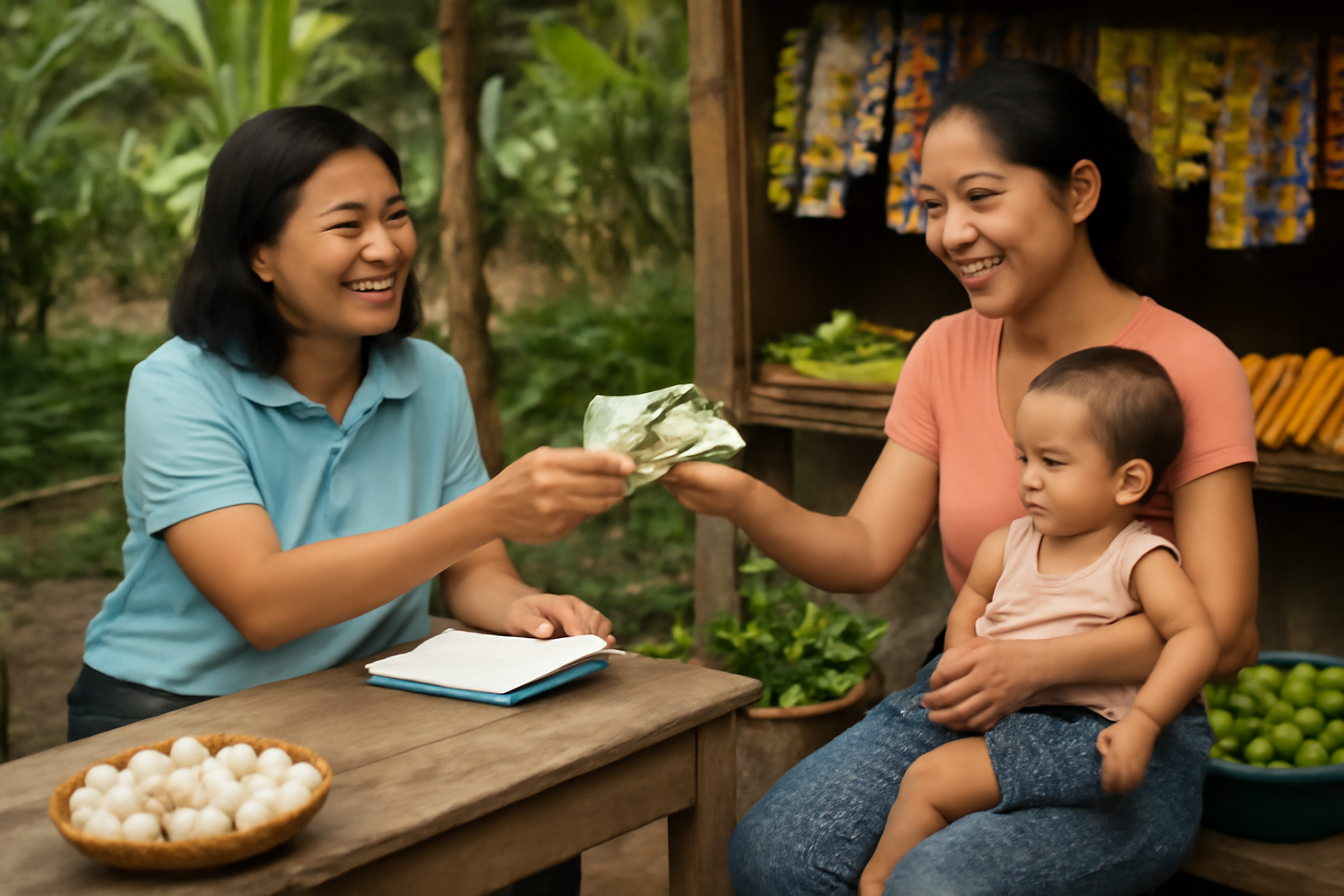
Microcredit has also been instrumental in promoting gender equality in the Philippines. Women, especially in rural regions, often face barriers to accessing traditional banking services due to cultural norms and economic constraints. Microcredit programs that specifically target women have empowered them to take charge of their economic futures. With access to small loans, women can start their own businesses, improve their economic status, and contribute to the financial well-being of their families. This empowerment has not only improved the lives of women but has also had a positive impact on their children, as better income leads to better educational opportunities and health care.
In addition to boosting entrepreneurship, microcredit programs in the Philippines have helped improve the overall economic landscape. Small businesses, which are often the backbone of rural economies, create employment opportunities and generate income. As these businesses thrive, they contribute to the local economy by stimulating demand for goods and services, which in turn drives economic growth in the region. This process of local economic development creates a multiplier effect that benefits entire communities.
Microcredit also supports social development by improving access to basic services such as healthcare and education. With the financial stability provided by microcredit loans, families are better able to afford health insurance, pay for medical treatments, and ensure that their children receive an education. This enhanced access to education and healthcare contributes to the long-term welfare of the population and ensures that future generations will have better opportunities for economic advancement.
However, the success of microcredit in the Philippines is not without its challenges. High-interest rates, while necessary for the sustainability of microfinance institutions, can place a strain on borrowers. In some cases, the terms of repayment can lead to financial difficulties if borrowers are unable to repay their loans on time. Moreover, financial literacy remains a barrier for many borrowers, making it difficult for them to manage their loans effectively.
Despite these challenges, microcredit continues to be a powerful tool in reducing poverty and fostering economic development in the Philippines. By addressing the challenges associated with interest rates and financial education, the Philippines can further harness the potential of microcredit to improve the welfare of its people and contribute to sustainable economic growth.