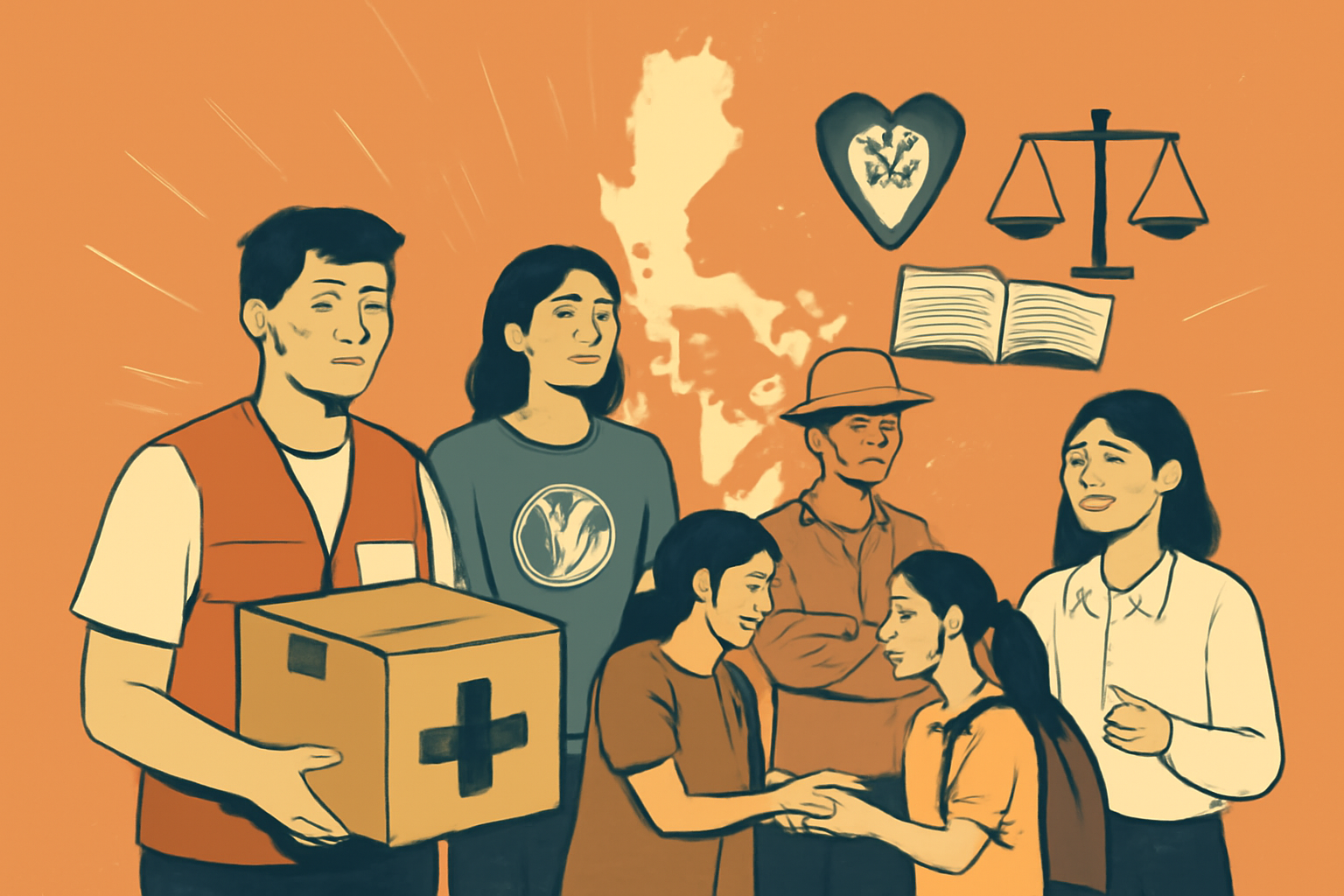
Social and humanitarian organizations in the Philippines are vital to the country’s development, particularly in areas where the government’s reach is limited. These organizations provide essential services to the most vulnerable populations, whether in times of disaster or as part of long-term development projects. Through their efforts, they are helping to address the country’s social, economic, and environmental challenges.
Disaster Relief and Community Resilience
The Philippines is one of the most disaster-prone countries in the world. Typhoons, earthquakes, and floods frequently cause widespread devastation, and social and humanitarian organizations are crucial in providing relief. The Philippine Red Cross is one of the leading organizations in disaster response, delivering emergency services such as food, shelter, and medical care to affected communities.
In addition to immediate disaster relief, many organizations, such as Oxfam Philippines, focus on building community resilience. These organizations work with communities to prepare for future disasters by implementing early warning systems, conducting training on disaster risk reduction, and helping to build disaster-resilient infrastructure. Their efforts are vital in ensuring that communities can withstand and recover from future crises.
Combating Poverty and Supporting Development
Poverty is a pervasive issue in the Philippines, and social organizations play an essential role in addressing this problem. Many organizations, such as Gawad Kalinga, focus on sustainable community development, providing resources such as housing, education, and healthcare to impoverished areas. By fostering a sense of community and empowering local people, these organizations help break the cycle of poverty and build more resilient communities.
The Philippine Business for Social Progress (PBSP) also works to alleviate poverty by supporting programs that focus on education, healthcare, and livelihood development. These programs are designed to create long-term economic opportunities for individuals and communities, helping them to improve their standard of living.
Advocating for Human Rights and Social Justice
Human rights violations remain a serious concern in the Philippines, particularly for marginalized groups such as indigenous peoples, women, and human rights activists. Many organizations, including Karapatan and the National Union of Peoples’ Lawyers, focus on protecting and advocating for human rights. These groups provide legal assistance to victims of abuse, raise awareness of human rights violations, and lobby for policy changes that promote justice and equality.
The Commission on Human Rights (CHR) also plays a critical role in monitoring human rights abuses and holding violators accountable. Its work, alongside that of various NGOs, has led to increased public awareness of human rights issues and has helped to push for reforms that improve the protection of civil liberties in the country.
Educational Access and Empowerment
Education is a powerful tool for breaking the cycle of poverty and inequality. Many social organizations in the Philippines are committed to improving access to education for underserved communities. Teach for the Philippines, for example, recruits and trains young professionals to teach in rural and disadvantaged areas, ensuring that children in these regions have access to quality education.
Organizations like PBSP also support educational initiatives by providing scholarships, skills training, and support for teachers. These programs are vital in ensuring that individuals from marginalized backgrounds can access opportunities for personal and professional development.
Conclusion
Social and humanitarian organizations in the Philippines are essential to addressing the country’s most pressing challenges. Their contributions to disaster relief, poverty alleviation, human rights advocacy, and education have had a profound impact on the lives of millions of Filipinos. These organizations are helping to create a more just, equitable, and resilient society, one where all individuals have the opportunity to thrive.