
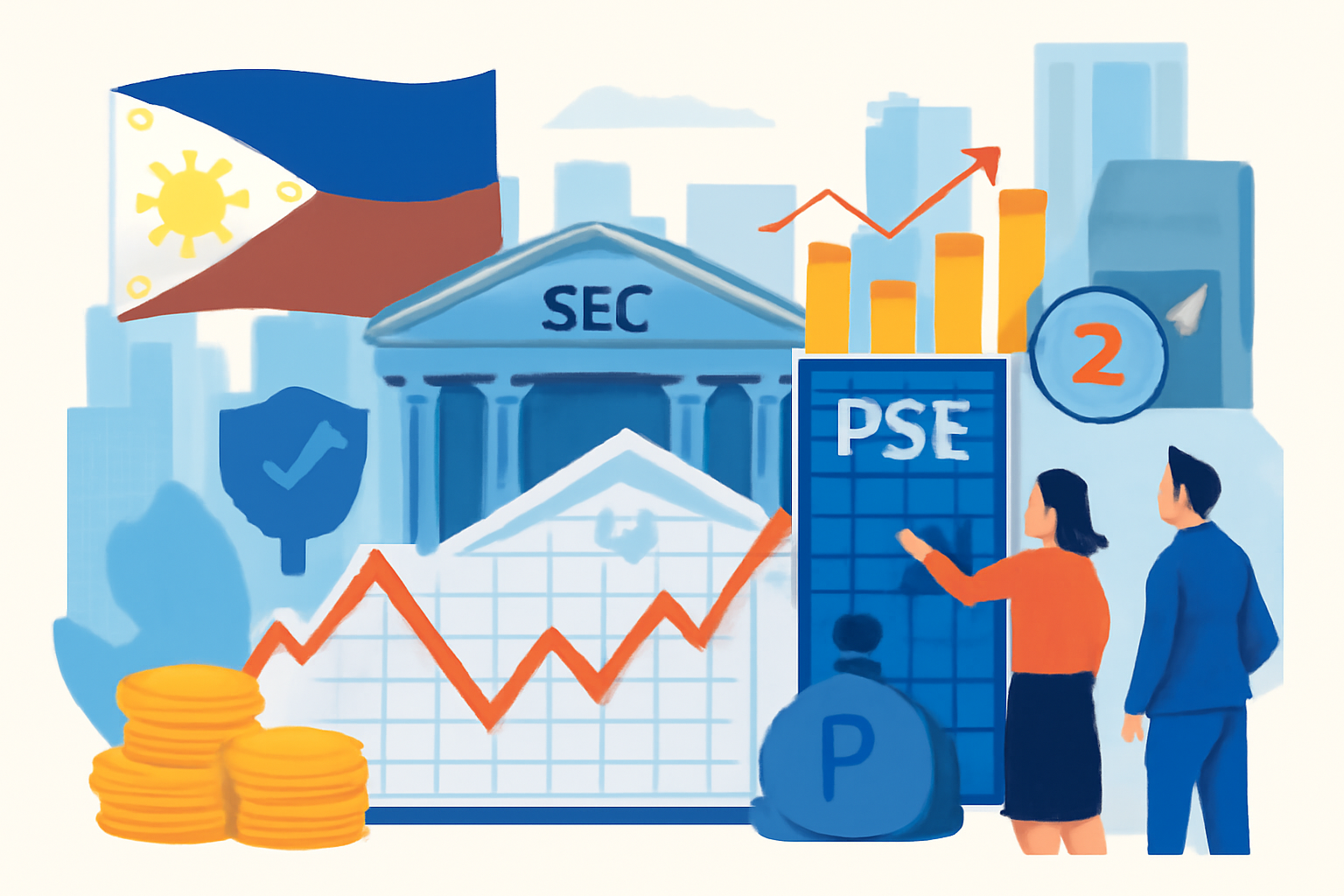
The Philippine stock market is one of the most active in Southeast Asia, offering numerous investment opportunities for both domestic and international investors. However, the success of this market is dependent on a well-established framework of regulations and policies that aim to ensure fair trading, protect investors, and promote economic stability. The Philippine government has put in place various mechanisms to regulate the market and protect its participants, helping the country to maintain a secure and growing investment environment.
At the core of the regulatory system is the Securities and Exchange Commission (SEC), which oversees the registration of securities, corporate governance, and market conduct. The SEC is responsible for ensuring that all companies listed on the Philippine Stock Exchange (PSE) provide accurate and timely information about their financial health and operational performance. These regulations enhance transparency and accountability, allowing investors to make informed decisions based on publicly available data.
The PSE, as the primary stock exchange in the Philippines, sets the trading rules that participants must adhere to. It establishes guidelines that prevent market manipulation and enforce fair practices during trading hours. In addition, the PSE monitors trading activities closely, ensuring that all market participants comply with the legal and ethical standards in place.
The Philippine government has also implemented strict laws to combat market manipulation, fraud, and insider trading. Insider trading, where an individual uses non-public information for personal financial gain, is a criminal offense under Philippine law. The SEC takes an active role in detecting and prosecuting cases of insider trading, as it undermines investor confidence and destabilizes the stock market.
Moreover, the Philippine government has adopted a policy of encouraging foreign investment in the stock market. By relaxing foreign ownership restrictions, the country opens its doors to international investors, enabling them to take part in the country’s economic growth. This approach is designed to boost the liquidity of the Philippine stock market and facilitate the flow of foreign capital, which can be used to fund development projects and business expansion.
The government has also introduced several tax incentives to encourage investments in the country. These incentives include exemptions on capital gains taxes for certain types of securities transactions and preferential tax rates for long-term investments. These measures are designed to attract both local and international investors who are looking for opportunities in the Philippine market.
The promotion of financial literacy is another important aspect of the government’s approach to regulating the stock market and investment sector. By educating citizens on investment strategies, risk management, and market dynamics, the government ensures that investors are better prepared to navigate the complexities of the stock market. Financial literacy programs are held in collaboration with various government agencies and private sector partners to create a well-informed investor base.
To further protect investors, the government has established the Philippine Deposit Insurance Corporation (PDIC), which insures bank deposits up to a certain limit. This helps investors feel secure about their savings and investments, particularly in the banking sector. In turn, this increased confidence can lead to more investments in the stock market and other financial instruments.
In addition to these efforts, the government has been working to improve the overall business environment in the Philippines by addressing corruption, streamlining regulations, and investing in infrastructure development. These efforts create a more favorable investment climate that can lead to increased foreign investment, greater market stability, and stronger economic growth.
The Philippine government’s regulations and policies play a vital role in maintaining the integrity of the stock market and protecting investors. Through robust regulatory frameworks, tax incentives, and financial education initiatives, the government creates an environment where both local and foreign investors can confidently participate in the country’s economic development.