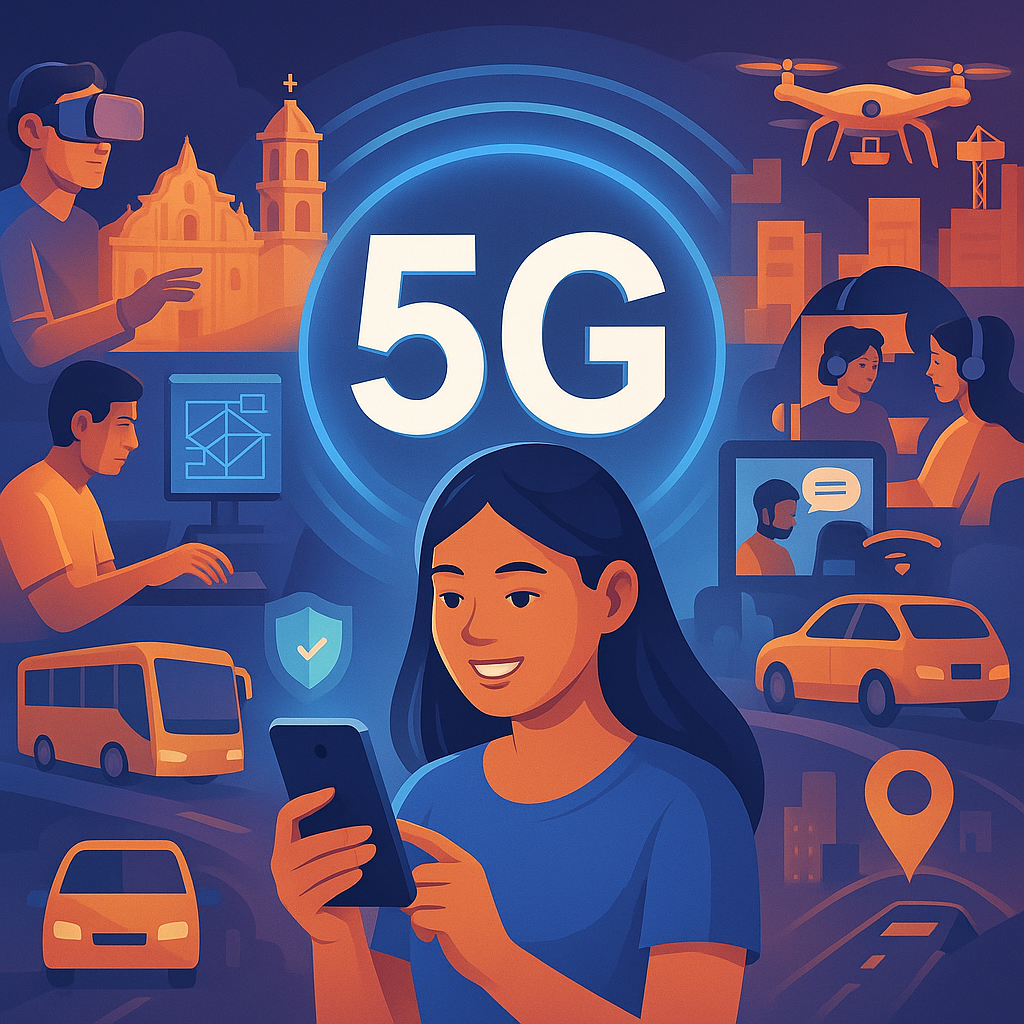
The introduction of 5G technology in the Philippines is laying the groundwork for entirely new business models in the startup scene. While earlier mobile networks mainly enabled basic apps and web services, 5G’s capabilities support experiences that depend on instant communication, high-definition content, and massive device connectivity. For Filipino entrepreneurs, this shift opens doors to innovate in sectors that previously required heavy infrastructure or capital.
One of the immediate areas affected is real-time data analytics. Startups can build platforms that gather live data from customers, sensors, or vehicles and process it in the cloud almost instantly. Think of ride-hailing services that adjust prices and routes in real time, or retail analytics companies that monitor foot traffic in malls and micro-fulfillment centers. With 5G, these data streams become more stable and responsive, enabling smarter decision-making for clients.
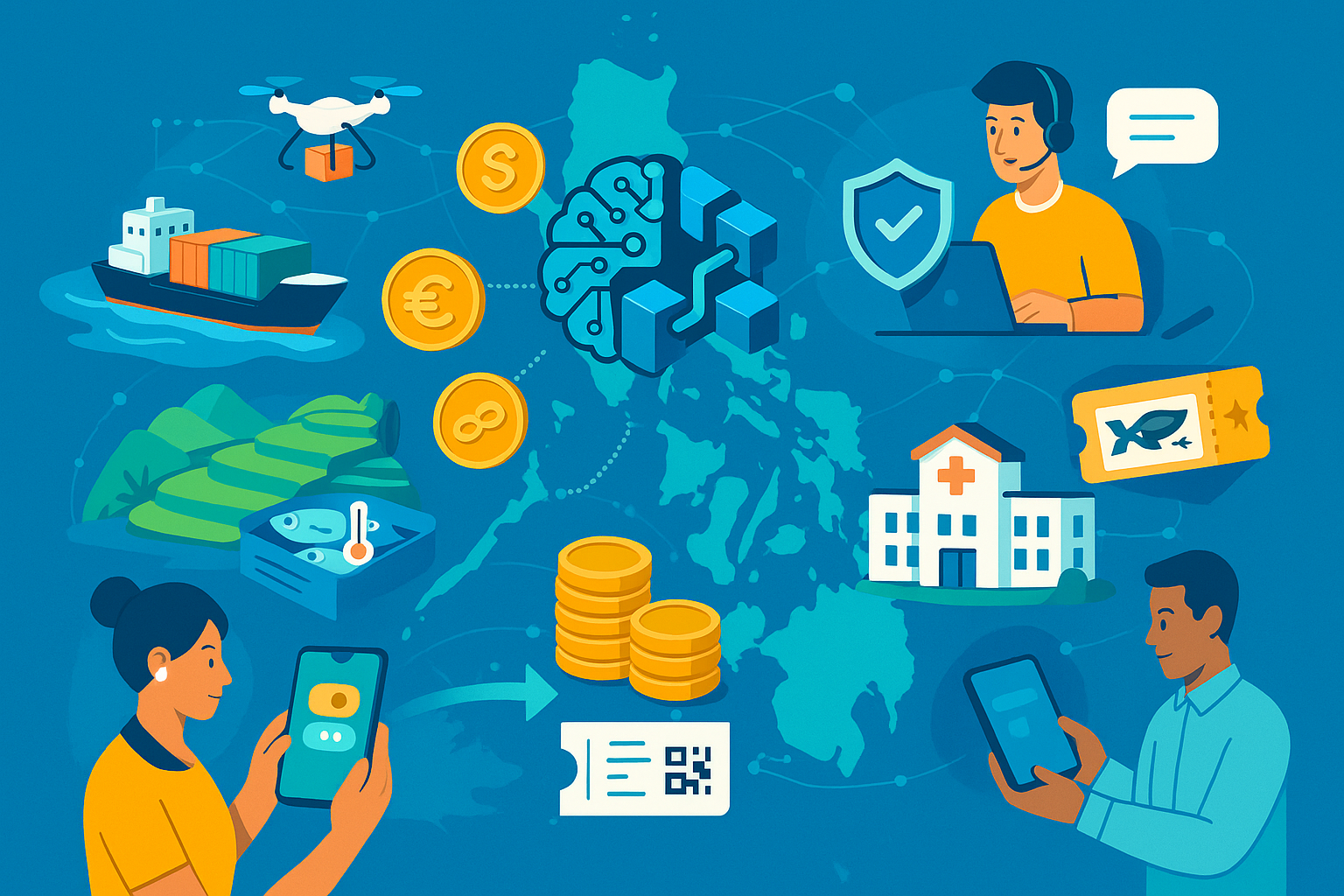
In financial services, the combination of 5G and cloud computing allows even small teams to deliver enterprise-grade performance. Payment gateways, digital remittance services, and micro-investment platforms serving overseas Filipino workers and their families can handle large transaction volumes while maintaining strong security. These startups can offer seamless mobile experiences, reducing friction and encouraging adoption among users who may be new to digital finance.
Manufacturing and industry also gain new possibilities. As special economic zones and industrial parks upgrade their connectivity, startups can offer 5G-enabled solutions like predictive maintenance, automated quality control using computer vision, and connected supply chains. Filipino founders who can integrate 5G with robotics, edge computing, and AI can focus on “Industry 4.0” services tailored to local factories, helping them become more efficient and globally competitive.
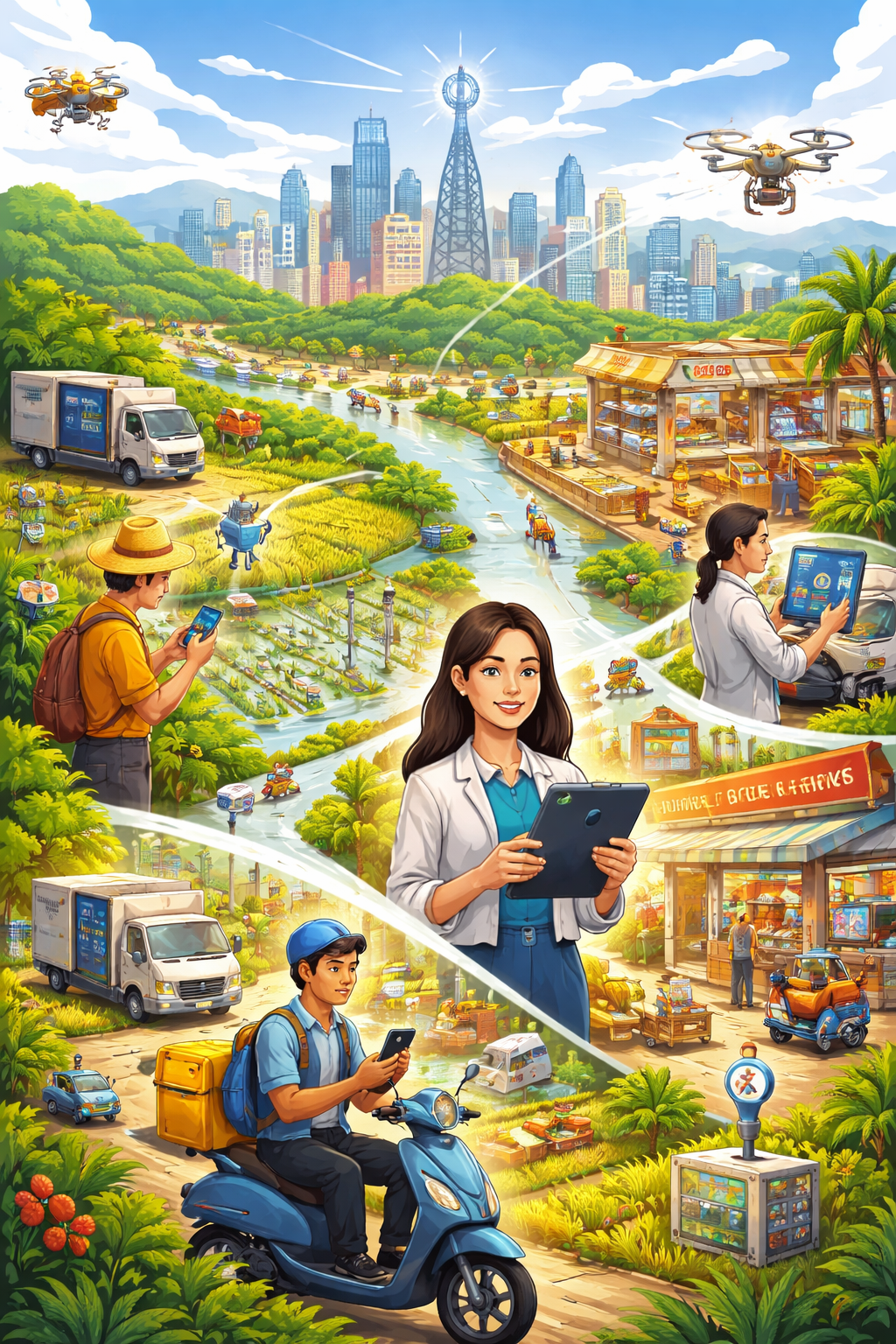
The country’s geography makes logistics a constant challenge, but 5G can help reduce some of the friction. Startups can deploy advanced fleet management systems, real-time shipment tracking, and smart warehousing technologies. Autonomous or semi-autonomous vehicles and drones may initially be limited to private or controlled environments, yet they offer a glimpse of how 5G can further transform logistics in the long term. These innovations can lower costs for e-commerce merchants and SMEs scattered across different islands.
Creativity and storytelling also enter a new era. With 5G, Filipino media and gaming startups can distribute interactive narratives, cloud-based games, and social platforms that incorporate AR filters, live events, and user-generated content. Instead of relying solely on traditional streaming, they can experiment with multi-screen experiences and real-time audience participation, engaging viewers in richer ways and opening up new advertising formats.
However, leveraging 5G effectively requires more than just technical awareness. Startups must carefully evaluate whether their target customers actually have access to 5G and compatible devices. They need to plan for graceful degradation so that services still function on 4G, even if certain advanced features are limited. At the same time, founders should monitor regulatory developments, spectrum allocation, and incentives that government agencies may offer for 5G-based innovation.
By combining local insight with the new capabilities of 5G, Filipino startups can design business models that address long-standing national issues—such as uneven access to services, high logistics costs, and gaps in financial inclusion—while also appealing to regional markets in Southeast Asia. This blend of deep connectivity and entrepreneurial creativity has the potential to reshape the country’s digital economy in the years ahead.