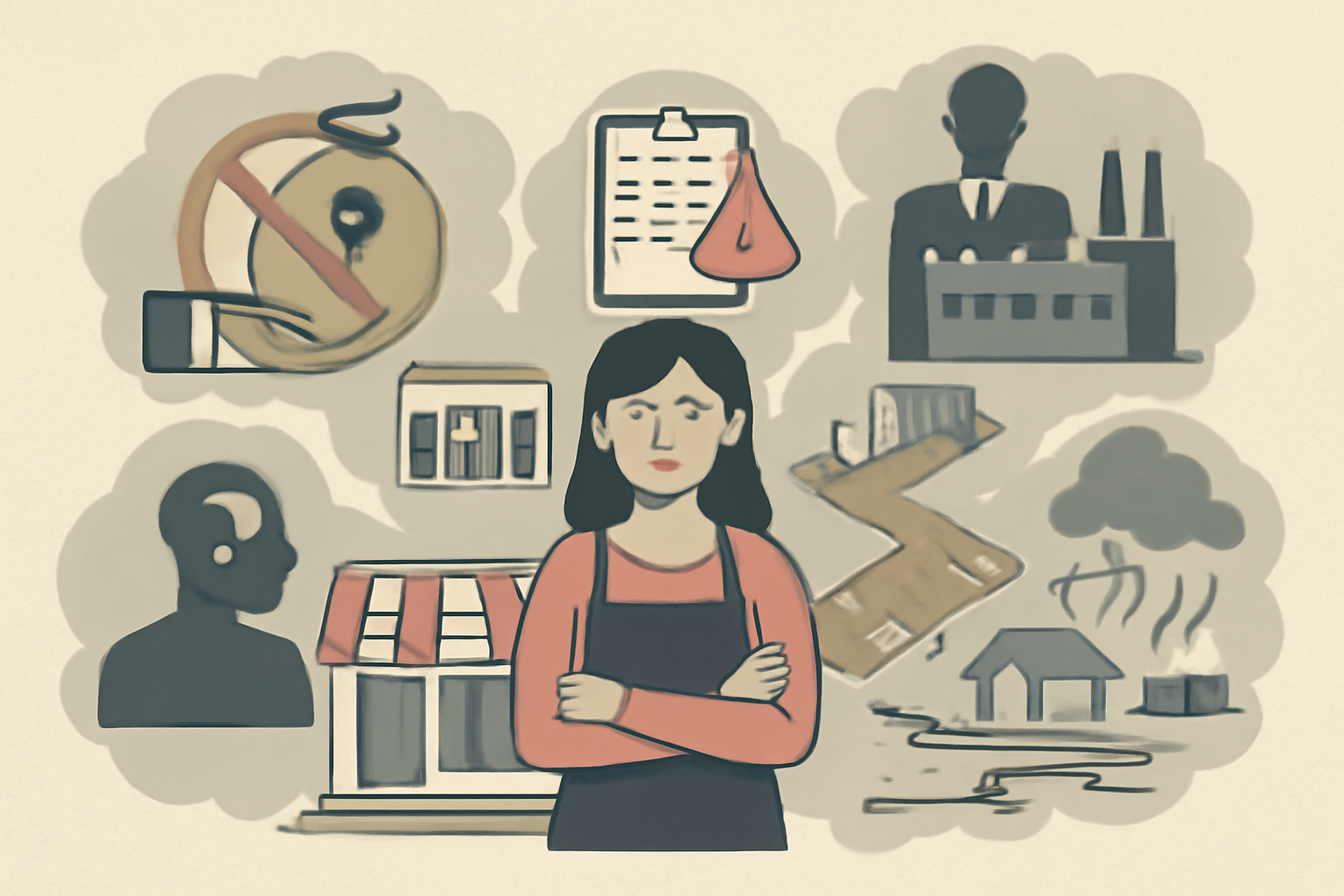
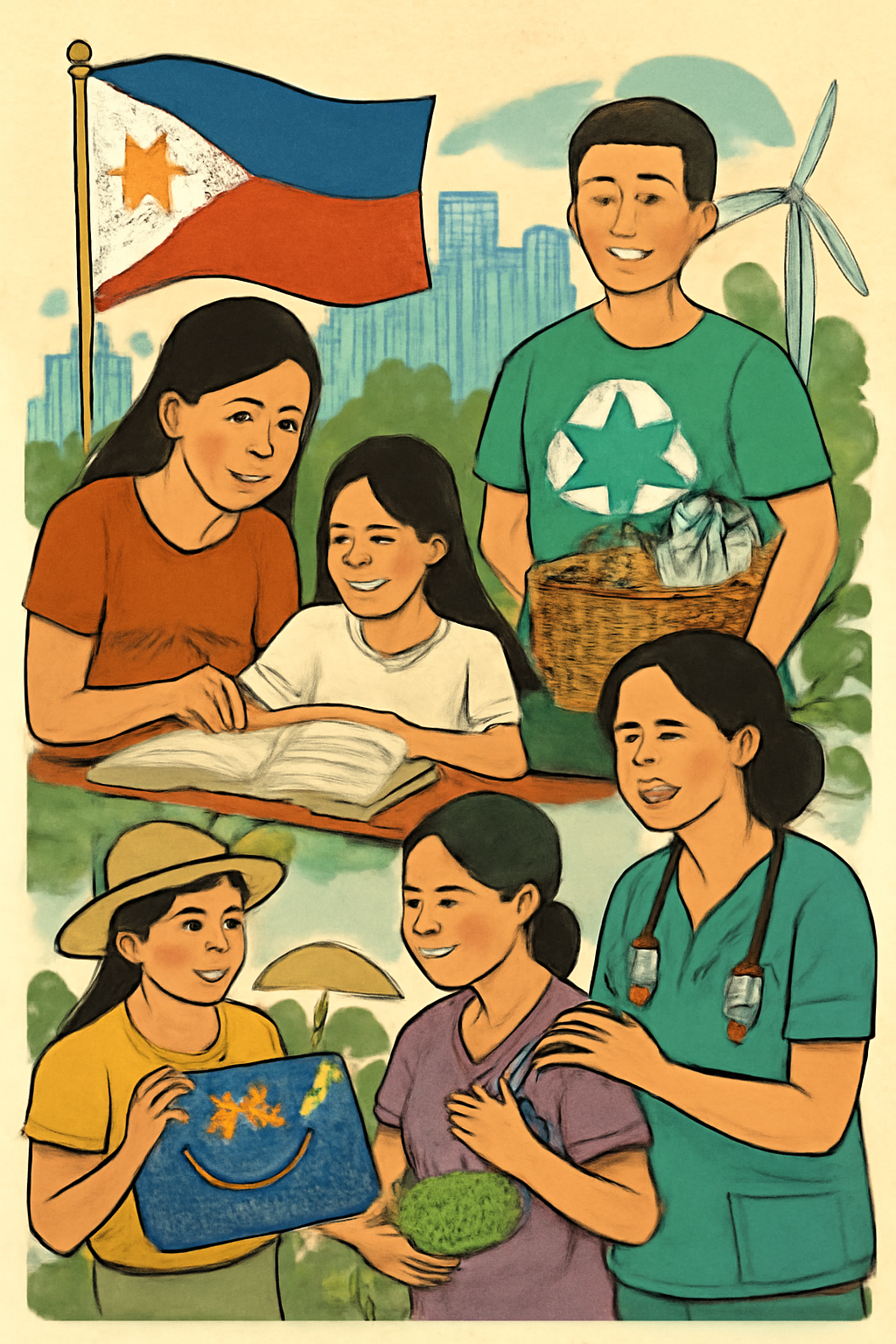
Social entrepreneurship is a growing movement in the Philippines, one that combines the principles of business with the mission to address social issues. From environmental sustainability to poverty alleviation and educational access, social entrepreneurs in the Philippines are developing innovative solutions to tackle some of the country’s most persistent challenges.
Social entrepreneurs in the Philippines focus on creating businesses that generate both profit and social good. Rather than pursuing traditional business goals of maximizing profits, these entrepreneurs use their ventures as vehicles for change, aiming to make a positive impact on the lives of those who need it most. In doing so, they are addressing the country’s key issues and contributing to long-term societal change.
Empowering Communities
The Philippines is home to a significant number of rural communities where poverty remains widespread. Many social entrepreneurs are focusing on these underserved populations, offering solutions that help local businesses thrive and providing resources that contribute to community development. One such example is Gawad Kalinga, an organization that has created thriving social enterprises in rural communities. Gawad Kalinga supports local entrepreneurs by providing training, market access, and sustainable livelihood programs.
Another noteworthy initiative is Manila Water Foundation, which provides water access and sanitation solutions in underserved areas. Access to clean water is one of the country’s most pressing needs, and this initiative helps improve both public health and economic well-being by ensuring that communities have reliable water supplies.
Promoting Sustainable Business Practices
Sustainability is an increasingly important concern for Filipino social enterprises. With environmental issues like waste management and climate change being major challenges, many social entrepreneurs are seeking innovative ways to minimize their environmental impact. Companies like Grit PH, which repurposes materials from construction waste to create eco-friendly construction materials, are demonstrating the potential for businesses to support both environmental sustainability and economic growth.
Social entrepreneurs are also promoting green business practices among small and medium-sized enterprises (SMEs), providing solutions that reduce waste, encourage the use of renewable energy, and promote sustainable agriculture practices.
Education as a Tool for Empowerment
Access to education is another area where social entrepreneurship is making strides in the Philippines. With a large portion of the population in rural areas, many students lack access to quality education and career opportunities. Social enterprises like Edukasyon.ph are playing a pivotal role in bridging this gap by offering educational resources and career guidance to underserved communities.
These businesses help students navigate the education system, find scholarships, and gain employment after graduation. By offering affordable education and career development tools, these initiatives are helping young Filipinos build better futures.
Social entrepreneurship in the Philippines is proving to be a dynamic and impactful sector, one that is addressing the country’s most pressing social, environmental, and economic challenges. Through innovative business models, these social enterprises are changing lives, creating opportunities, and building a brighter future for Filipinos across the nation.