Small and Medium Enterprises (SMEs) are vital players in the Philippine economy, providing a significant number of jobs and contributing to economic development. However, these businesses often face a range of challenges that hinder their ability to grow and succeed in a competitive environment. These challenges range from financial difficulties to operational inefficiencies, making it important to examine the barriers that SMEs face and explore ways to overcome them.
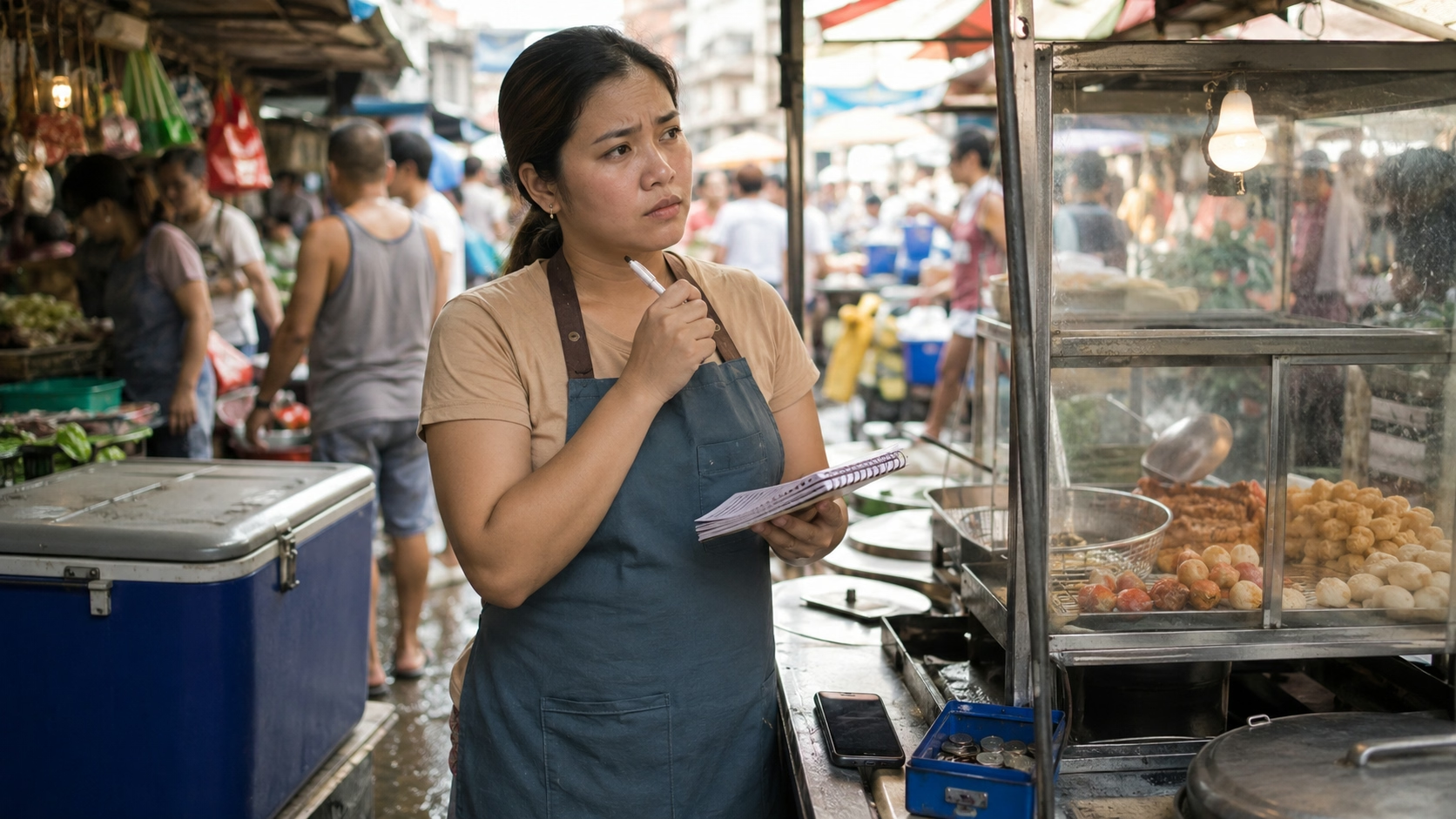
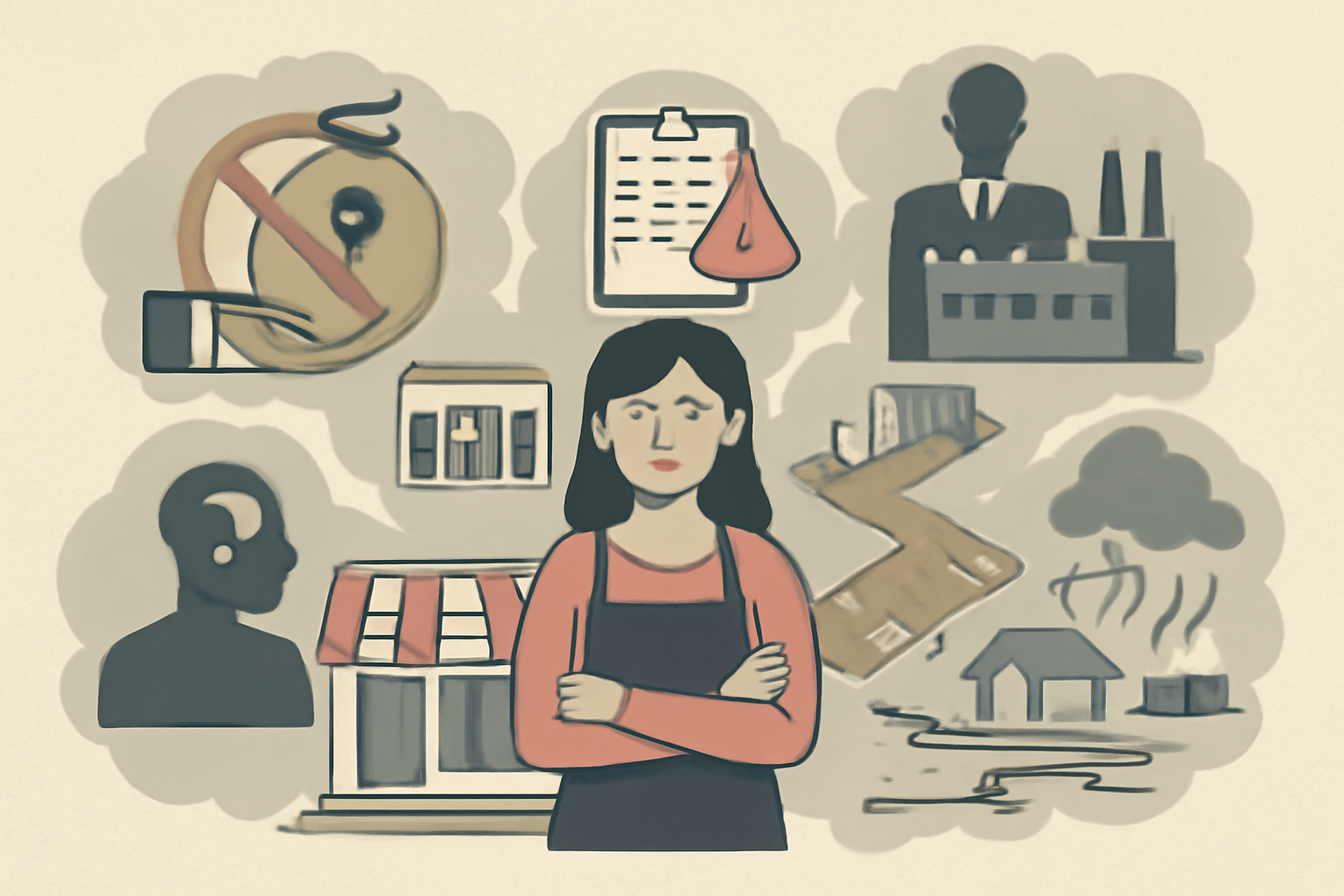
One of the biggest challenges faced by SMEs is the difficulty in securing financing. Traditional lending institutions are often reluctant to extend credit to small businesses due to their limited collateral and lack of financial history. As a result, many small business owners are forced to rely on personal savings or informal lending networks, which may not be sufficient to sustain or grow the business.
Regulatory issues also pose a significant challenge to SMEs in the Philippines. The process of obtaining permits and licenses can be lengthy and confusing, especially for business owners who are not familiar with the regulatory landscape. The lack of streamlined procedures and inconsistent enforcement of regulations further complicates the process, making it difficult for small businesses to comply with the law and avoid penalties.
Finding skilled workers is another challenge for SMEs. Many small businesses in the Philippines struggle to find employees with the right skills and expertise to meet the demands of the industry. The mismatch between the skills of the workforce and the needs of businesses exacerbates the problem, making it difficult for SMEs to build a competent team capable of driving growth.
Moreover, SMEs often face fierce competition from larger firms that have the resources to invest in advanced technologies, marketing campaigns, and economies of scale. These larger corporations can offer better prices and more attractive products, leaving smaller businesses with fewer opportunities to succeed in the marketplace.
Logistical challenges also plague SMEs in the Philippines, particularly those operating in rural areas. Poor infrastructure, including inadequate transportation networks and unreliable internet access, hampers the ability of businesses to operate efficiently and reach new customers. This results in higher costs and limited market access for many small businesses.
Lastly, external factors such as economic fluctuations, political instability, and natural disasters can also significantly affect SMEs. The unpredictability of these factors creates an uncertain business environment, making it harder for SMEs to plan for the future and manage risks effectively.
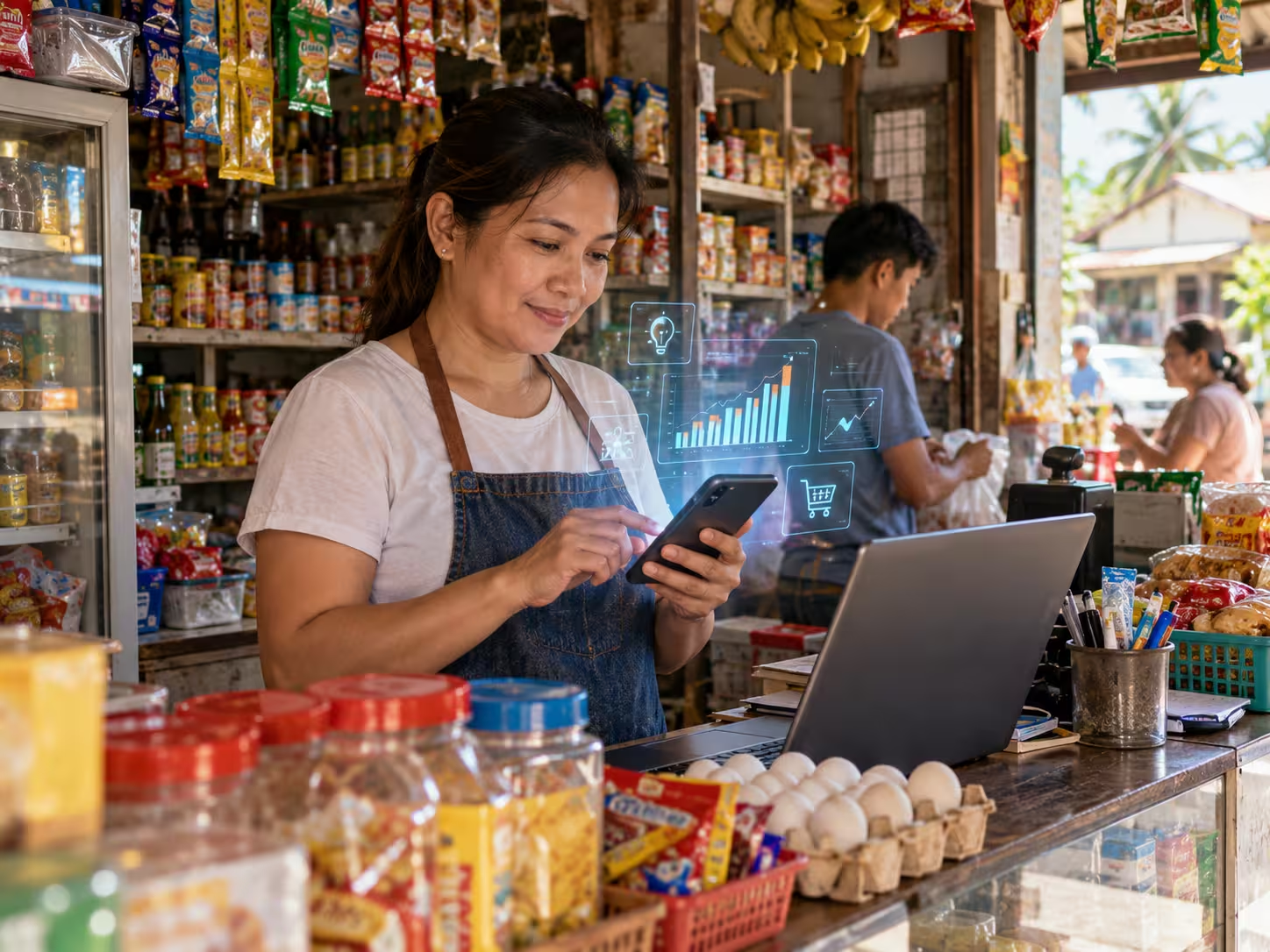
While these challenges are substantial, many SMEs in the Philippines have demonstrated resilience and innovation in overcoming them. Government initiatives aimed at supporting SMEs, such as low-interest loans and business development programs, are critical to helping small businesses overcome financial barriers. Additionally, the adoption of digital tools and technology can help SMEs streamline operations and expand their reach. By addressing these challenges and creating a supportive ecosystem, SMEs can thrive and continue to drive economic growth.