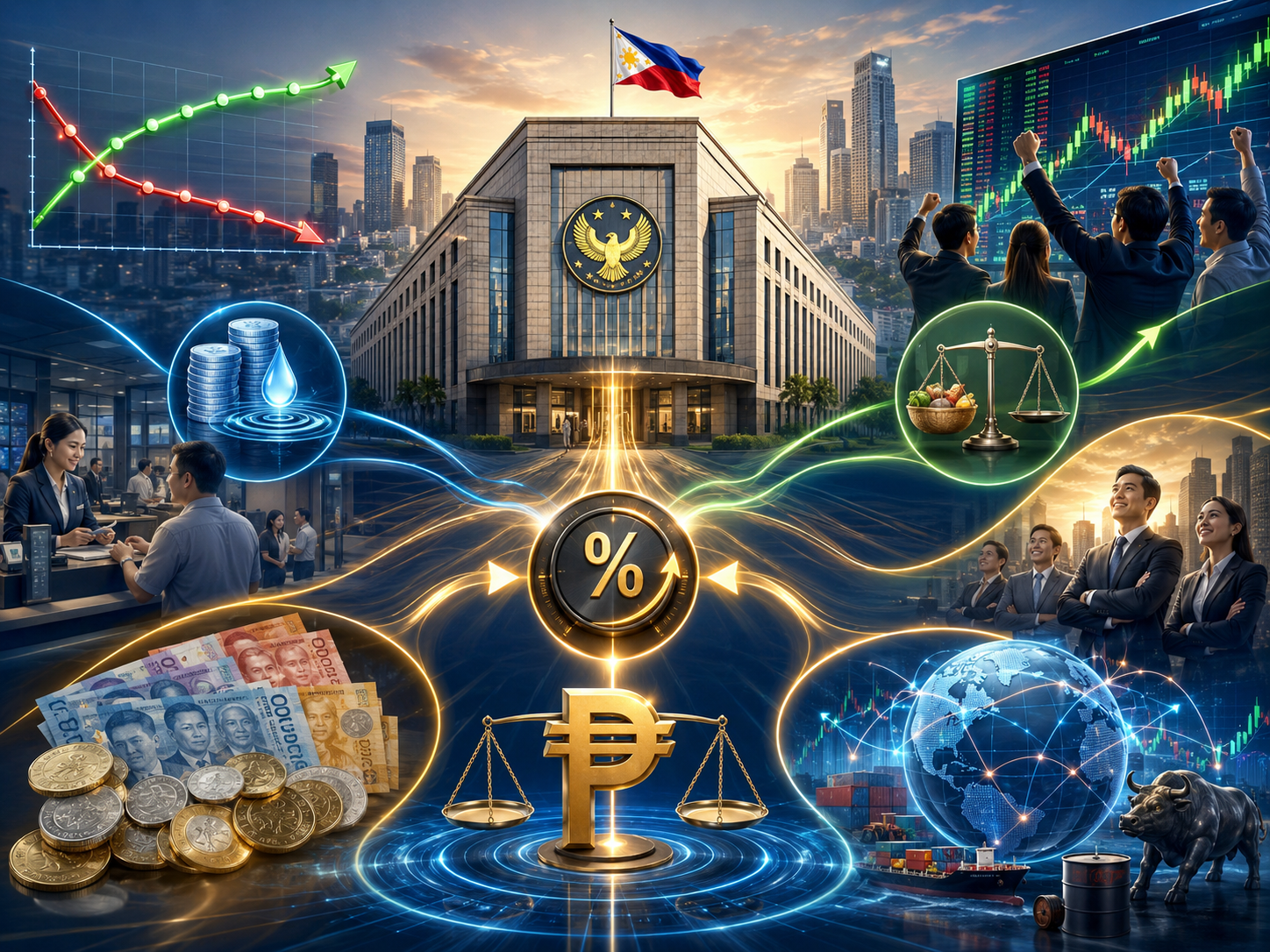

The Philippines has witnessed a dramatic transformation in its economy over the past decade, and the role of the banking sector in supporting this change cannot be overstated. With the rise of digital technology, Filipino banks are embracing innovation and playing a pivotal role in driving the country’s digital economy forward. This article will examine how banks in the Philippines are contributing to economic growth through digital banking services and initiatives.
One of the most significant contributions of Filipino banks to the digital economy is their role in expanding digital payment systems. As more people prefer to make payments through their mobile phones or online platforms, banks have responded by creating user-friendly apps and digital wallets. These platforms allow customers to perform a wide range of financial transactions, including bill payments, money transfers, and investments, without the need to visit a physical branch. This shift toward digital payments has led to a more efficient and secure financial system, making it easier for individuals and businesses to engage in economic activities.
In addition to digital payments, the banking sector is also facilitating greater financial inclusion. While many Filipinos still lack access to traditional banking services, digital banking has opened up new opportunities for them to participate in the economy. Through mobile banking and digital wallets, even people in remote areas can now access financial services such as savings accounts, loans, and insurance. This has been instrumental in empowering individuals who were previously excluded from the formal financial system, and it is helping to create a more inclusive digital economy.
Another key area where Filipino banks are driving economic growth is by supporting the development of small businesses. SMEs are a vital part of the Philippine economy, but they often face challenges in securing financing. Banks have responded by offering digital lending platforms, allowing businesses to apply for loans online and receive approval more quickly. This has made it easier for small businesses to access the capital they need to grow, create jobs, and contribute to the country’s economic expansion.
The collaboration between traditional banks and fintech companies has also been crucial in driving innovation in the financial sector. Fintech firms have introduced cutting-edge technologies, such as blockchain, to the financial industry, and many banks have partnered with these companies to offer new services. From faster money transfers to alternative lending options, these partnerships have created a more dynamic and flexible financial ecosystem, benefiting both businesses and consumers.
While the digital transformation brings numerous advantages, it also raises concerns about cybersecurity. With an increasing number of financial transactions taking place online, the risk of fraud and cyberattacks grows. Filipino banks have responded to these threats by investing in advanced cybersecurity technologies, such as encryption and multi-factor authentication, to protect their customers’ data and maintain trust in digital services.
In summary, banks in the Philippines are playing an integral role in fostering the growth of the country’s digital economy. By providing innovative digital services, promoting financial inclusion, supporting SMEs, and collaborating with fintech companies, Filipino banks are laying the groundwork for a more prosperous and inclusive economic future.