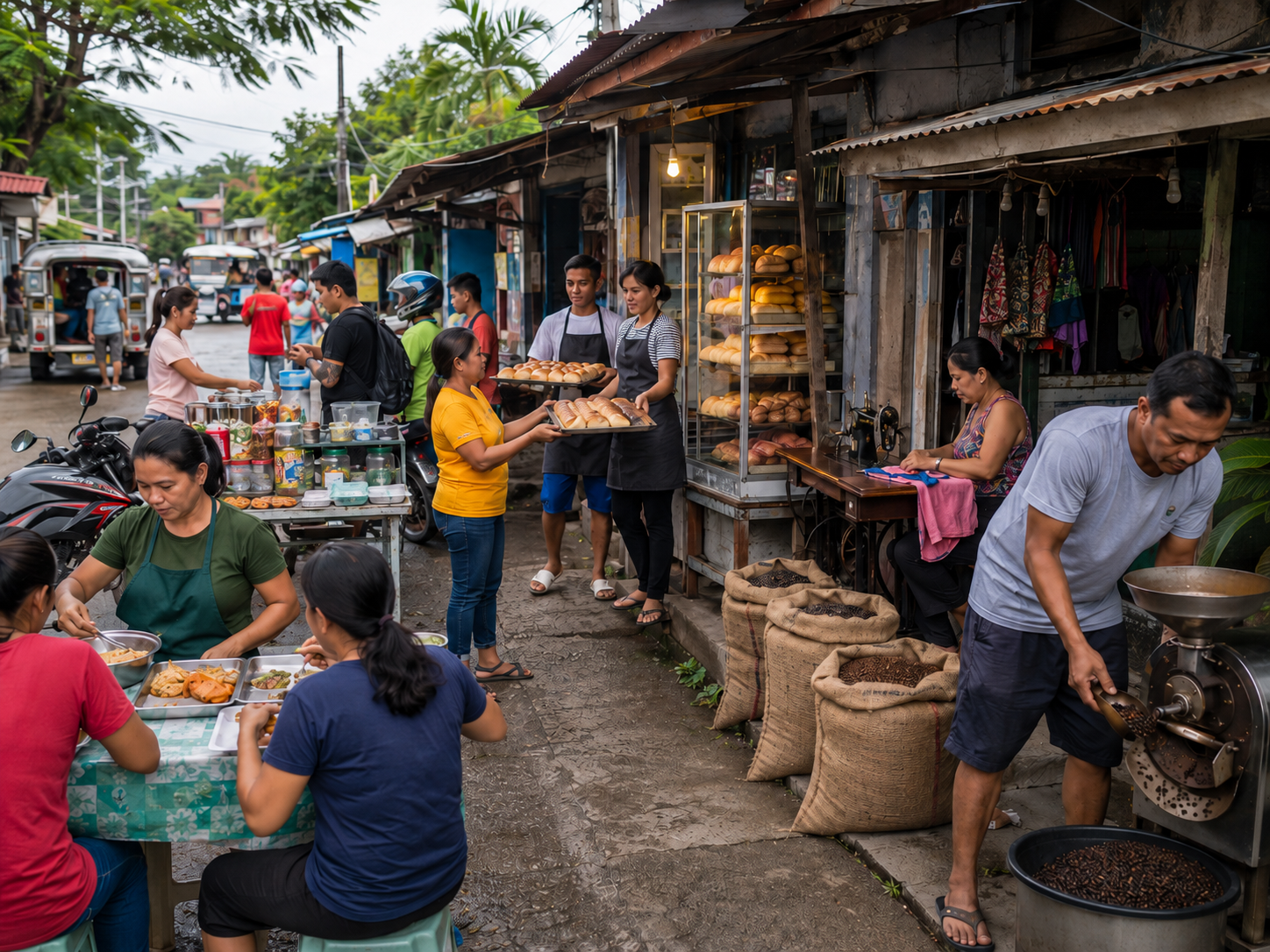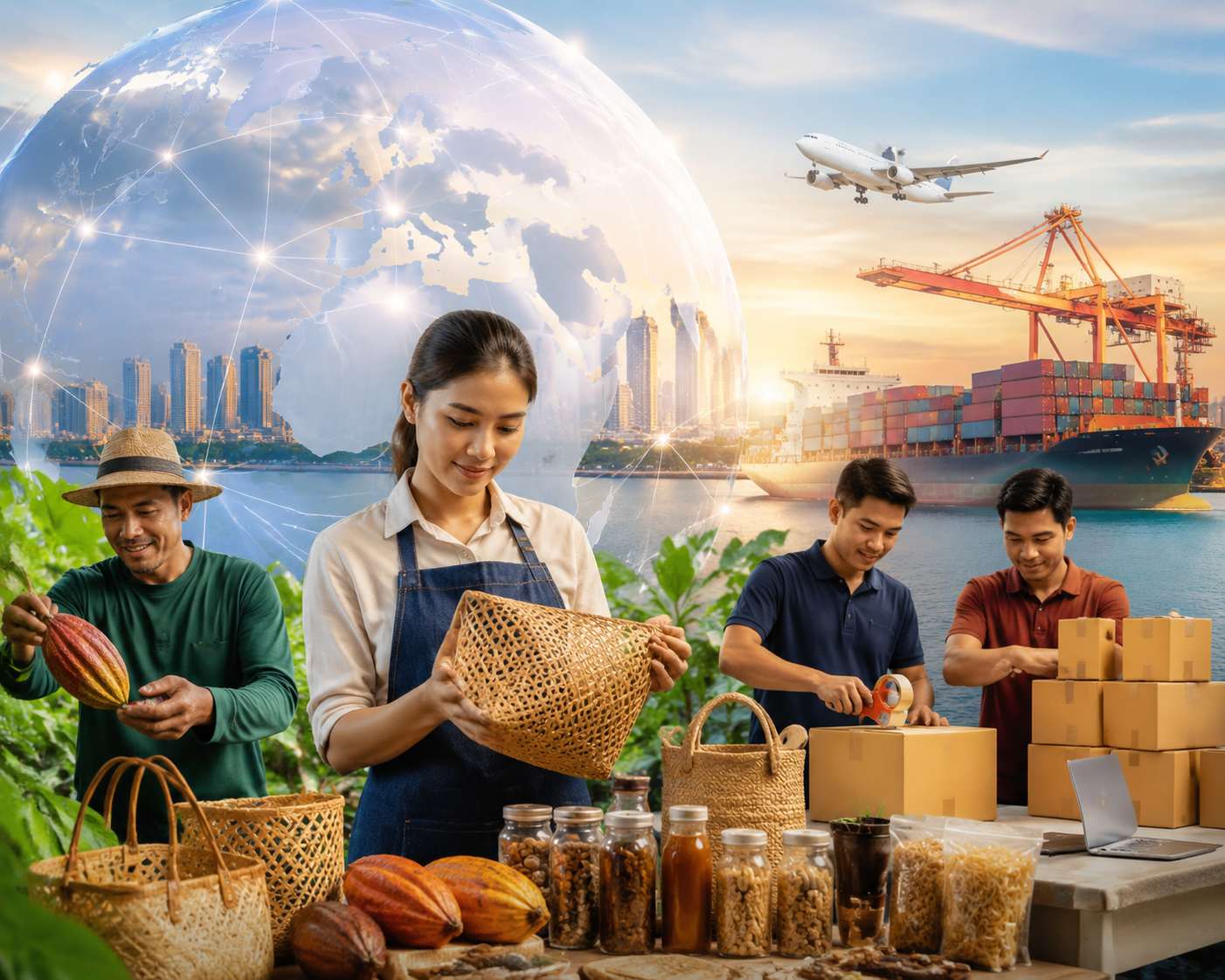

The post-pandemic business environment in the Philippines has encouraged MSMEs to rethink not only how they generate income but also how they create value for communities and customers.
Many entrepreneurs are moving beyond traditional profit-focused approaches by adopting sustainable practices, supporting local suppliers, and building stronger relationships with communities.
This shift represents a new business philosophy where resilience, environmental responsibility, and social impact become important competitive advantages.
Local Supply Chains Become a Strategic Priority
The pandemic revealed vulnerabilities in global supply chains. Delays in transportation, shortages of materials, and increasing costs encouraged Filipino businesses to strengthen local sourcing networks.
Many MSMEs began working with local farmers, artisans, and domestic manufacturers to secure more reliable supplies.
For example, local food entrepreneurs increasingly collaborate with nearby agricultural producers instead of depending entirely on imported ingredients.
This approach helps reduce supply risks while supporting local economic development.
Sustainable Products Attract Modern Consumers
Consumer behavior in the Philippines has also changed. More customers are becoming interested in businesses that demonstrate environmental awareness and social responsibility.
MSMEs are responding by introducing eco-friendly packaging, locally produced goods, recycled materials, and ethical sourcing practices.
Small brands that communicate their sustainability efforts effectively can build stronger emotional connections with customers.
Sustainability has become not only a social responsibility but also a marketing advantage.
Community-Based Entrepreneurship Creates Inclusive Growth
Many Philippine MSMEs are using community-based models to expand economic opportunities.
Social enterprises, cooperatives, and local businesses increasingly focus on empowering communities through employment, skills development, and fair partnerships.
This model is especially relevant in rural areas where entrepreneurship can provide alternative sources of income.
According to the Philippine Statistics Authority, MSMEs continue to represent the overwhelming majority of businesses in the country, making their development essential for inclusive economic growth.
Reference:
https://psa.gov.ph/statistics/business-and-industry
Tourism and Local Experiences Create New Opportunities
The recovery of Philippine tourism has also created opportunities for community-based businesses.
Local tour operators, food producers, cultural groups, and handicraft sellers are developing experience-based business models.
Instead of only selling products, entrepreneurs now sell stories, traditions, and authentic local experiences.
This approach helps differentiate small businesses from mass-market competitors.
Challenges in Building Sustainable Business Models
Although sustainability offers opportunities, implementation can be difficult for small enterprises.
Eco-friendly materials may cost more, and sustainable operations often require additional planning and investment.
Therefore, MSMEs need access to education, financing, and government support to successfully integrate sustainable practices.
The New Direction of Filipino Entrepreneurship
Sustainable and community-driven models demonstrate how Philippine MSMEs are evolving after the pandemic.
Businesses that combine economic goals with social and environmental responsibility are creating stronger foundations for long-term growth.
The future of entrepreneurship in the Philippines is increasingly connected to local empowerment, responsible production, and meaningful customer relationships.