MSMEs as the Foundation of Community Economic Stability
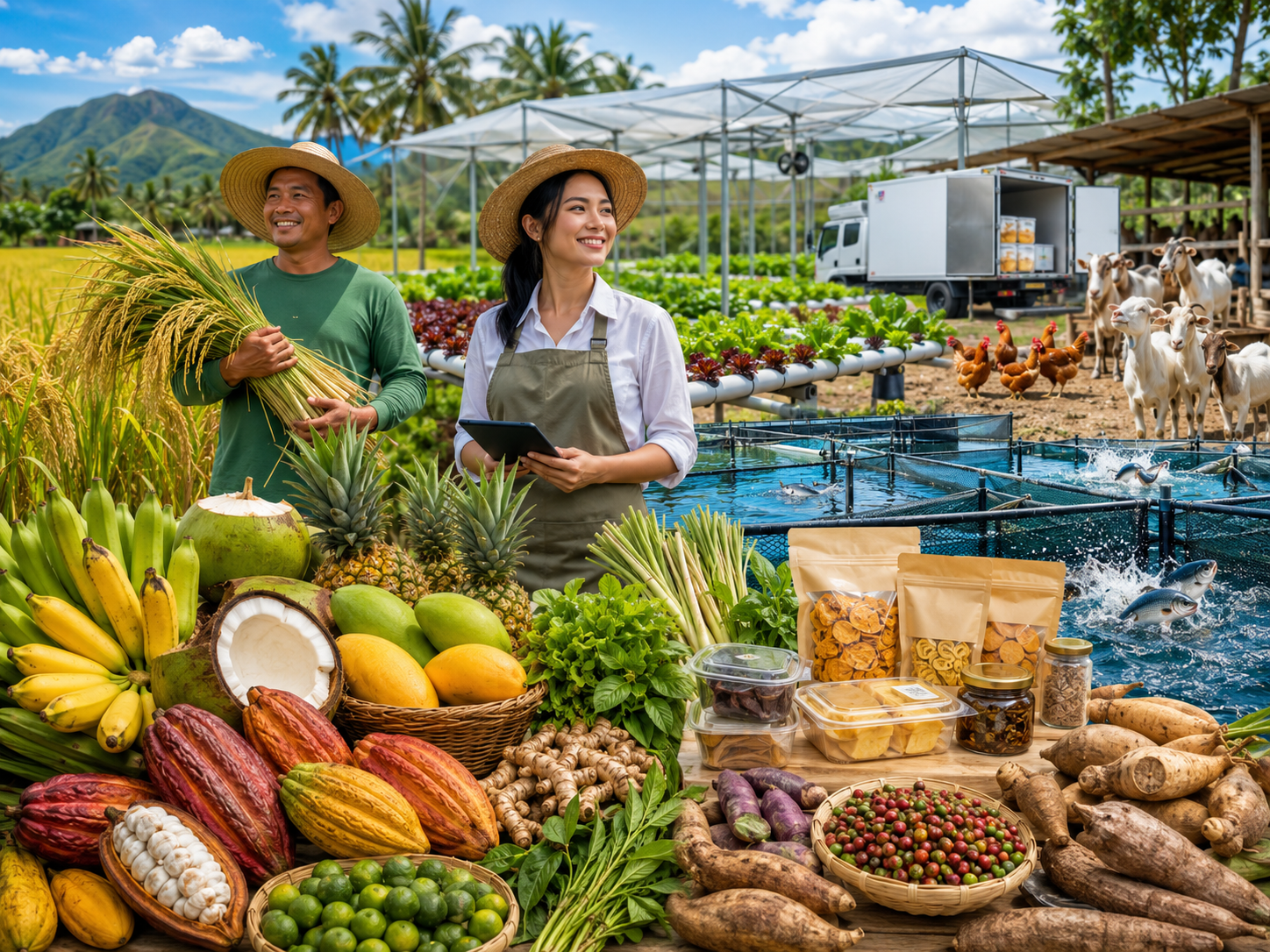
Across the Philippines, micro, small, and medium enterprises (MSMEs) have become essential drivers of local economic stability. From neighborhood retailers and agricultural producers to tourism businesses and service providers, MSMEs provide income opportunities for millions of Filipino families.
However, these businesses are also among the most vulnerable during economic disruptions. Limited financial resources, dependence on local customers, and restricted access to technology often make small enterprises less prepared for sudden challenges.
To address these vulnerabilities, Philippine local government units (LGUs) have expanded partnerships with MSMEs through entrepreneurship programs, recovery initiatives, and market development strategies.
These collaborations demonstrate that supporting small businesses is not only a business issue but also a community development strategy.
According to the Philippine Statistics Authority (PSA), MSMEs continue to dominate the Philippine business landscape, representing almost all registered enterprises in the country.
Official data:
https://psa.gov.ph/business-and-industry
The large contribution of MSMEs explains why strengthening their capacity has become a priority for local economic planning.
Supporting Economic Recovery Through Local Business Programs
One of the most visible impacts of government-MSME collaboration has been the ability of communities to recover faster from economic disruptions.
Following the COVID-19 pandemic, many Philippine entrepreneurs faced declining sales, supply chain problems, and operational challenges. Local governments responded by creating programs that helped businesses reopen and adapt.
These initiatives included:
Entrepreneurship Training
Local governments partnered with national agencies to provide workshops on business planning, financial management, and customer development.
Market Access Assistance
MSMEs were given opportunities to participate in local trade fairs, government-supported exhibitions, and digital selling platforms.
Business Registration Support
Simplified processes helped informal businesses transition into more organized enterprises.
These programs reduced barriers for entrepreneurs and allowed small businesses to rebuild their operations.
Strengthening Local Employment Opportunities
A major benefit of MSME-government partnerships is employment creation.
Large corporations often concentrate economic opportunities in major cities, but MSMEs distribute income generation across provinces and smaller communities.
When local governments support entrepreneurs, they indirectly encourage job creation within their own regions.
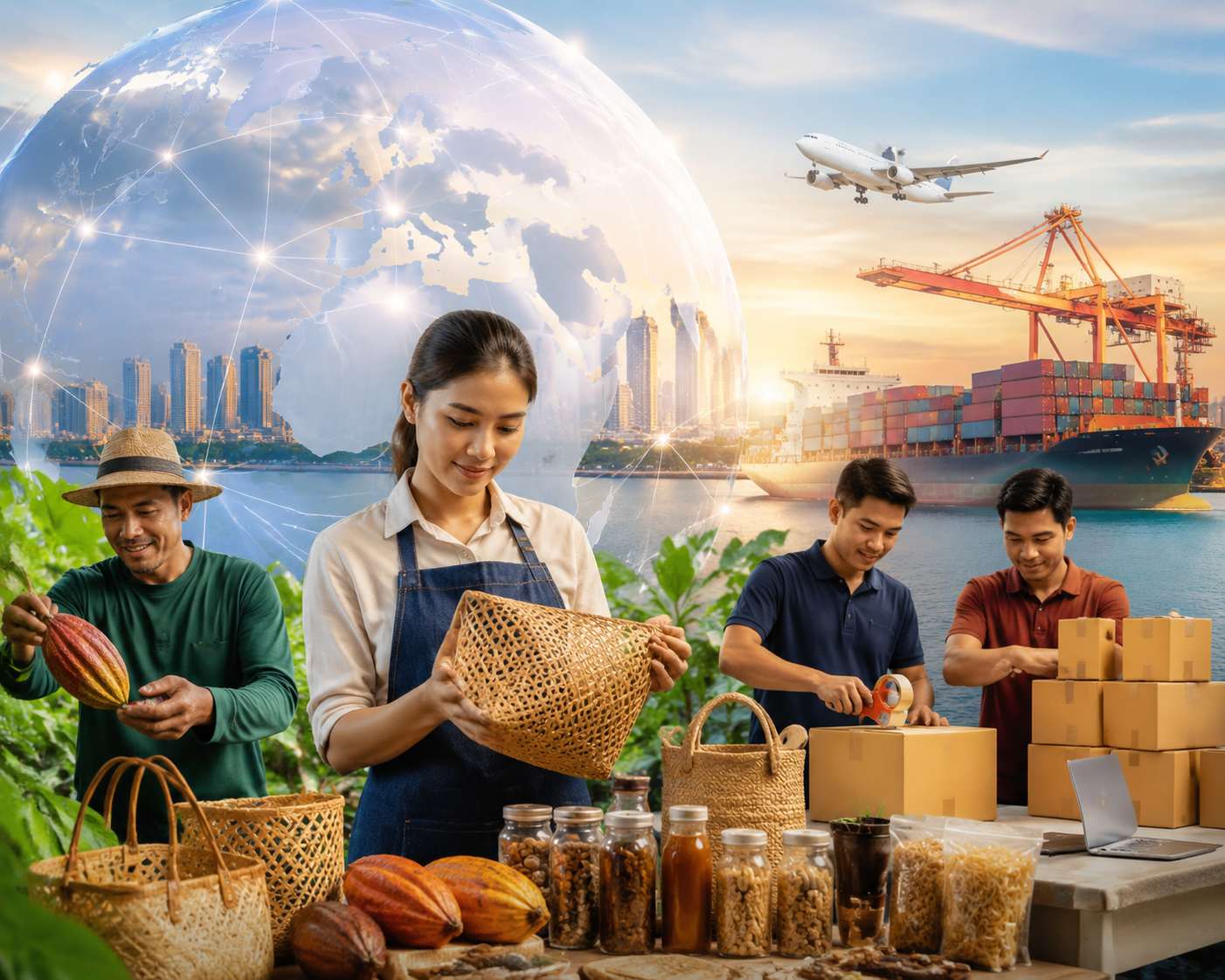
For example, community-based enterprises involved in food production, handicrafts, agriculture, and tourism can expand their operations when they receive better market access and business guidance.
This creates a stronger local economic cycle:
- Government provides support and resources.
- MSMEs improve productivity and expand operations.
- Businesses create more employment opportunities.
- Communities experience increased income circulation.
This model allows economic development to become more inclusive.
Promoting Local Products and Cultural Industries
Another important impact of government collaboration is the promotion of local identity through MSME products.
Many Philippine communities have unique products based on traditional skills, agriculture, and cultural heritage.
Local government initiatives often help these businesses improve branding, packaging, and promotion so they can reach broader markets.
Examples include:
- Local food producers promoting regional specialties.
- Artisan communities expanding handicraft sales.
- Tourism-related MSMEs developing community experiences.
By supporting these enterprises, governments help preserve cultural industries while generating economic value.
Building Long-Term Business Resilience
While government assistance can provide immediate support, the long-term goal is creating stronger and more independent MSMEs.
Future partnerships are expected to focus on innovation, sustainability, digital transformation, and international market access.
Local governments can continue strengthening entrepreneurs by improving business education, encouraging technology adoption, and developing stronger connections between MSMEs and private-sector partners.
The Philippine experience shows that successful economic development requires cooperation between government institutions and local entrepreneurs.
When MSMEs receive the right support system, they become more than small businesses—they become important contributors to community resilience and national economic progress.