
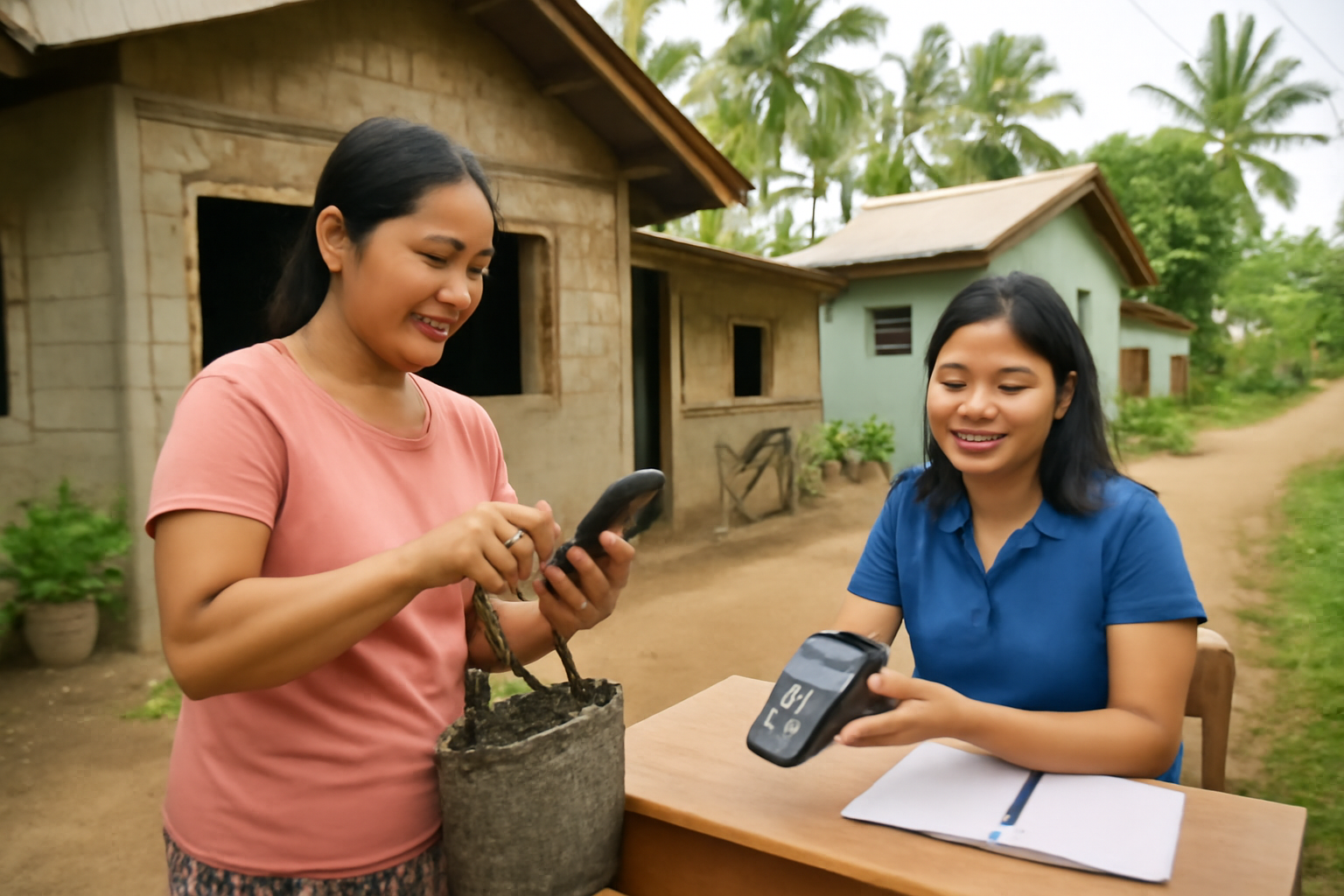
Access to financial services in the Philippines has been a long-standing issue, especially for those living in remote and underserved areas. The country’s rural population, which makes up a significant portion of its total demographic, often finds themselves excluded from the formal banking system. This lack of financial access severely limits opportunities for personal growth, entrepreneurship, and overall economic mobility.
As of 2021, it was estimated that nearly 70% of Filipinos were unbanked, meaning they had no access to a bank account, credit, or insurance. This statistic highlights the urgency of addressing financial exclusion, particularly in the context of rural and remote communities, where geographic isolation and lack of infrastructure pose significant challenges.
The Philippine government’s response to this issue has been the implementation of the National Financial Inclusion Strategy (NFIS), which aims to bring more Filipinos into the formal financial system by improving access to savings, loans, insurance, and payment services. One key aspect of this strategy is the promotion of digital financial services, which have become increasingly viable even in remote areas due to the widespread use of mobile phones and the internet.
Mobile money services like GCash, PayMaya, and others have already revolutionized the financial landscape in the Philippines. They allow users to send and receive money, pay bills, and buy products without needing to visit a physical bank branch. These services are particularly useful in rural areas where traditional bank branches are few and far between. The expansion of mobile wallets has made it possible for individuals in even the most remote barangays (villages) to participate in the digital economy.
In addition to digital payment systems, microfinance institutions (MFIs) are playing a critical role in reaching the underserved. MFIs provide small loans and financial services tailored to low-income individuals and families, helping them start or expand small businesses. These institutions often accompany their loans with financial education programs that teach borrowers about budgeting, savings, and investment, helping them build better financial habits.
Cooperatives also play a vital role in rural financial inclusion. These member-based organizations offer a variety of financial services such as savings accounts, insurance, and loans at competitive interest rates. Because they are community-based, cooperatives can more easily build trust with local residents and encourage them to participate in the financial system.
Despite the positive strides being made, significant challenges remain. Rural areas still struggle with inadequate internet connectivity, and many people remain unfamiliar with digital financial tools. Additionally, there are still large gaps in financial literacy, which prevent people from fully understanding how to manage and grow their finances effectively. Addressing these gaps will require ongoing efforts from both the government and the private sector to invest in infrastructure, education, and outreach.