
The Philippines’ banking sector has undergone a remarkable evolution, with digitalization playing a central role in reshaping how financial services are delivered. This shift is being fueled by advancements in mobile technology, the growing acceptance of digital wallets, and the increased need for secure, accessible banking solutions.
Mobile banking services have become a game-changer for the Philippine banking industry. With a large proportion of the population owning smartphones, banks are increasingly focusing on offering mobile applications that enable users to perform financial transactions from the convenience of their smartphones. These apps provide an array of services such as bill payments, money transfers, and balance inquiries, making banking more convenient for Filipinos across the country.
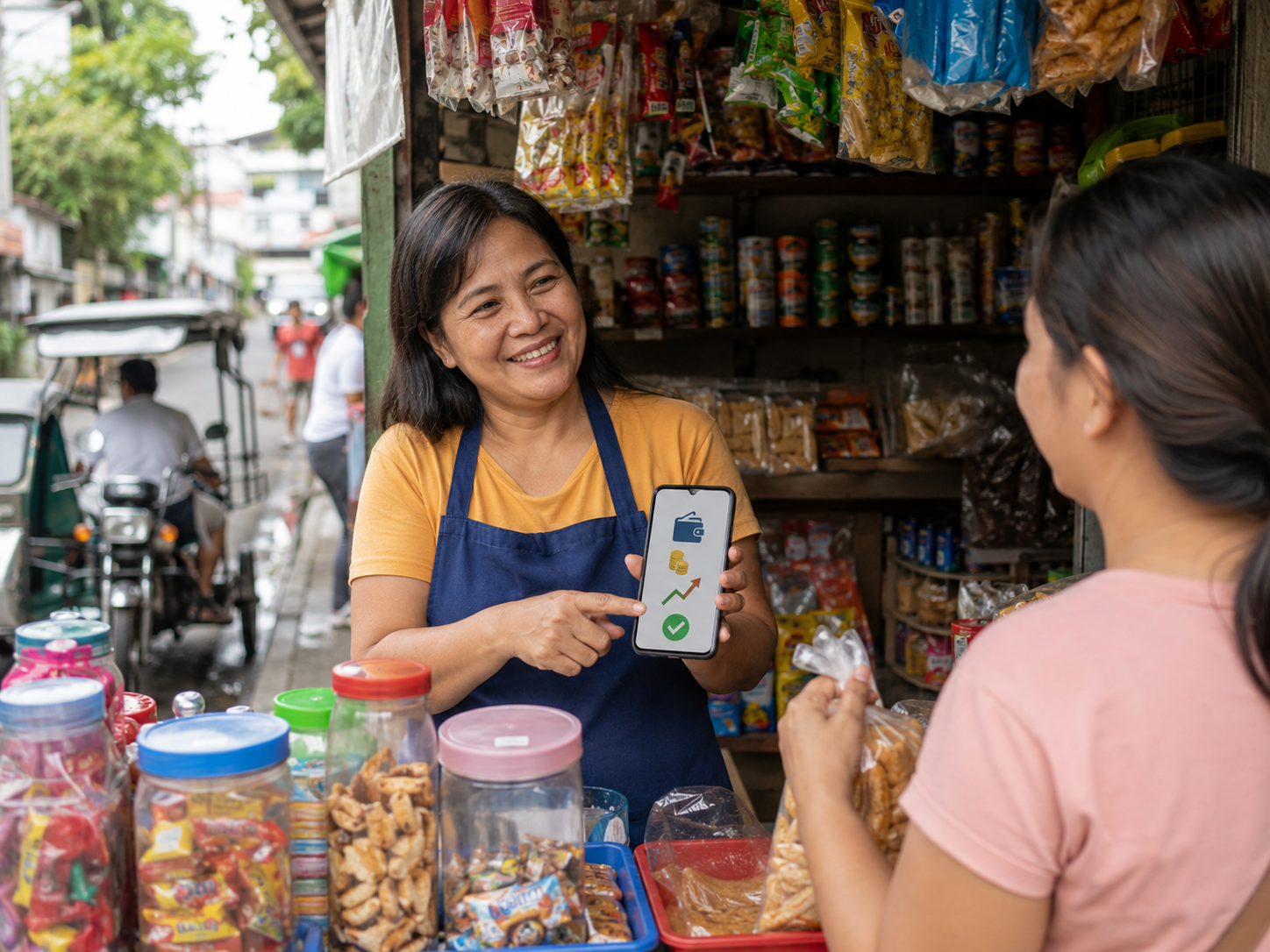
In addition to mobile banking, digital payment systems have gained significant traction. Digital wallets like GCash and PayMaya have revolutionized the way people make payments, allowing users to send money, pay for goods and services, and even invest—all from their mobile devices. These innovations are particularly beneficial in promoting financial inclusion, as they allow people who do not have access to traditional banking services to engage in financial transactions.
Furthermore, the Philippine government, through the Bangko Sentral ng Pilipinas (BSP), has been actively promoting the adoption of a cashless economy. Policies such as the National Retail Payment System (NRPS) are encouraging the use of digital payments, which helps streamline financial transactions and reduce the reliance on cash.
Looking ahead, the future of banking in the Philippines will likely be shaped by continued advancements in technology. Innovations such as blockchain, AI, and biometric security are expected to further enhance the efficiency and security of digital banking services, paving the way for even greater adoption of digital financial solutions.