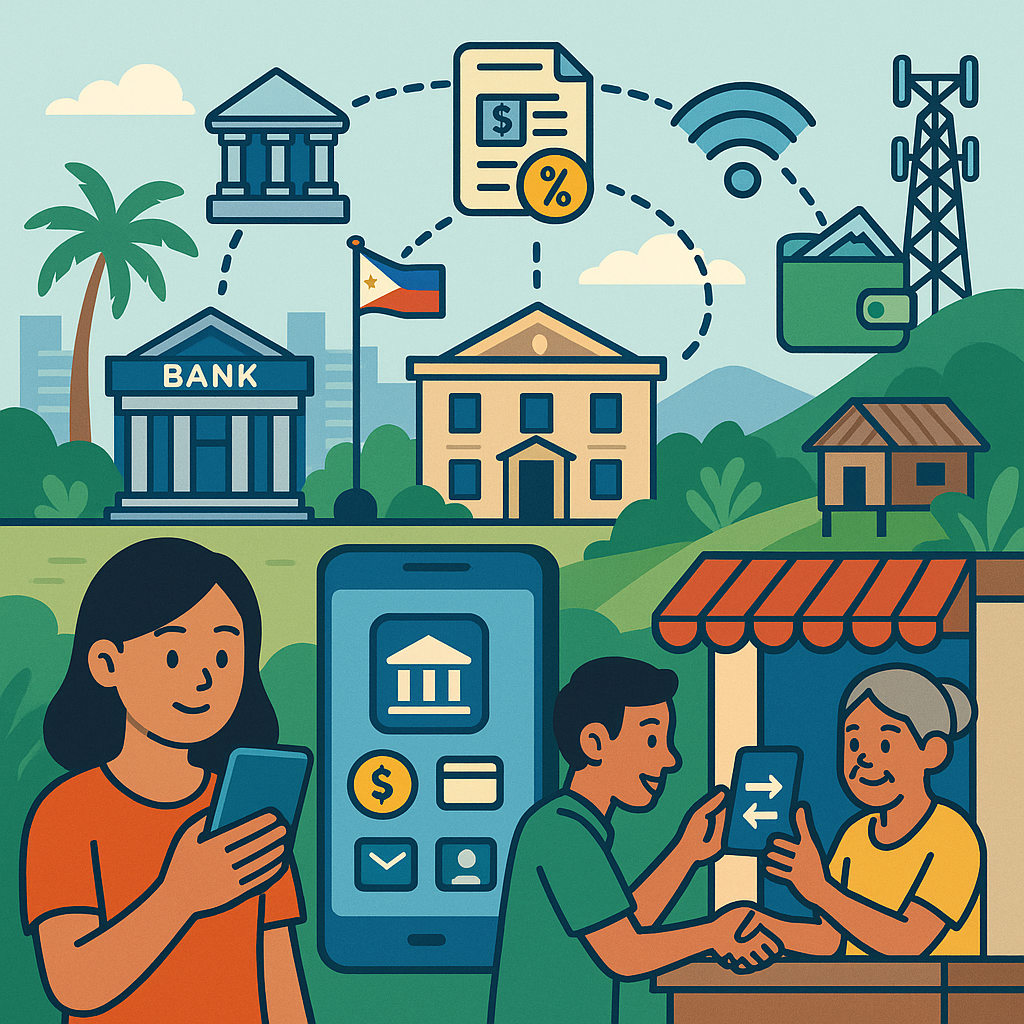

As one of the countries most exposed to typhoons, sea-level rise, and extreme heat, the Philippines faces a dual challenge: financing both decarbonization and climate adaptation. In 2026, a new wave of capital is targeting resilience—through blue bonds, multilateral loans, and private insurance-linked instruments.
Why Adaptation Finance Is No Longer a Side Topic
The Philippines ranks among the highest in global disaster risk indices, with annual losses from typhoons and floods often exceeding 1% of GDP. Traditional mitigation finance—solar farms, wind parks—has dominated green investment, but adaptation is catching up. Water systems, coastal protection, flood control, and climate-resilient agriculture require enormous capital, and development finance institutions are stepping in.
ADB and Multilateral Catalysts
The Asian Development Bank has expanded its green and climate finance support for the Philippines, including loans for climate-resilient infrastructure and disaster risk management. The ADB’s Philippines country page on green financing (https://www.adb.org/, accessed August 2026) details active projects and co-financing opportunities. In 2026, ADB financing is often blended with private capital, reducing risk for commercial investors entering adaptation projects.
Blue Bonds and the Marine Economy Opportunity
The Philippines has pioneered blue bond issuance in Asia. In 2022, the World Bank priced a blue bond for the Philippines focused on marine conservation and plastic waste reduction, and local banks have explored similar structures. Blue bonds earmark proceeds for ocean-related projects—coastal ecosystem restoration, sustainable fisheries, and wastewater treatment. For investors, blue bonds offer a thematic fixed-income product that aligns with biodiversity and climate resilience goals while supporting a country with one of the world’s longest coastlines.
Disaster Risk Financing and Insurance-Linked Securities
Beyond bonds, the Philippines is developing catastrophe risk financing tools. The national parametric insurance program, supported by the World Bank and the Philippine government, provides rapid payouts after major typhoons. In 2026, discussions are advancing on issuing catastrophe bonds for the Philippines, which would transfer peak disaster risk to international capital markets. Institutional investors seeking uncorrelated returns are increasingly interested in these instruments.
The Adaptation Investment Gap
Estimates from the Asian Development Bank and the Climate Policy Initiative suggest Southeast Asia needs hundreds of billions of dollars annually for climate-resilient infrastructure. The Philippines’ own National Adaptation Plan prioritizes agriculture, water, health, and coastal zones. However, private investment remains constrained by uncertain revenue models, complex permitting, and land tenure issues. Blended finance structures—where concessional capital absorbs first losses—are emerging as the most viable path to scale.
2026 Opportunities for Investors
Investors can access adaptation finance through multilateral co-financing platforms, blue bonds issued by local banks, and private equity funds targeting climate-resilient agriculture or water infrastructure. Development finance institutions frequently publish calls for proposals and co-investment opportunities, allowing institutional investors to partner on due diligence and risk sharing. As the physical impacts of climate change intensify, adaptation finance will likely become as mainstream as renewable energy investment.