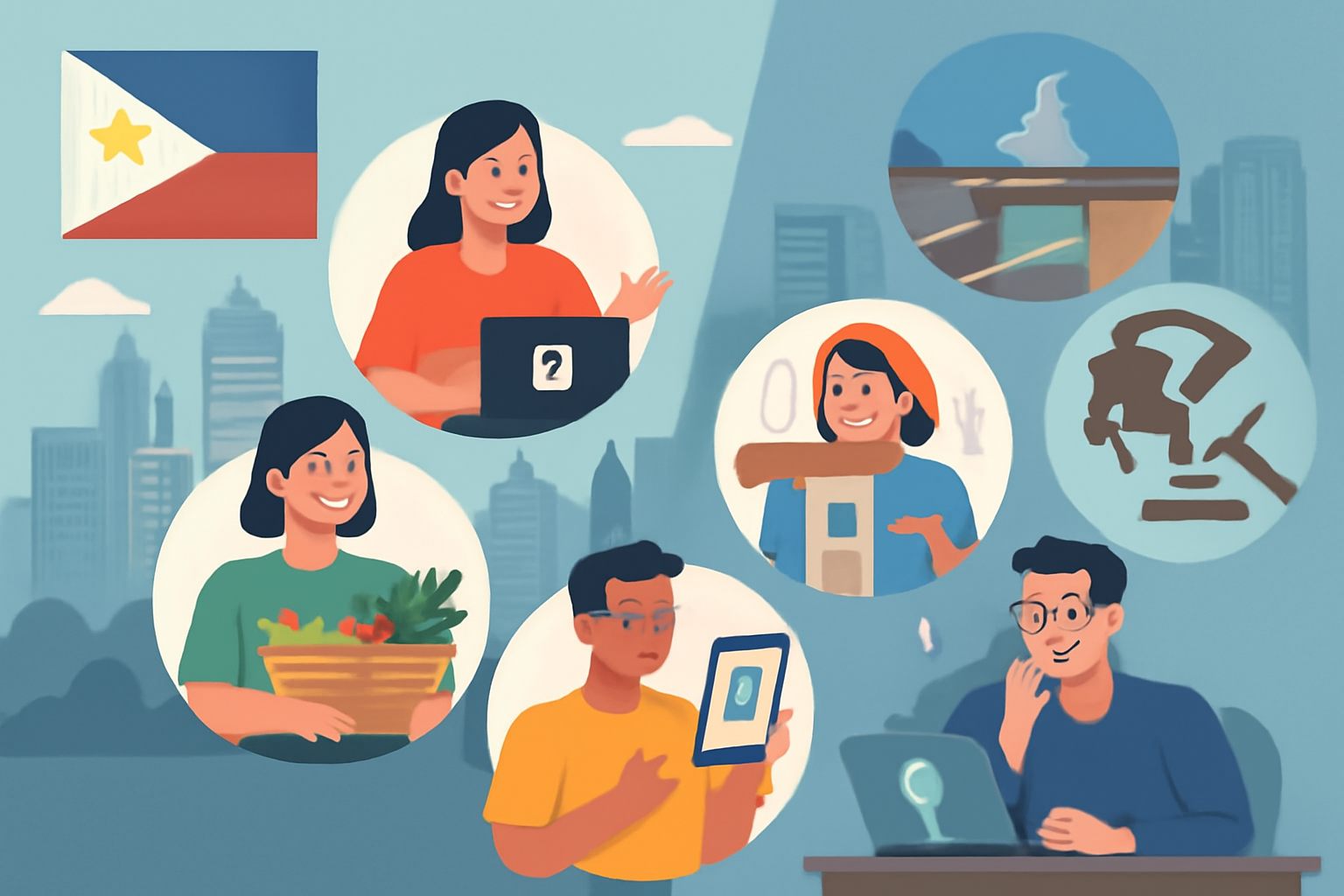
The digital divide between urban and rural areas in the Philippines is a pressing issue that hinders social and economic development in the country. While major cities like Manila are thriving with technological advancements, rural areas remain underserved in terms of internet connectivity, access to digital services, and the skills needed to navigate the digital world. However, technology startups in the Philippines are actively working to address this gap, creating innovative solutions that bring digital empowerment to rural communities.
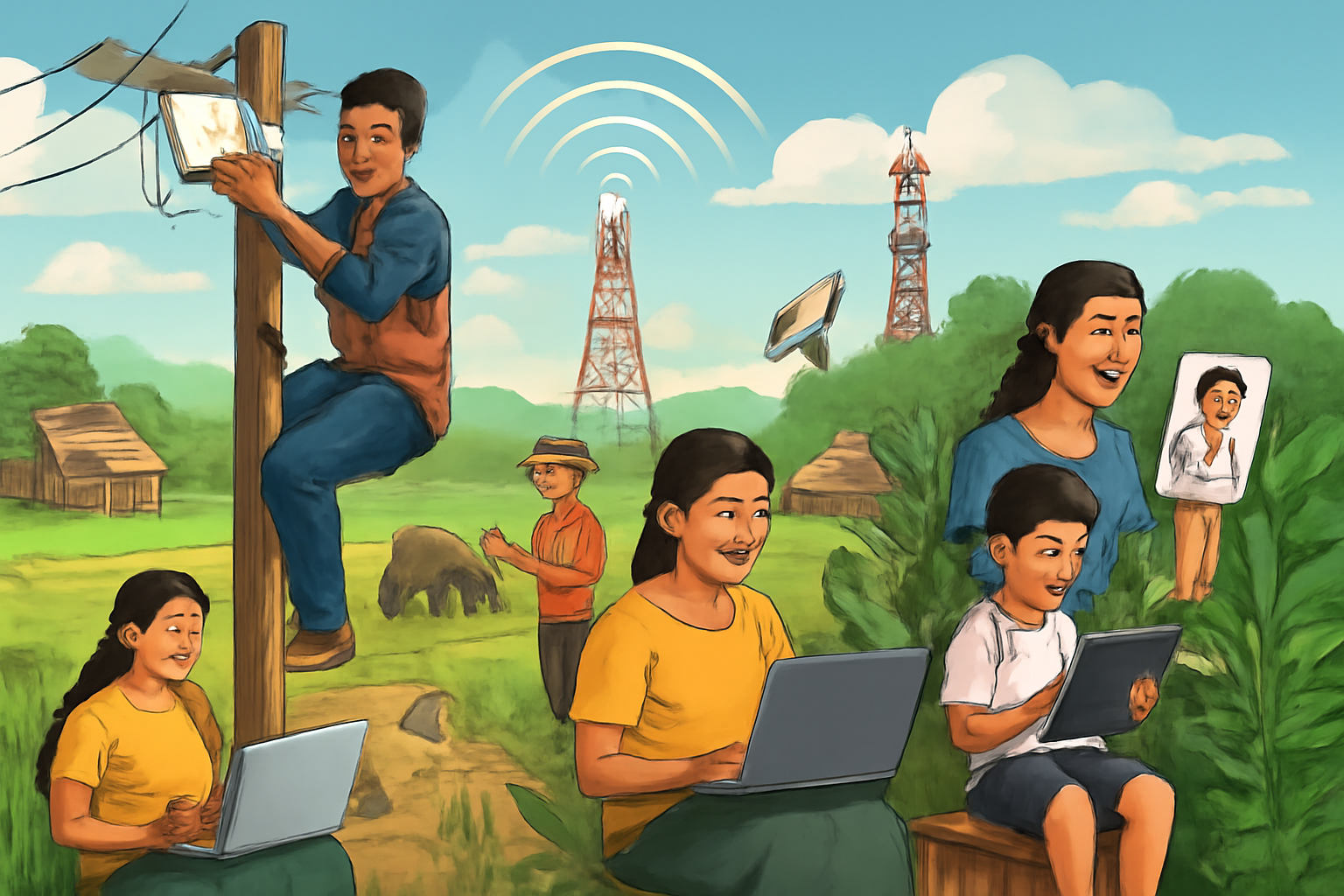
One of the key challenges in rural areas is the lack of reliable internet infrastructure. Many rural communities struggle with slow or no internet connection, which limits their ability to access important services such as online education, healthcare, and e-commerce. Several technology startups are tackling this problem by providing affordable internet services through wireless networks and satellite-based solutions. These startups are working to extend internet coverage to underserved areas, ensuring that rural residents are no longer left behind in the digital age.
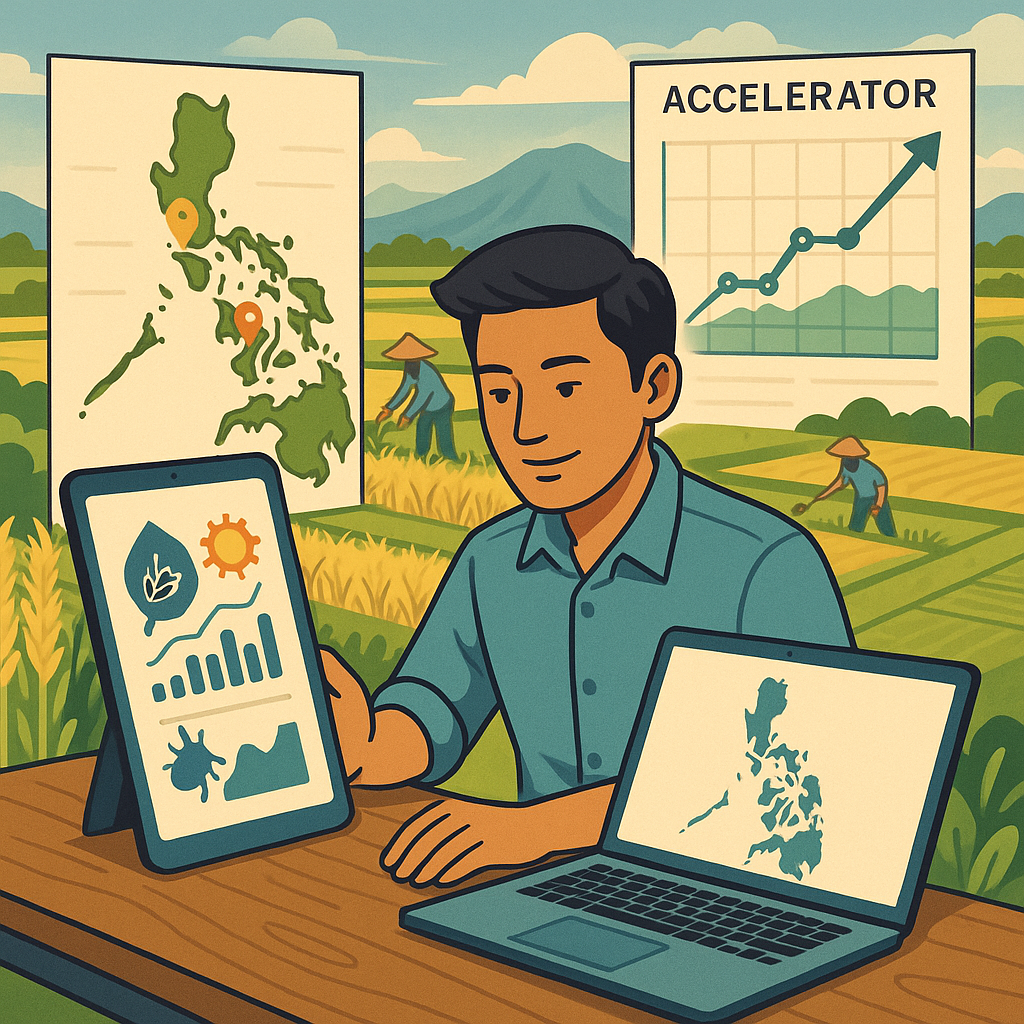
In addition to improving internet access, technology startups are also focusing on creating digital tools and services tailored to the needs of rural Filipinos. For instance, in the agricultural sector, startups are developing mobile applications that help farmers optimize their farming practices. These apps provide weather forecasts, soil analysis, and crop management advice, enabling farmers to make data-driven decisions and increase productivity. By digitizing agriculture, these startups are not only improving the livelihoods of rural farmers but also contributing to food security and the overall economy.
Moreover, digital health initiatives are making significant strides in rural areas, where access to healthcare is often limited. Startups in the telemedicine sector are offering mobile platforms that allow people in remote communities to consult with doctors and healthcare professionals through video calls or text messaging. These services are vital for people who live far from medical facilities and cannot afford the cost of travel to see a doctor. Telemedicine is helping to bridge the healthcare gap, providing timely medical advice and consultations to rural populations.
Education is another area where technology startups are playing a transformative role. In rural areas, many schools face challenges such as a shortage of qualified teachers and inadequate learning resources. Technology startups are stepping in to fill this gap by offering online learning platforms that provide access to quality educational materials and virtual classrooms. These platforms allow students in rural areas to access lessons, take exams, and earn certificates, helping to level the playing field and provide opportunities for personal and professional growth.
These startups are also focused on building digital literacy in rural communities. By offering training programs and workshops on how to use smartphones, navigate the internet, and access online services, these companies are empowering rural residents to become more digitally savvy. This increased digital literacy is crucial in helping individuals tap into new economic opportunities, whether it be through online work, e-commerce, or using technology to improve their agricultural practices.
Technology startups in the Philippines are not just offering products and services—they are also creating new jobs and driving economic growth in rural areas. As rural communities gain access to digital tools, new industries are emerging, and local economies are diversifying. Whether it is through e-commerce, agritech, or digital education, these startups are transforming rural areas into hubs of innovation and entrepreneurship.
Ultimately, the role of technology startups in bridging the digital divide in rural Philippines cannot be overstated. By providing essential services, improving connectivity, and fostering digital skills, these startups are helping to create a more inclusive and equitable society, where rural Filipinos have the tools and opportunities to thrive in the digital economy.