
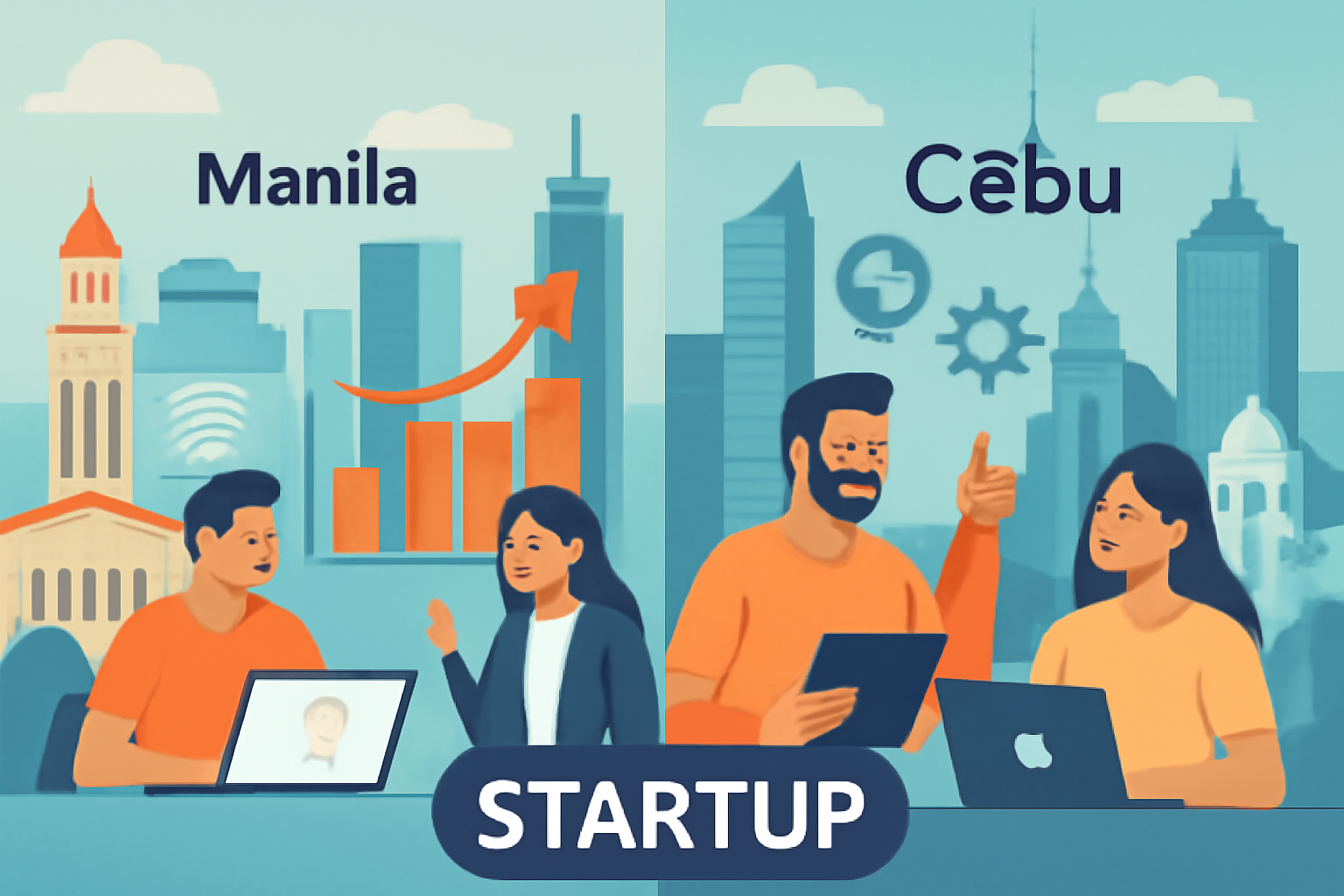
In recent years, the Philippines has emerged as a key player in Southeast Asia’s tech ecosystem, with Manila and Cebu at the heart of the country’s entrepreneurial revolution. These two cities have developed into bustling hubs for technology startups, offering a combination of innovation, infrastructure, and resources to entrepreneurs looking to make their mark in the digital economy.
Manila, as the nation’s capital, has the largest concentration of tech talent and startups in the country. It is home to many coworking spaces, startup accelerators, and incubators that provide support to emerging tech companies. The presence of major global tech firms and venture capitalists further strengthens Manila’s position as the primary startup hub in the Philippines.
The government plays a pivotal role in nurturing innovation, with initiatives like the Philippine Innovation Act and the Innovation Council, aimed at improving access to resources and creating an environment that fosters technological progress. Programs designed to promote venture funding and make it easier for entrepreneurs to navigate regulatory requirements have encouraged both local and international investors to support Filipino startups.
Cebu, on the other hand, is a rising star in the tech space, offering a more relaxed lifestyle and a lower cost of living than Manila. Known for its strong IT-BPO sector, Cebu has a growing pool of skilled workers in fields like programming, design, and customer service. This talent pool is essential for the growth of the city’s startup ecosystem, with many professionals transitioning from the outsourcing industry into entrepreneurship.
Cebu is also home to a number of startup hubs, including the Cebu IT Park, which houses tech startups, incubators, and coworking spaces. The city’s thriving business environment is further enhanced by its proximity to regional markets and its growing reputation as a destination for international investors.
Startups in both cities are focusing on sectors that address local challenges while tapping into global trends. Fintech is one such sector that has experienced rapid growth, with startups like PayMaya and Coins.ph offering digital banking and payment solutions to millions of Filipinos. The country’s large unbanked population presents a significant opportunity for fintech entrepreneurs to provide inclusive financial services to underserved communities.
E-commerce has also been a dominant sector, particularly with the rise of platforms like Lazada and Shopee, which have revolutionized the way Filipinos shop online. Other startups in the sector are catering to niche markets, offering specialized products and services to Filipino consumers. Similarly, the health tech and edtech industries are expanding, driven by the need for digital solutions to address healthcare and educational challenges in the country.
Both Manila and Cebu offer startups access to a supportive ecosystem, with resources, talent, and funding opportunities that can help new businesses thrive. As the Philippines continues to strengthen its digital economy, these cities are expected to remain at the forefront of the country’s startup revolution.