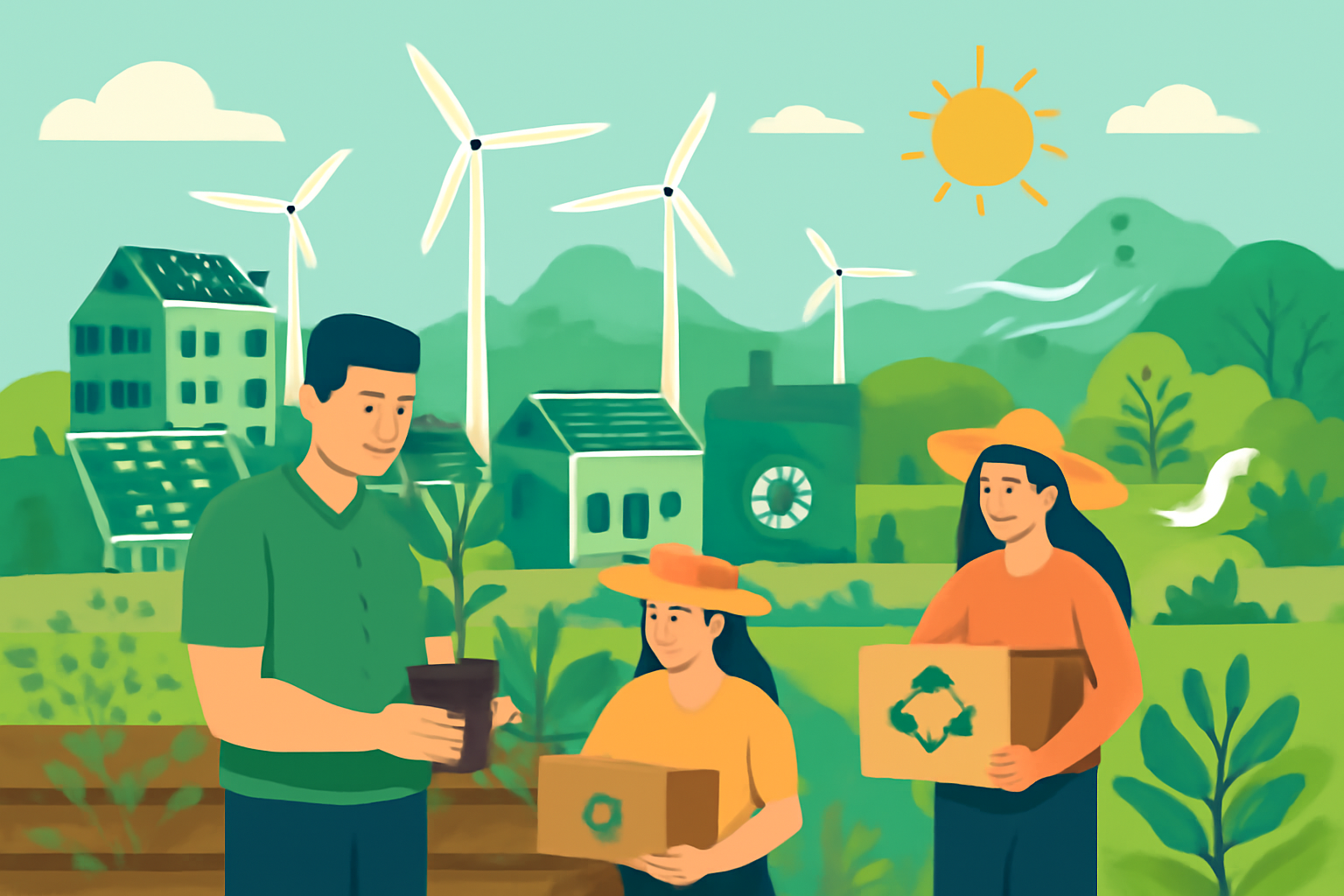
The Philippines is undergoing a significant transformation in its business landscape, with a growing emphasis on sustainable practices and eco-friendly initiatives. In response to global environmental concerns and local climate challenges, businesses in the country are increasingly adopting green business models that prioritize environmental conservation and sustainability. This shift towards a greener economy is seen in various sectors, from energy production to waste management and eco-friendly packaging.
The Philippine government has been a key player in promoting green business practices. Through legislation such as the Clean Air Act and the Renewable Energy Act, the government has established a regulatory framework that encourages businesses to adopt eco-friendly practices. These laws incentivize companies to invest in renewable energy, reduce waste, and promote environmental stewardship. As a result, businesses are becoming more mindful of their environmental footprint and are taking steps to align their operations with sustainability goals.
One of the most notable green business trends in the Philippines is the increased use of renewable energy. With an abundance of natural resources, the Philippines has the potential to harness solar, wind, and geothermal energy for sustainable power generation. Major corporations, such as Ayala Corporation and San Miguel Corporation, are investing in renewable energy projects, reducing their reliance on fossil fuels and helping to meet the country’s renewable energy targets. Solar panels, wind turbines, and other green technologies are now integral components of many businesses’ operations.
In addition to renewable energy, waste management is a critical area of focus for Filipino businesses. Many companies are adopting waste reduction strategies, such as recycling programs and waste-to-energy technologies. The shift towards biodegradable and recyclable packaging materials is also gaining traction, particularly in the consumer goods and food sectors. This transition is driven by both regulatory pressures and consumer demand for more sustainable products.
Corporate social responsibility (CSR) is another area where sustainability is taking center stage. Many businesses in the Philippines are incorporating environmental conservation into their CSR initiatives. For example, the Aboitiz Group has launched a number of reforestation projects, while companies like Meralco are promoting energy efficiency and reducing carbon emissions through various community outreach programs.
Small and medium enterprises (SMEs) in the Philippines are also playing a crucial role in the green business movement. The eco-tourism sector, in particular, is thriving, with small businesses offering eco-friendly travel experiences that promote environmental awareness and conservation. Organic farming practices are also gaining popularity, with local farmers embracing sustainable agricultural techniques to reduce their environmental impact.
The growing focus on sustainability in the Philippine business sector is a promising sign of a more eco-conscious future. As the green business movement continues to gain momentum, the Philippines is well on its way to becoming a regional leader in sustainable development.