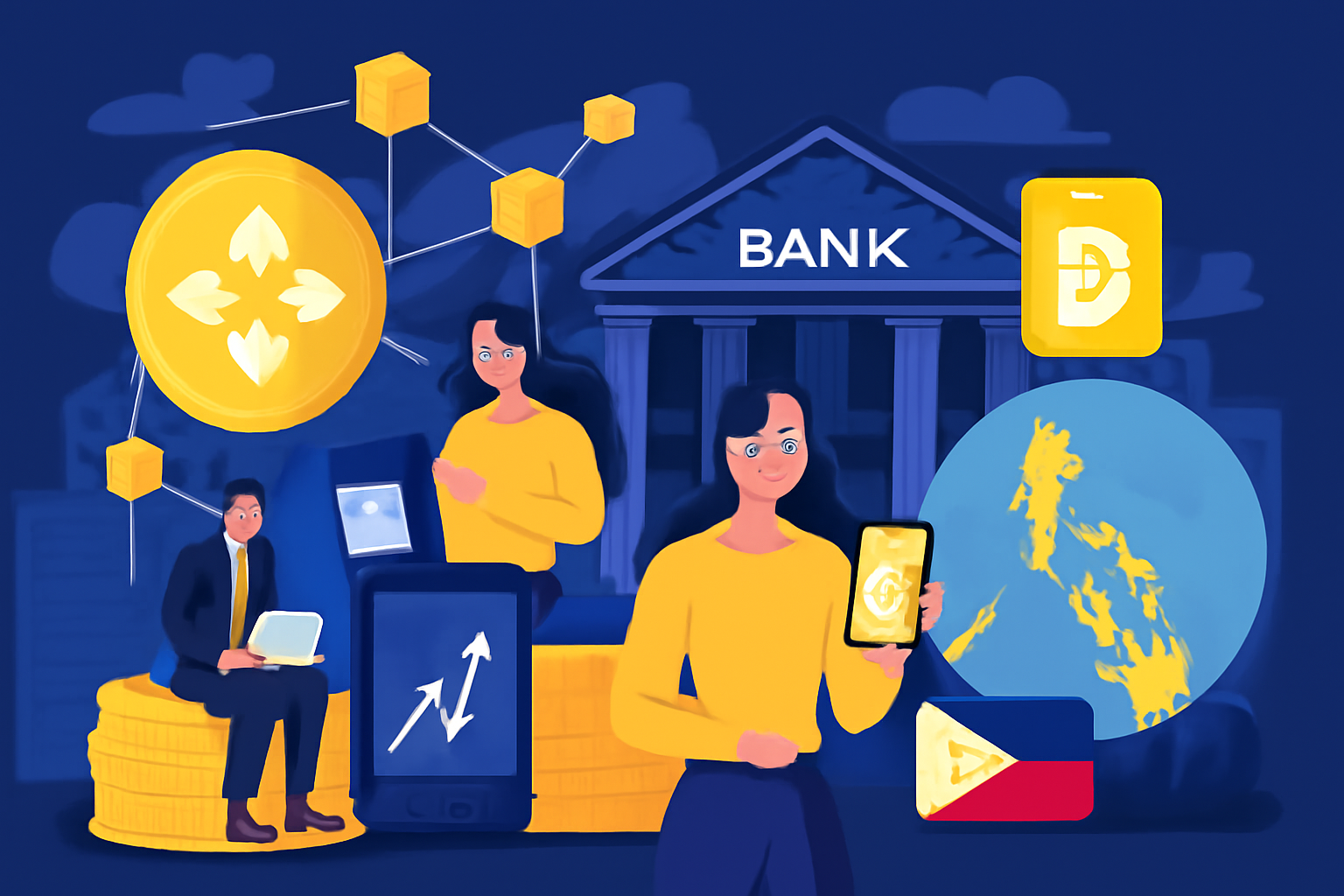
Digital payments have rapidly become a cornerstone of the Philippine economy, driven by technological advancements and a growing need for more inclusive financial services. As internet penetration and mobile phone usage increase, more Filipinos are turning to digital platforms to meet their financial needs. This development is particularly significant in a country where many people have historically been excluded from traditional banking systems.
The push for digital payments in the Philippines began with the recognition that financial inclusion was a major barrier to economic growth. The Bangko Sentral ng Pilipinas (BSP) has been at the forefront of promoting digital financial services, with goals to shift a significant portion of retail payments to digital platforms in the coming years. One of the key outcomes of this initiative has been the widespread adoption of mobile wallets, such as GCash and PayMaya, which are accessible to anyone with a smartphone.
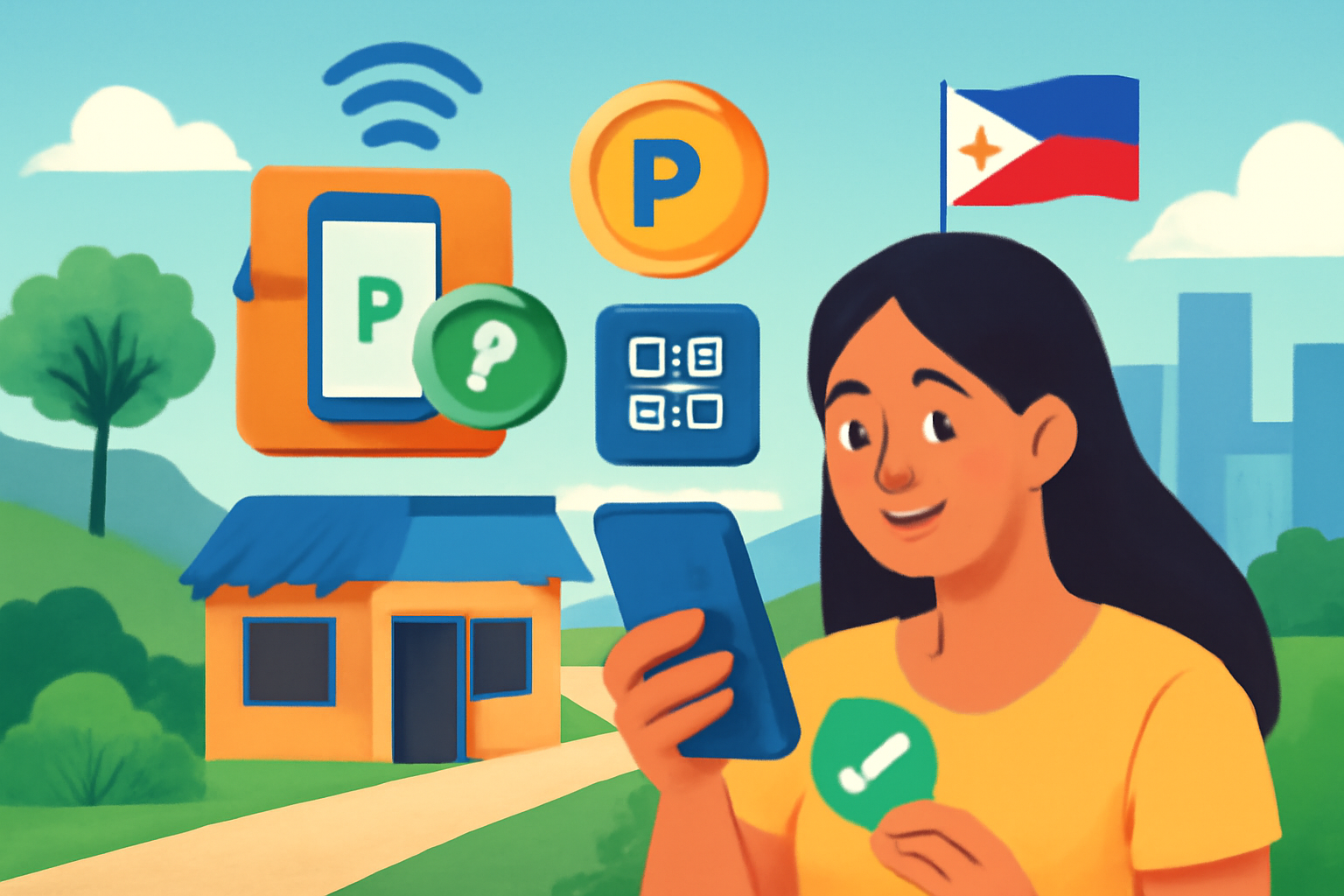
For the unbanked population, digital payments offer a much-needed lifeline. In many rural areas, where access to banks is limited or non-existent, mobile wallets provide an alternative means to store and transfer money, pay bills, and purchase goods and services. This eliminates the need for individuals to travel long distances to access financial services, empowering them to manage their finances from the comfort of their homes.
Digital payment systems have also contributed to the financial empowerment of small business owners. With mobile payment options, even the smallest vendors can accept payments without requiring costly point-of-sale systems or banking infrastructure. This has allowed small businesses to expand their customer base and increase their sales, creating a more inclusive economy where everyone, regardless of size or location, can participate.
Moreover, the global pandemic of 2020 further accelerated the adoption of digital payments as consumers sought contactless solutions for transactions. The pandemic served as a wake-up call for the importance of digital payments in ensuring the continuity of daily life, especially when traditional payment methods were no longer safe. As a result, even more Filipinos turned to digital wallets and other online payment solutions, boosting the growth of the digital payment ecosystem.
In addition to their role in financial inclusion, digital payment platforms in the Philippines are also enhancing financial literacy. With more people becoming familiar with mobile wallets and online banking, they are also learning to manage their finances more effectively. Whether it’s sending money to family members, paying utility bills, or saving for the future, digital payments are helping Filipinos take control of their financial well-being.