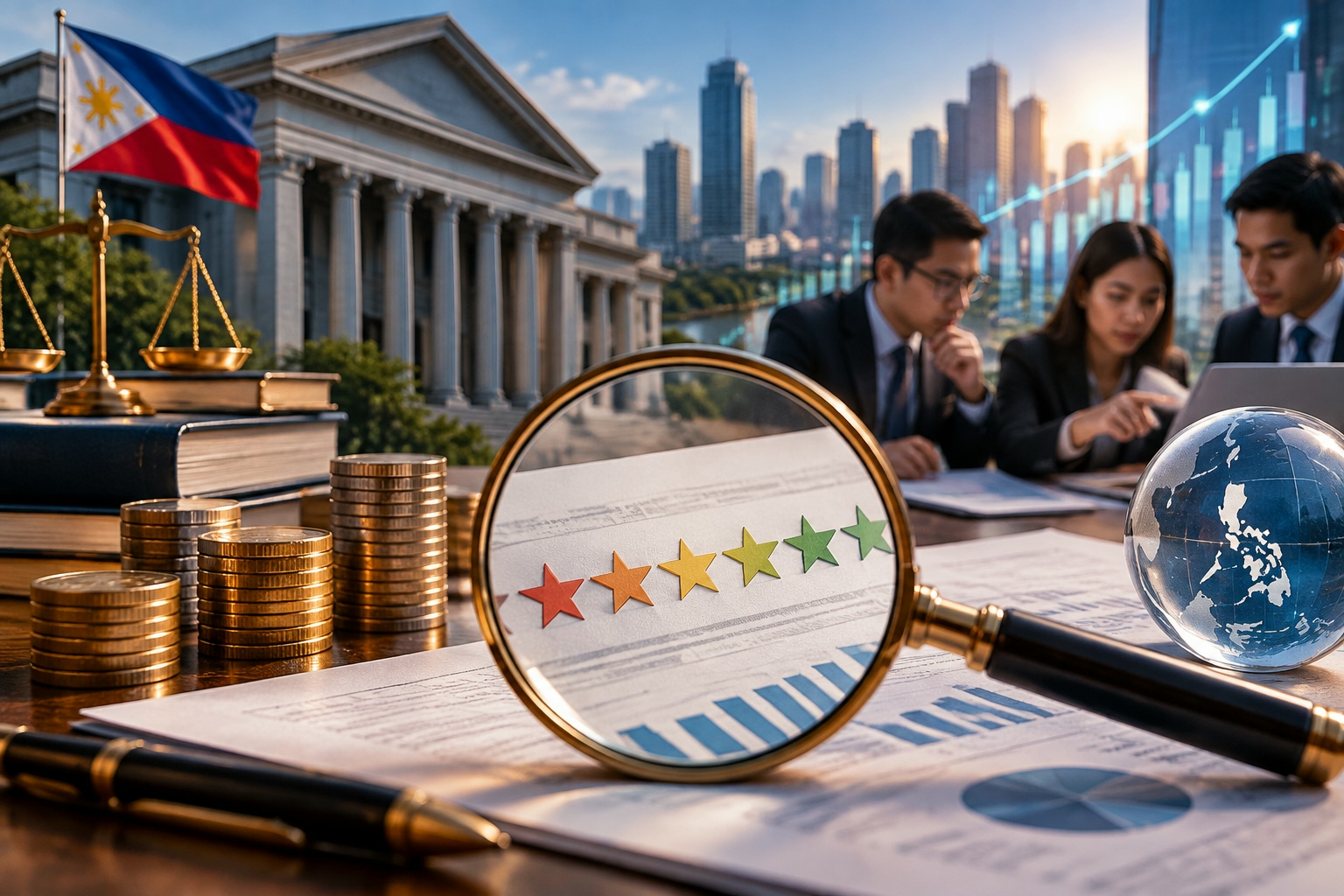
The Philippines’ long-cherished ambition of securing an “A” credit rating has slipped further from reach. In April 2026, Fitch Ratings revised the sovereign outlook to “negative” from “stable,” while S&P Global Ratings cut its outlook to “stable” from “positive,” dashing hopes of securing the country’s first-ever “A” rating from one of the so-called Big Three credit watchers.
The Fiscal Pressures Behind the Outlook Downgrades
Both Fitch and S&P pointed to the same core challenge: the Philippine government—still reeling from the fallout of a major corruption scandal that paralyzed public spending—is confronting an ongoing oil crisis with diminished fiscal buffers. Moody’s raised its forecast for the country’s current account deficit in 2026 to around 4 percent of GDP from 3.4 percent previously, and its projection for the general government debt burden was raised to around 58 percent of GDP from 54 percent previously. Interest payments are now expected to absorb more than 14 percent of government revenue over the next two to three years, up from a previous estimate of 12.3 percent.
A Rating Downgrade Would Trigger the First Since 2005
A rating downgrade would mark the country’s first since 2005, when political turmoil and fiscal instability eroded the Philippines’ credit standing. A lower rating could raise the government’s borrowing costs at a time when it is running a budget deficit to finance development spending. The Department of Finance emphasized the affirmation of the investment-grade rating, calling it a reflection of the country’s “strong economic fundamentals and sound fiscal position”. Yet analysts remain cautious. “The upgrade story is clearly over, and the Philippines is now in defense mode,” said Jonathan Ravelas, senior adviser at Reyes Tacandong & Co..
Moody’s Remains the Sole Stable Voice Among the Big Three
Moody’s is now the only one of the three major credit rating agencies to maintain a stable outlook on the Philippines. In its credit opinion released on April 14, 2026, Moody’s affirmed the “Baa2” rating with a stable outlook, citing expectations that the government’s fiscal consolidation path and debt stabilization remain broadly on track despite the current cyclical slowdown. The credit rater cut its 2026 growth forecast for the Philippines to 3.6 percent from a previous 5.5-percent projection, though this remains within the Marcos administration’s target range of 3.5 to 4.5 percent.
Government Engagement with Rating Agencies
The Philippine government has adopted a proactive approach to managing its sovereign credit story. In October 2025, National Treasurer Sharon P. Almanza, together with BSP Monetary Board Members and senior officials from the Department of Budget and Management, met with Moody’s and Fitch at the sidelines of the World Bank-IMF Annual Meetings in Washington, D.C.. Treasurer Almanza emphasized that the government’s commitment to fiscal prudence, continuous infrastructure development, and institutional reforms provides a strong policy anchor amid external uncertainties.
Implications for the Broader Financial System
The rating outlook matters not only for government borrowing but for the entire financial system. Philippine banks hold substantial government securities portfolios, and a downgrade would reduce the mark-to-market value of these holdings while increasing risk weights under Basel III capital rules. For corporations, a sovereign downgrade typically triggers proportional downgrades in corporate ratings, raising funding costs across the board. The BSP has committed to continuing its work on bringing inflation back to target, safeguarding the soundness of the banking system, and prudently managing international reserves—efforts that help preserve macroeconomic and financial stability. Whether these measures prove sufficient to stabilize the sovereign rating trajectory will be a defining question for the Philippine financial system in the years ahead.