The retail industry in the Philippines has grown into a powerful economic force, shaping the livelihoods of communities and contributing significantly to local development. With a mix of large domestic chains and international brands, retail businesses influence employment, supply chains, infrastructure, and consumer culture.
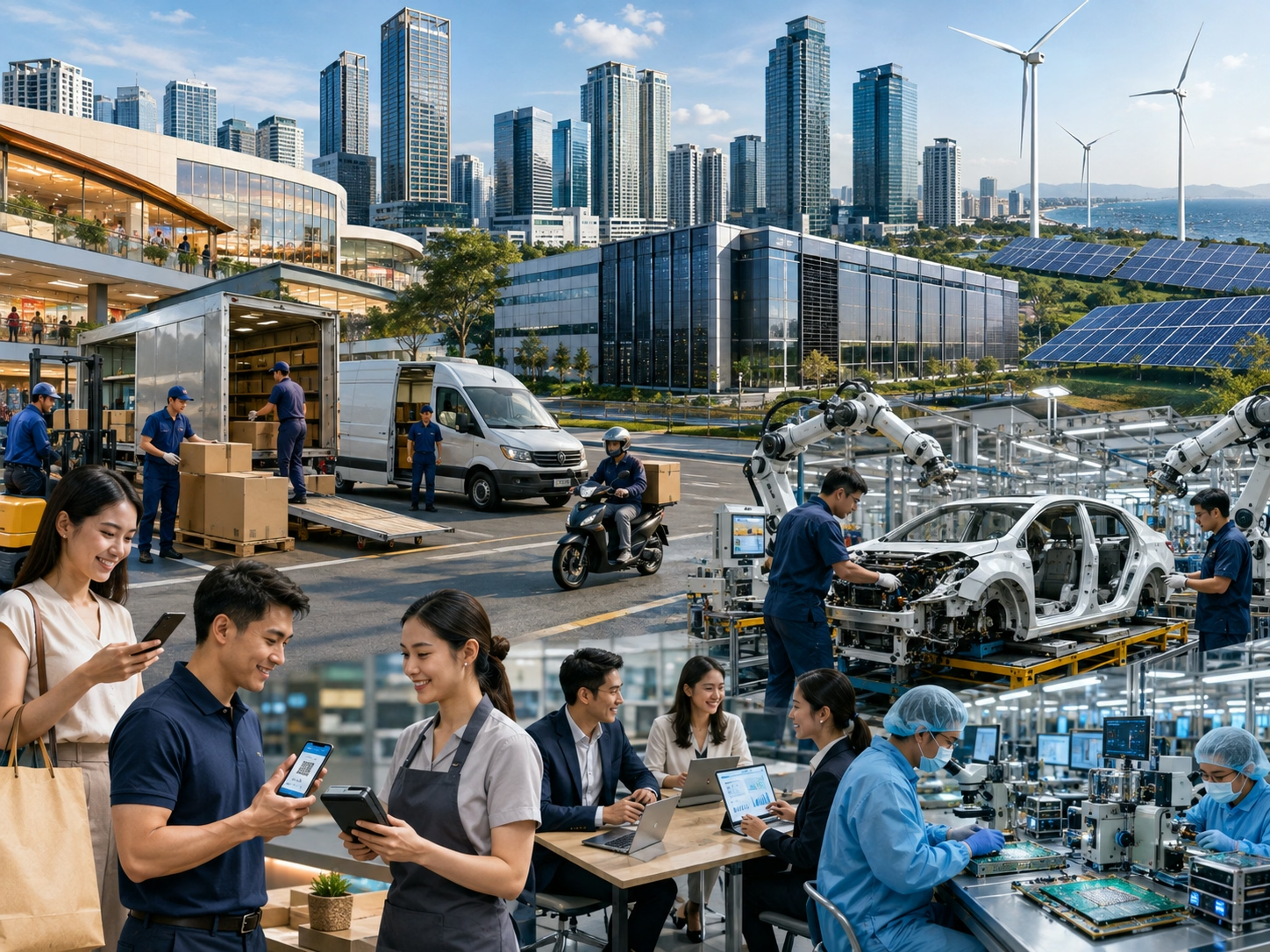
Employment opportunities provided by retail companies are extensive. From frontline sales staff to administrative and managerial roles, retail positions offer steady income and professional growth. Training programs in customer service, logistics, and store management equip employees with transferable skills, enhancing the overall capacity of the labor market. In many regions, a retail outlet represents a major source of formal employment and economic stability.
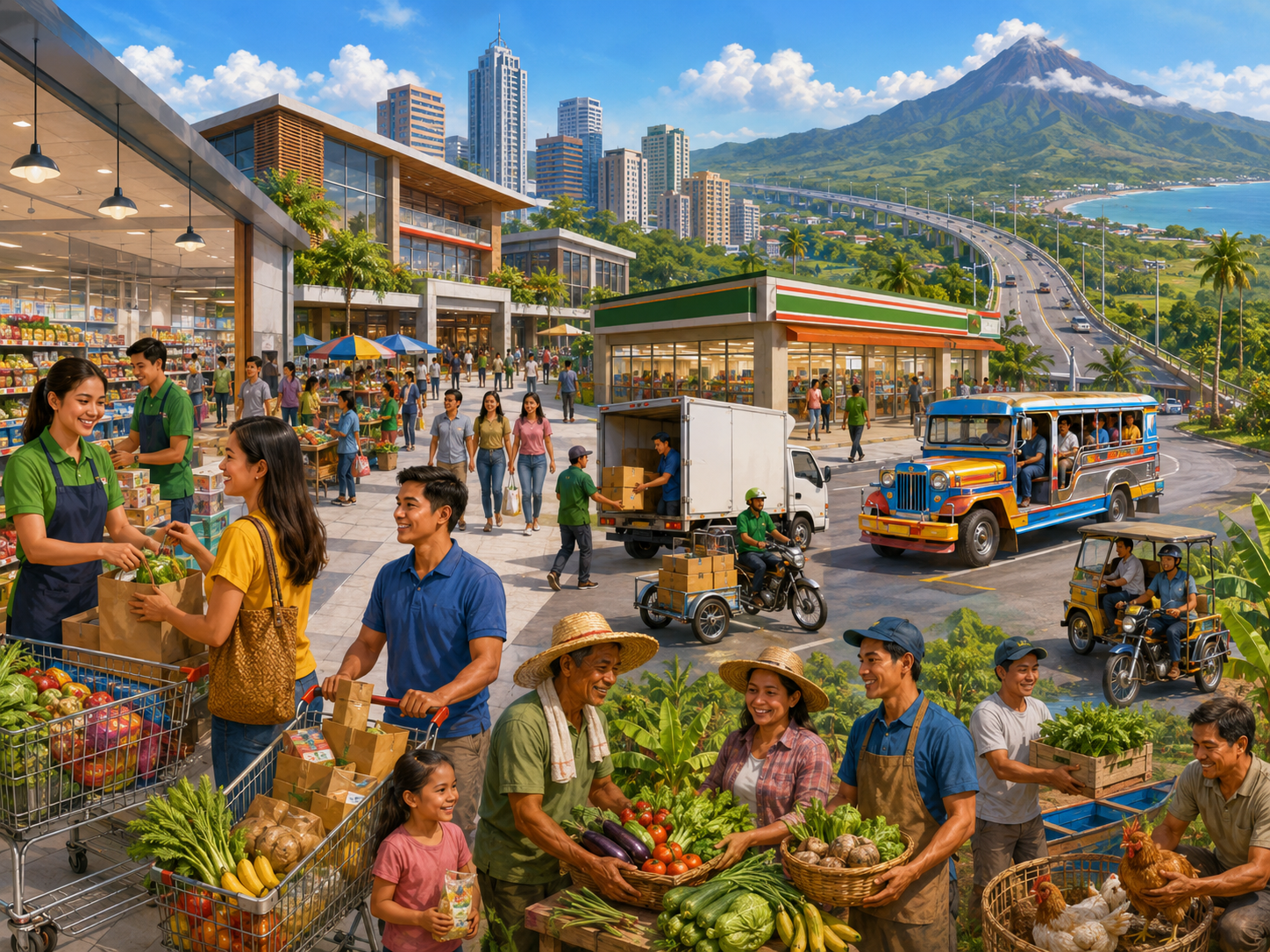
Local suppliers also benefit from the retail sector. Retail companies frequently procure agricultural produce, seafood, and manufactured goods from nearby producers, providing small-scale businesses with reliable markets. This collaboration strengthens local industries, promotes entrepreneurship, and improves household incomes. By integrating local products into modern retail channels, stores also help preserve traditional industries while boosting economic resilience.
Retail expansion stimulates infrastructure and urban growth. Construction of shopping centers, distribution warehouses, and logistical networks requires improvements in roads, utilities, and public transport systems. These enhancements benefit not only retail operations but also the surrounding community, encouraging the establishment of additional businesses such as banks, eateries, and entertainment facilities. Consequently, retail-driven infrastructure development generates wider economic benefits.
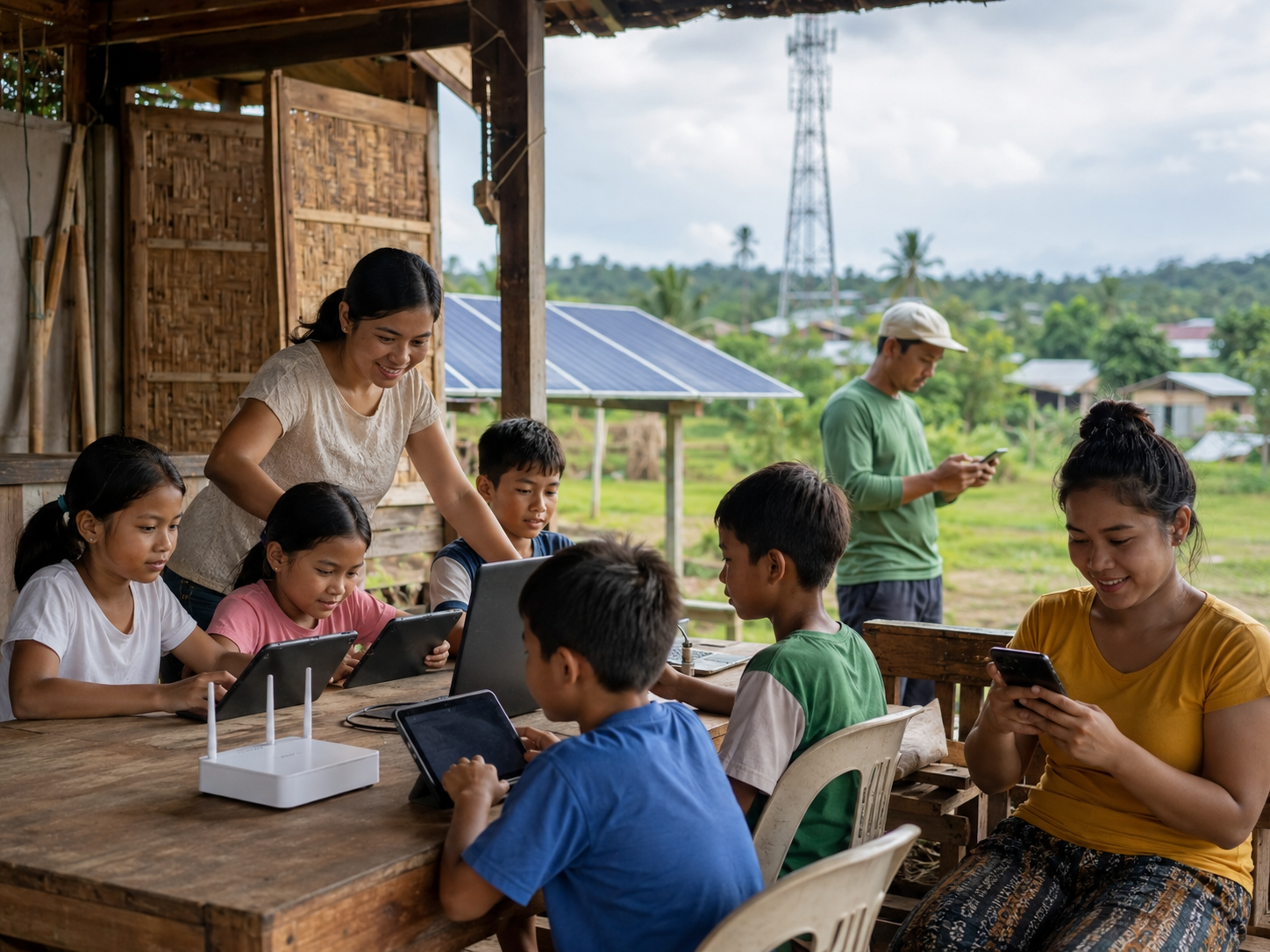
Consumer behavior is significantly influenced by the presence of retail chains. Modern stores offer convenience, a wide product range, and competitive pricing, which reshapes purchasing habits. Loyalty programs, online shopping platforms, and digital payment systems increase efficiency and accessibility, encouraging more organized consumer spending. This growth in demand supports the local economy and creates a virtuous cycle of commerce.
However, challenges remain. Smaller retailers often struggle to compete with large chains that can offer lower prices due to economies of scale. This pressure can reduce local business diversity and potentially displace long-standing family-owned shops. Collaborative initiatives, including sourcing partnerships and supplier development programs, are critical in mitigating these effects and ensuring that local enterprises continue to thrive.
Overall, retail companies in the Philippines act as catalysts for local economic development. They generate jobs, enhance skills, support local suppliers, improve infrastructure, and influence consumer behavior. Despite challenges posed to small businesses, their overall impact on community welfare and regional economies is profound.