As the world increasingly moves towards environmental consciousness, the Philippines is no exception in its push for sustainability. For Micro, Small, and Medium Enterprises (MSMEs), this shift represents a significant opportunity to integrate eco-friendly practices into their business models. By embracing sustainability, MSMEs can reduce costs, enhance their reputation, and tap into a growing market of consumers who prioritize sustainability.
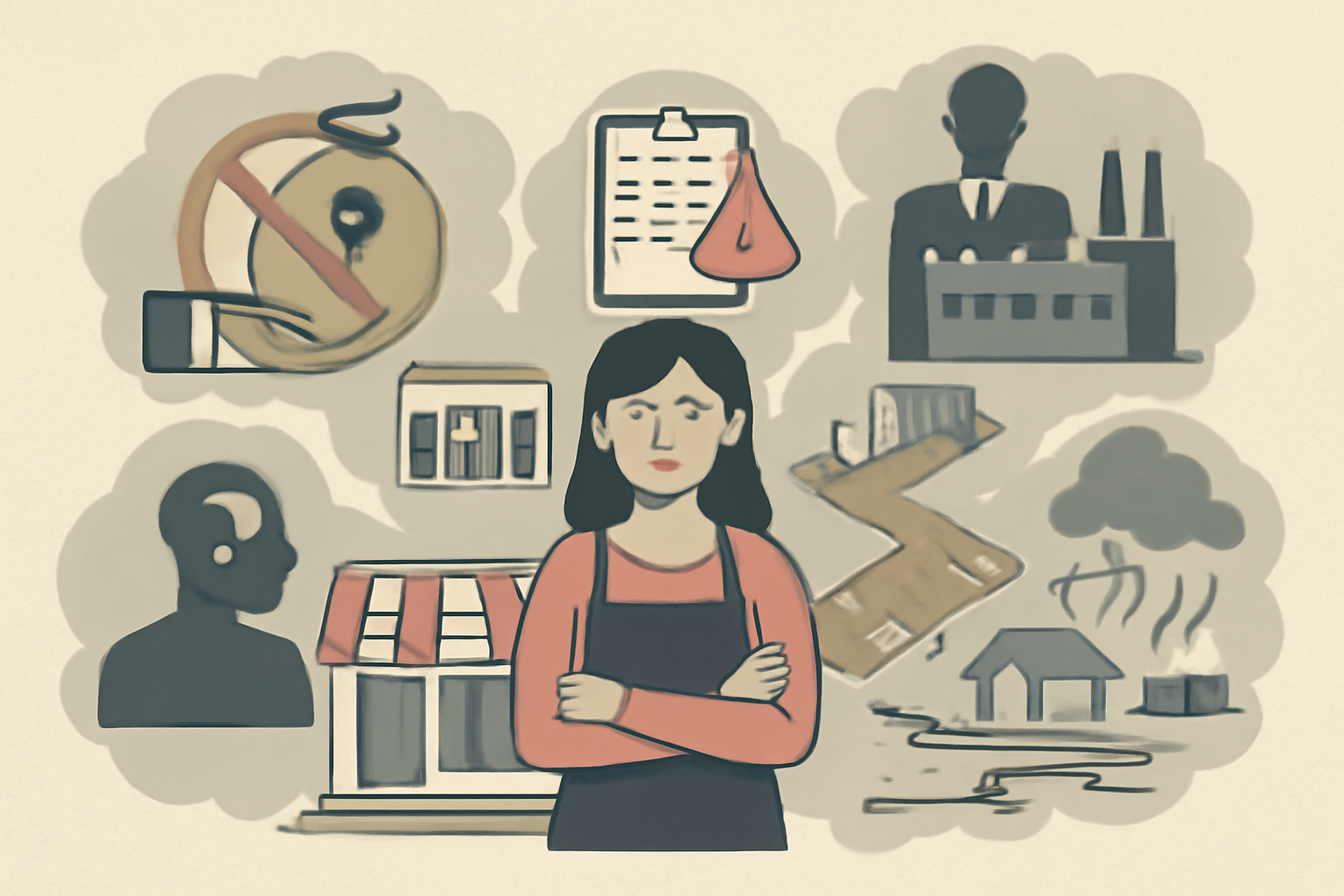
The Philippines, being a country heavily impacted by climate change, is at the forefront of advocating for green business practices. Typhoons, floods, and other natural disasters not only disrupt lives but also strain the country’s infrastructure and resources. To combat these challenges, MSMEs are now looking for ways to operate more sustainably, reduce their carbon footprint, and protect the environment. Adopting sustainable practices helps businesses future-proof themselves and minimize the risks posed by climate change.
One significant trend in the Philippines is the rise of the green economy. There is a noticeable increase in demand for eco-conscious products and services. MSMEs that produce sustainable goods—such as biodegradable items, organic products, or energy-efficient appliances—are well-positioned to tap into this growing market. By offering products that are both environmentally friendly and high-quality, MSMEs can attract more customers and gain a competitive advantage.
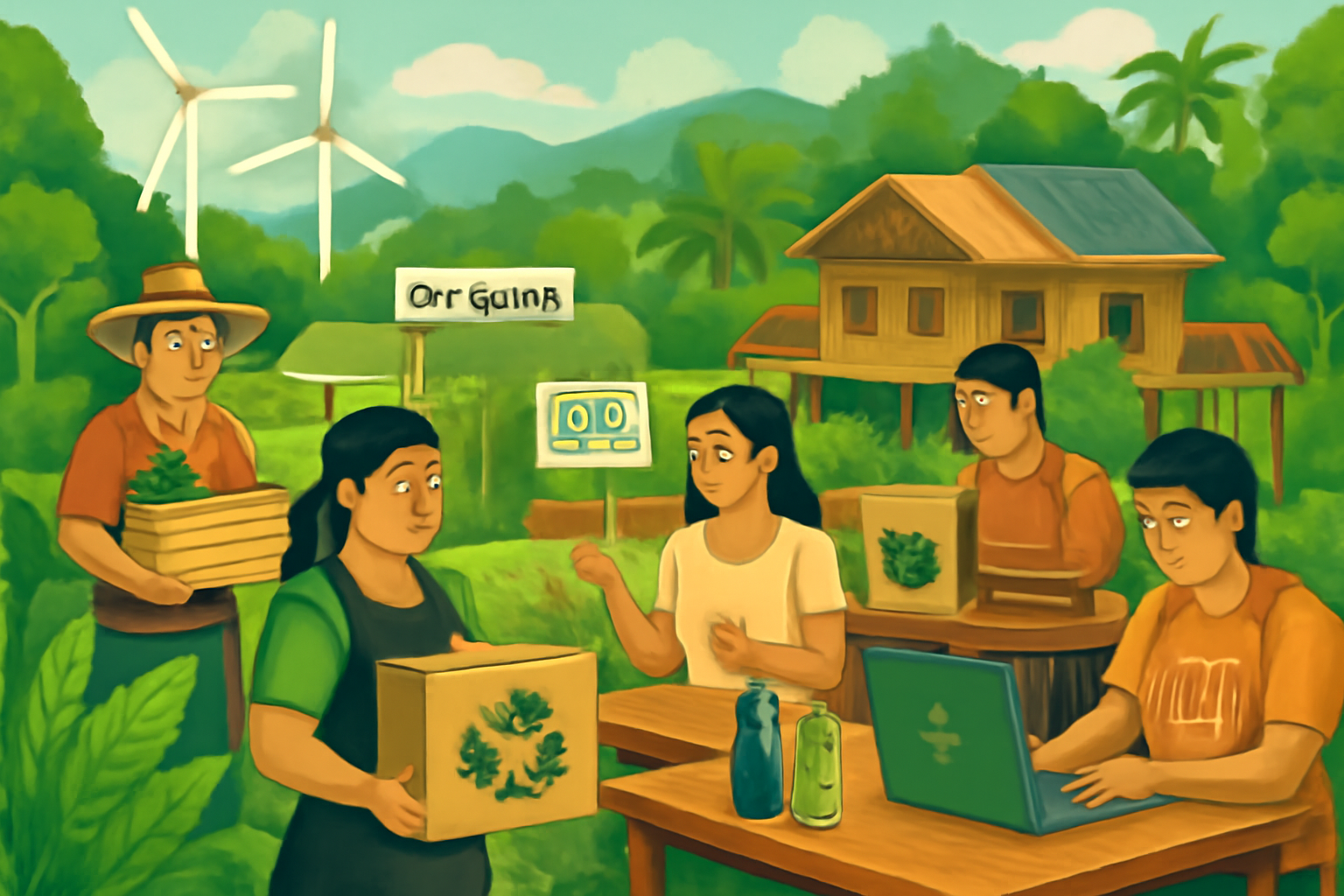
The adoption of renewable energy is another promising area for MSMEs in the Philippines. With the country’s abundant natural resources such as sunlight, wind, and geothermal energy, businesses can invest in solar panels, wind turbines, and other renewable energy systems to power their operations. This not only reduces energy costs but also helps mitigate the environmental impact of conventional energy sources. For small businesses in rural areas, renewable energy can also provide a more reliable and sustainable power source, enabling them to operate more efficiently.
Sustainability in agriculture is another vital opportunity for MSMEs. The Philippines is a primarily agricultural economy, and small farmers are increasingly looking for ways to reduce their environmental footprint. Practices like organic farming, agroforestry, and water conservation techniques can improve both the productivity and sustainability of agricultural enterprises. With a growing local and international market for organic and sustainably grown produce, MSMEs in the agricultural sector can benefit from these green practices while meeting the demands of eco-conscious consumers.
Finally, sustainable supply chain management is becoming increasingly important for MSMEs. By ensuring that their supply chains are ethical, transparent, and environmentally responsible, businesses can build stronger relationships with consumers who are increasingly concerned about the origin of their products. MSMEs that work with suppliers who share their commitment to sustainability can improve both their environmental and social impact.
In addition to the opportunities presented by sustainable business practices, there is also growing government support for MSMEs adopting green initiatives. Programs that offer tax incentives, grants, and low-interest loans are available to businesses that invest in sustainable technologies. This financial assistance can help reduce the initial cost of adopting renewable energy systems, eco-friendly packaging, or other green solutions.
In short, the shift toward sustainable business practices in the Philippines presents a wealth of opportunities for MSMEs. Whether it’s through producing green products, investing in renewable energy, adopting sustainable agriculture, or improving supply chains, small businesses have much to gain by integrating sustainability into their operations. By doing so, they not only contribute to the environment but also enhance their profitability and long-term success.