Fintech startups are playing an increasingly important role in the evolution of the Philippine financial services market. As the country grapples with the challenges of financial inclusion, access to banking services, and high transaction costs, fintech companies are stepping in to offer innovative solutions that meet the needs of the modern Filipino population. The rise of digital finance in the Philippines is revolutionizing how people access financial products, from payments and loans to insurance and investments.
The need for digital financial solutions in the Philippines has never been more pressing. The World Bank estimates that nearly 70% of adults in the Philippines remain unbanked or underbanked, unable to access basic banking services. This is where fintech startups are making an impact. By leveraging digital platforms and mobile technologies, these companies are offering alternatives to traditional banking, enabling people to perform financial transactions without the need for a physical bank branch.
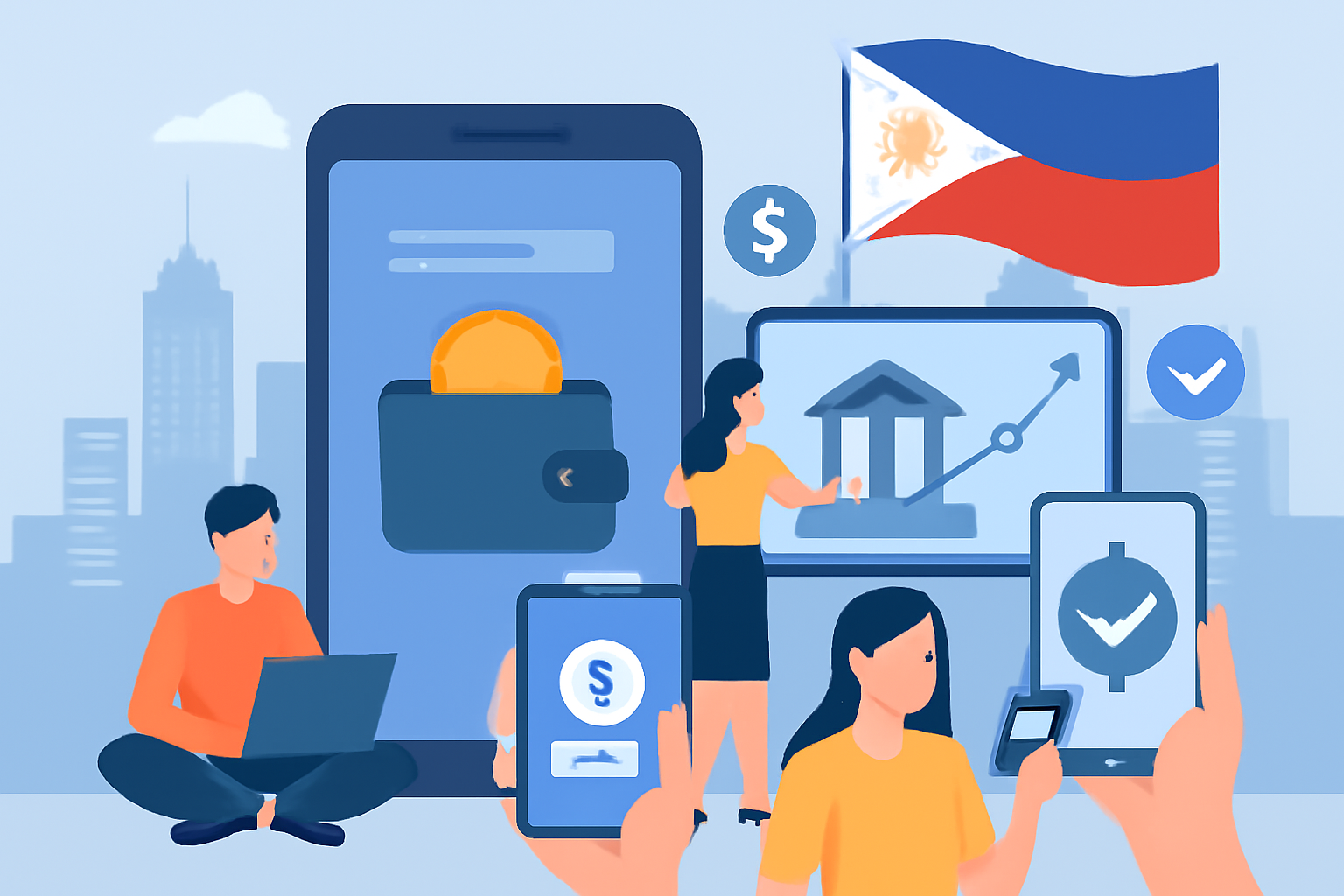
Mobile payment platforms have been at the forefront of the fintech revolution in the Philippines. Apps like GCash and PayMaya have quickly gained popularity, offering Filipinos a wide range of services such as peer-to-peer money transfers, bill payments, mobile top-ups, and online shopping. These services have expanded beyond the urban centers and are now reaching remote areas where traditional banking services are scarce. With a growing base of smartphone users, these apps have become a vital tool for people to manage their finances in a more convenient and cost-effective way.
In addition to mobile payments, fintech startups in the Philippines are also reshaping the lending industry. Traditionally, access to credit in the country has been limited, particularly for those without a credit history. However, startups like Tala and FinScore are leveraging big data and alternative credit scoring models to assess borrowers’ creditworthiness. These companies offer microloans and personal loans, providing financial access to individuals and small businesses that might otherwise be excluded from traditional lending systems.
Insurance is another area where fintech innovation is taking place. Traditional insurance providers have struggled to reach the mass market due to high premiums and complicated policies. Insurtech startups like Singlife and Robinsons Insurance are making insurance products more affordable and accessible by digitizing the application process and offering more flexible terms. These platforms use technology to create tailored insurance solutions that can better meet the needs of the average Filipino.
The Philippine government has recognized the potential of fintech startups to drive economic growth and financial inclusion. The Bangko Sentral ng Pilipinas (BSP) has implemented several policies to encourage the growth of digital finance, including regulatory guidelines for e-money and digital payment systems. These initiatives have created a favorable environment for fintech companies to thrive and innovate, helping to further advance the country’s digital transformation.
However, despite the growth and success of fintech startups, there are still challenges to be addressed. Cybersecurity remains a significant concern, as more Filipinos turn to digital financial platforms for their day-to-day transactions. Additionally, digital literacy and access to reliable internet remain barriers for some segments of the population. Tackling these challenges will be key to ensuring that fintech startups can continue to grow and reach underserved communities across the Philippines.
Looking ahead, the future of fintech in the Philippines is promising. With the ongoing digital transformation of the financial sector, fintech startups are well-positioned to help drive economic inclusion and bring much-needed financial services to millions of Filipinos. By continuing to innovate and adapt to the unique needs of the population, fintech companies in the Philippines are poised to lead the way in the region’s digital financial revolution.