
The Unseen Exporters
When policymakers discuss cross-border e-commerce, the conversation often centers on platforms, tariffs, and logistics corridors. Less attention is paid to who is actually doing the selling. In the Philippines, a significant and growing share of online sellers are women running micro-enterprises from home, often in provinces far from Manila’s trading hubs.
A 2026 policy note from the Philippine Institute for Development Studies (PIDS) found that e-commerce adoption among women-led MSMEs surged during the pandemic, with many businesses established in 2020 and 2021 on social media and platforms like Shopee and Lazada . These adopters tend to be young—18 to 25 years old—college-educated, and comfortable with digital tools.
The same research identified a critical gap: while these women have embraced domestic e-commerce, awareness of cross-border trade opportunities and government support programs remains low . The propensity to engage in cross-border trade is high, particularly under frameworks like the Regional Comprehensive Economic Partnership (RCEP), but the information and infrastructure to act on that propensity are unevenly distributed.
From Social Selling to Global Markets
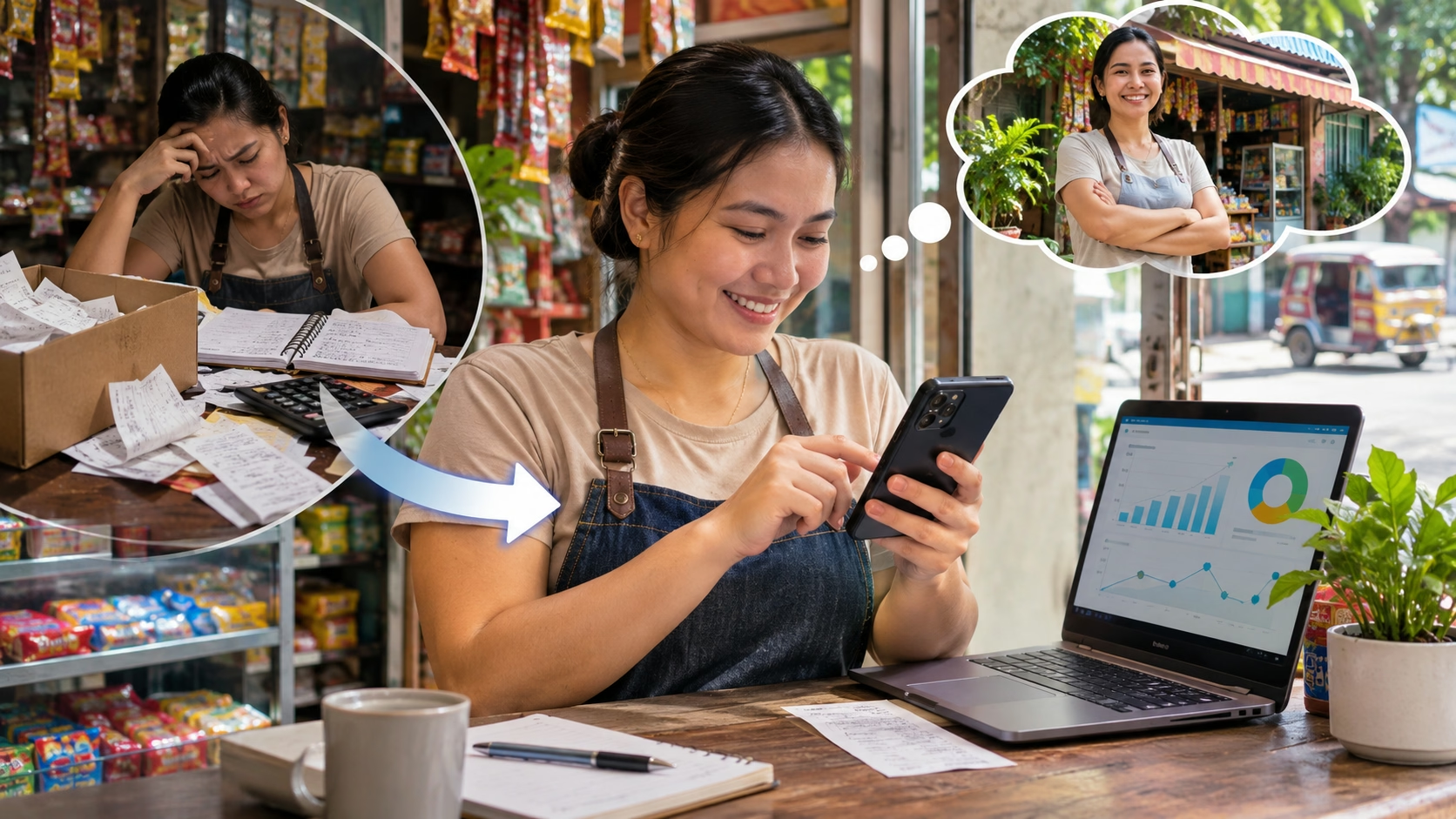
The pattern is familiar. A woman in Iloilo begins selling woven bags on Facebook. Orders grow. She registers her business. She lists on Shopee. Domestic sales stabilize. The next step—selling to a customer in Japan or the United States—requires a different set of skills and systems: export documentation, international payment reconciliation, customs classification, and customer service across time zones.
The DTI’s Itaas ang Pinay initiative was designed with this trajectory in mind. It offers virtual workshops and involves regional offices in helping small businesses use online platforms, with a specific focus on moving entrepreneurs from informal to formal to global operations . The Western Visayas roadmap includes similar provisions, pairing an e-Export Academy with a Regional Export One-Stop-Shop to reduce administrative friction .
The Data Gap
What is missing, according to PIDS, is gender-disaggregated data on cross-border e-commerce participation . Without it, policymakers cannot identify where women-led MSMEs drop out of the export pipeline, what barriers they face at each stage, or whether existing programs are reaching the businesses that need them most.
This is not an academic concern. The Philippines’ trade agreements, including DEFA and RCEP, are built on assumptions about who will benefit. If women-led MSMEs—who represent a substantial share of the country’s online sellers—are not participating in cross-border trade, the inclusive growth promised by these agreements remains theoretical.
Beyond Access: The Quality Question
There is also a product development dimension. The PIDS note recommends strengthening programs that promote both e-commerce adoption and internationalization, rather than treating them as separate tracks . A seller who has mastered Shopee’s domestic logistics may still lack the packaging standards, labeling requirements, and product consistency that international buyers expect.
The ASEAN Trade Expo 2026 offered one model for addressing this. The Kahanga-Hangang Pilipinas platform, developed with DTI support, allows buyers to browse and order products after the event, but it also requires participating MSMEs to meet certain presentation and documentation standards . The platform functions as both a sales channel and a quality filter—a bridge between artisan production and international expectations.
For women-led MSMEs, the opportunity is real but conditional. The digital tools are accessible. The trade agreements are in place. The missing ingredient is targeted, sustained support that meets entrepreneurs where they are—not where policymakers assume they should be.