
The Smartphone Has Become a Personal Bank Branch
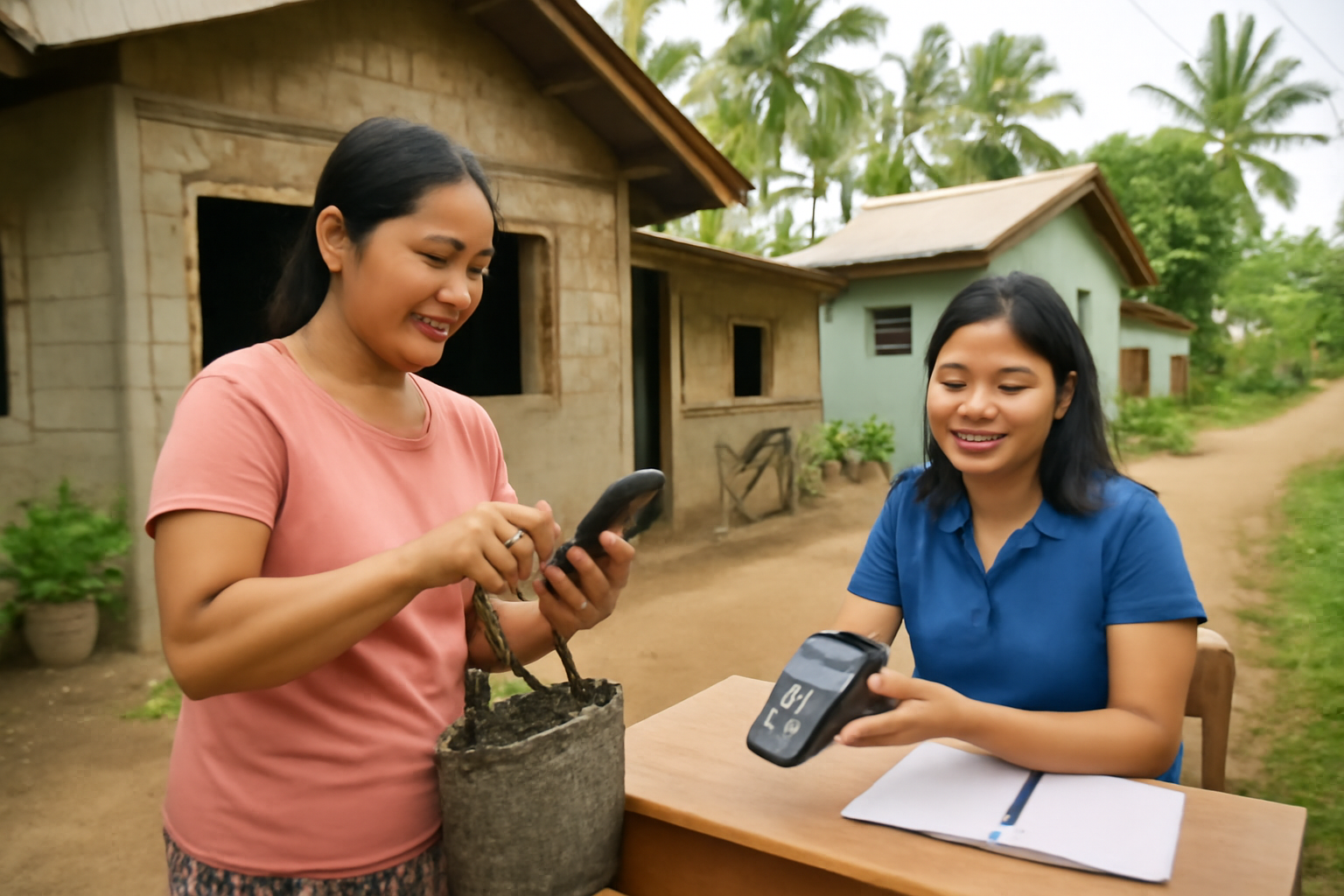
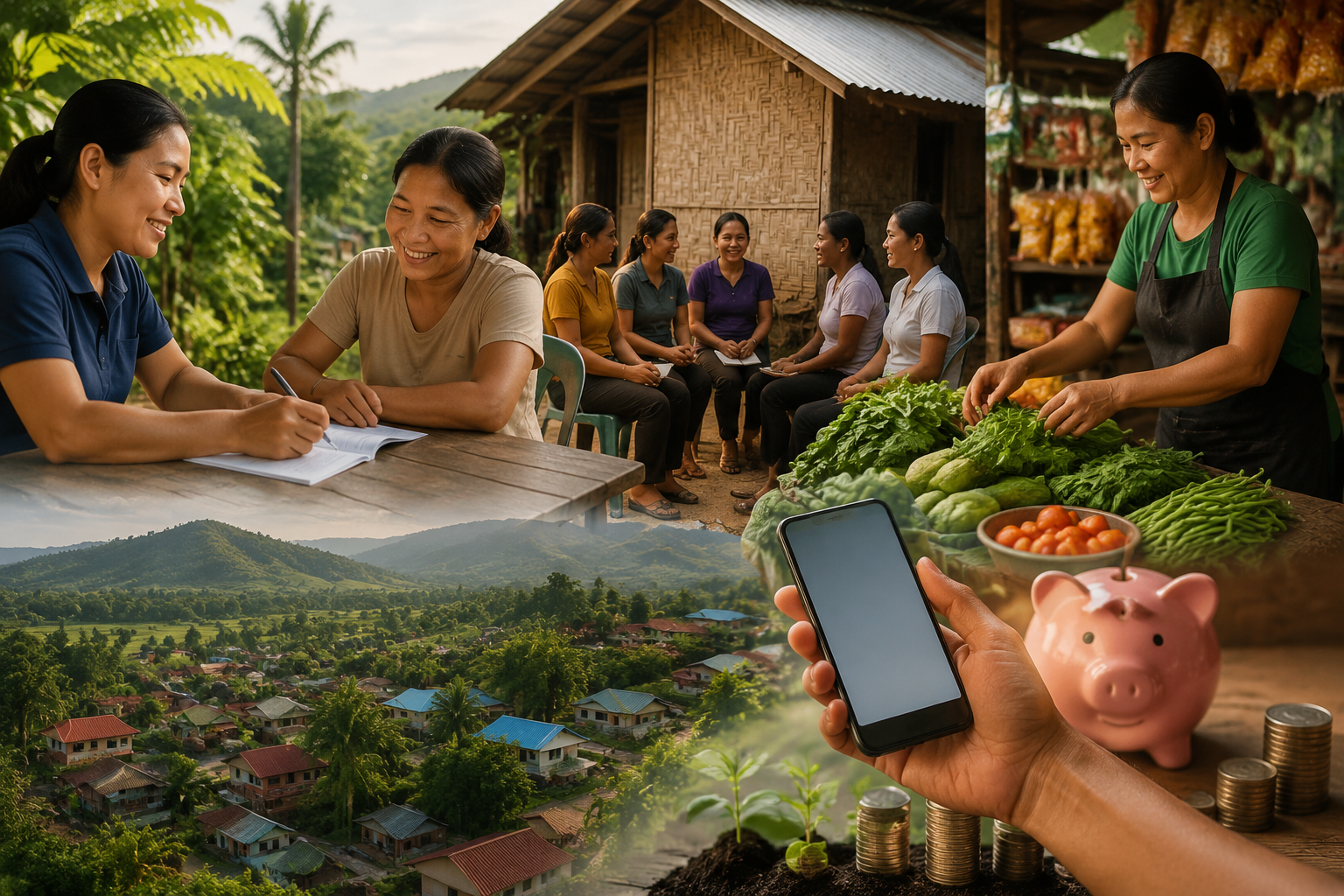
For a large number of Filipino millennials, the most important bank branch is now the device in their pocket. Salary deposits, bill payments, transfers, purchases, savings, and even loan applications can increasingly be managed through mobile platforms.
This development reflects a major change in daily behavior. Millennials in the Philippines often balance formal employment with freelance work, side businesses, online selling, or family responsibilities. Their income and expenses can move across several channels during the same month.
A conventional account remains useful, but many consumers now expect more. They want real-time notifications, fast transfers, payment tools, savings features, and clear records of where their money goes.
Traditional banks have responded with improved applications, while mobile-oriented brands such as Maya Bank, GoTyme Bank, Tonik, CIMB Bank Philippines, UnionDigital Bank, and UNO Digital Bank have expanded consumer choice.
The wider transition is visible in national payment data. The Bangko Sentral ng Pilipinas reported that digital payments exceeded half of total retail transaction volume in 2023. The central bank’s objectives for a more digital financial system are explained through its official Digital Payments Transformation Roadmap.
Financial Flexibility Matters to a Generation With Multiple Obligations
A typical millennial budget may include rent, mortgages, school expenses, insurance, online services, support for parents, and payments on several forms of credit.
Digital financial tools can help organize these responsibilities. Users may divide money into spending and savings accounts, automate recurring payments, and monitor transactions without waiting for a monthly statement.
This visibility can be particularly important for workers with irregular income. A freelancer, for example, may receive several payments at different times. Instant account access makes it easier to allocate part of each payment to taxes, emergency savings, and household costs.
Emergency Funds Are Becoming Easier to Structure
One of the strongest uses of digital banking is the ability to separate savings from everyday spending.
A customer may create dedicated funds for medical emergencies, travel, housing, or education. Automatic transfers can reduce the temptation to spend money intended for long-term goals.
However, attractive interest offers require careful comparison. Consumers should review eligibility conditions, withdrawal restrictions, fees, promotional periods, and the regulatory status of the provider.
The highest advertised rate is not always the best choice for money that may be needed quickly.
Instant Credit Creates a New Responsibility
Digital lenders and app-based financial services have shortened the path between application and approval. This can help people facing genuine short-term needs, but it can also encourage impulsive borrowing.
A borrower should ask a basic question before accepting credit: how much will this loan cost from the first payment to the last?
The answer should include interest, processing charges, penalties, and other fees. Consumers should also consider how the repayment schedule fits with existing obligations.
An installment that looks affordable on its own may become difficult when combined with credit-card bills and other app-based loans.
The Best Financial App Is Not Always the Most Popular One
Brand recognition and app design can influence consumer decisions, but long-term banking relationships require more careful evaluation.
Millennials should look at reliability, transparent fees, security controls, customer support, fund-access rules, and regulatory supervision. Reviews can provide useful clues, but they should not replace official information.
Security also deserves constant attention. Fake links, impersonation scams, and fraudulent customer-support accounts can target even experienced users.
The most successful Filipino millennial consumers will not necessarily be those using the greatest number of finance apps. They will be the ones who select a manageable group of trusted services and use them to strengthen savings, control debt, and make daily financial decisions more deliberately.