Microfinance institutions in the Philippines occupy a significant position within the broader financial ecosystem by serving populations that are traditionally excluded from formal banking systems. Their primary mission is to extend credit and financial services to low-income individuals, enabling economic participation at the grassroots level.
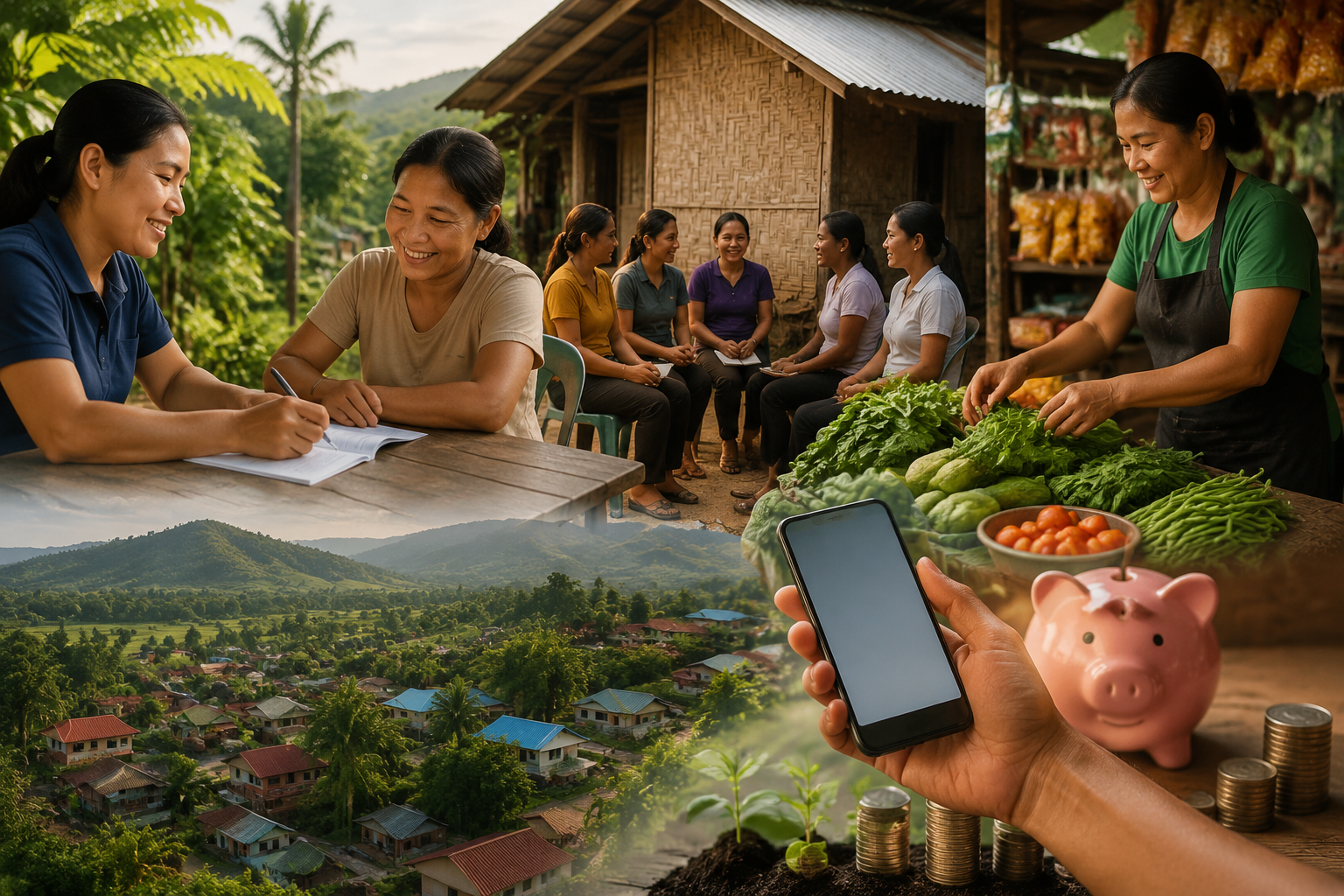
These institutions operate through various models, including individual lending, group lending, and cooperative-based systems. Each model is designed to balance accessibility with risk management. Group lending, in particular, has proven effective in maintaining repayment discipline through shared responsibility mechanisms.
From an economic perspective, microfinance contributes to income generation and employment creation. Small loans enable entrepreneurs to establish or expand micro-businesses, which are abundant in both rural and urban informal sectors. These businesses play a critical role in supplying essential goods and services within local communities.
The influence of microfinance extends beyond individual borrowers. As businesses grow, they contribute to increased economic circulation within local markets. This leads to higher demand for goods, improved supply chains, and greater economic interdependence among community members.
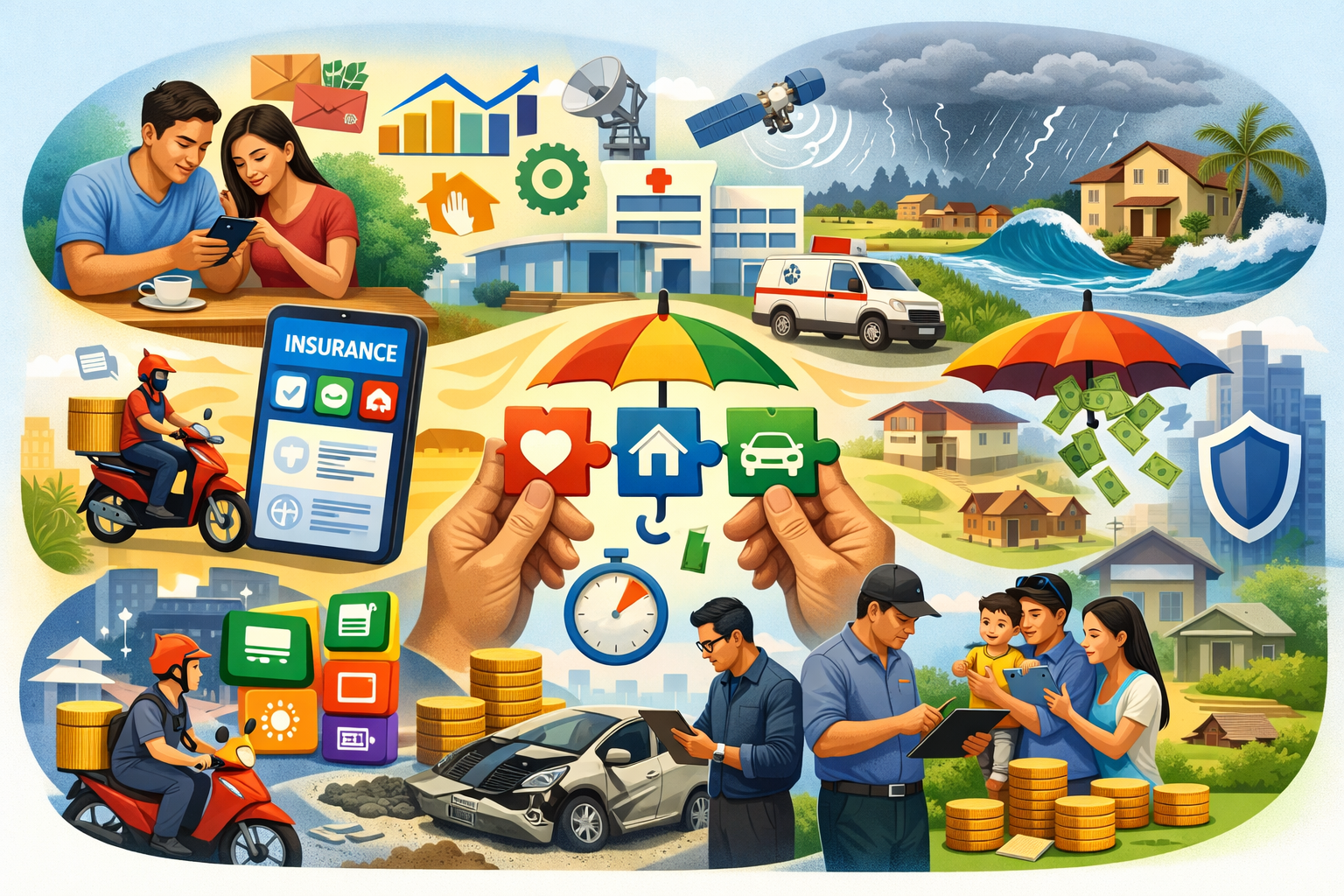
Additionally, microfinance supports financial inclusion by introducing formal financial practices to underserved populations. Savings programs, micro-insurance products, and credit-building mechanisms help individuals integrate into the formal financial system over time.
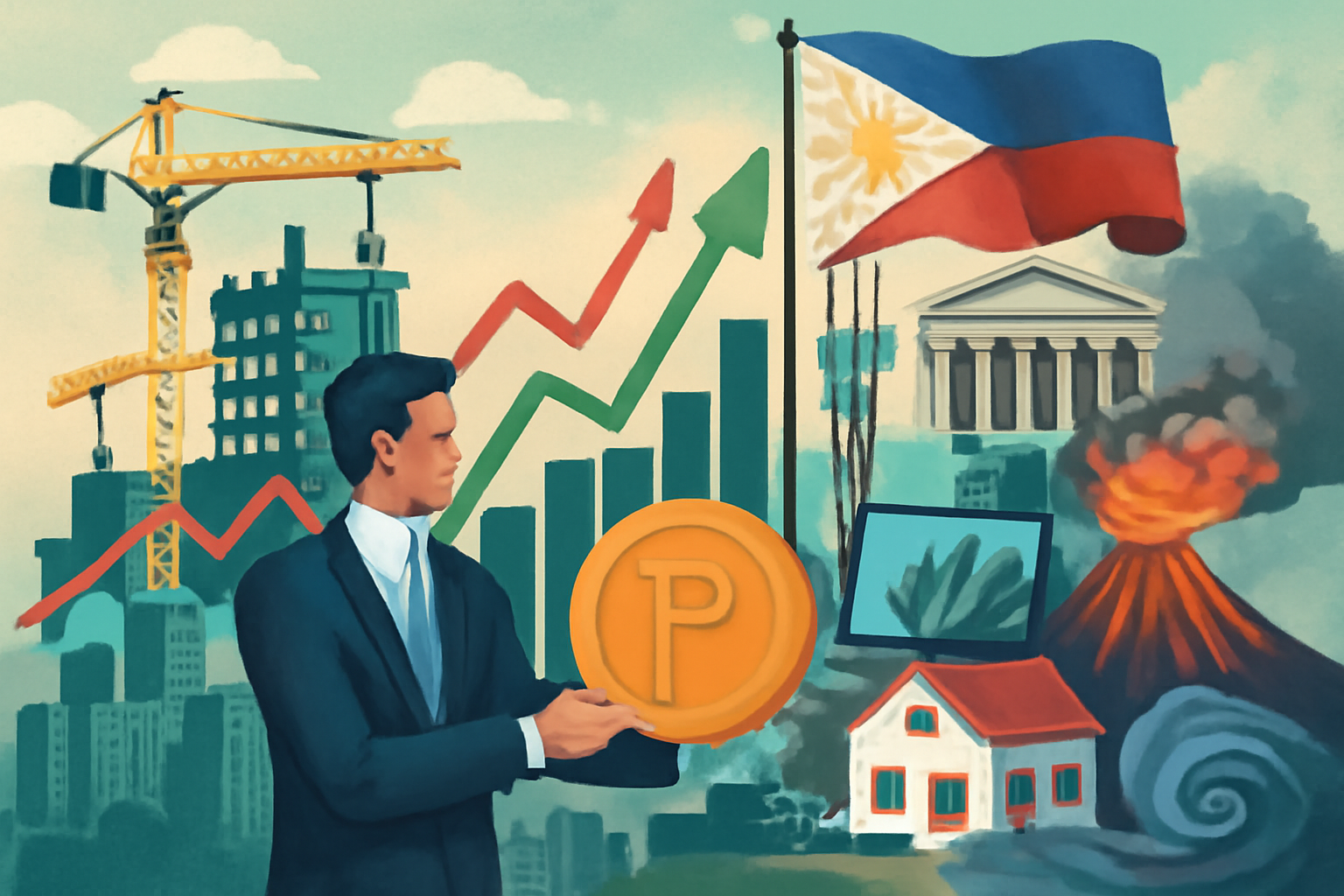
Despite its positive impact, the sector faces structural challenges. These include operational sustainability, credit risk management, and ensuring fair lending practices. External factors such as natural disasters and economic instability also affect repayment capacity among borrowers.
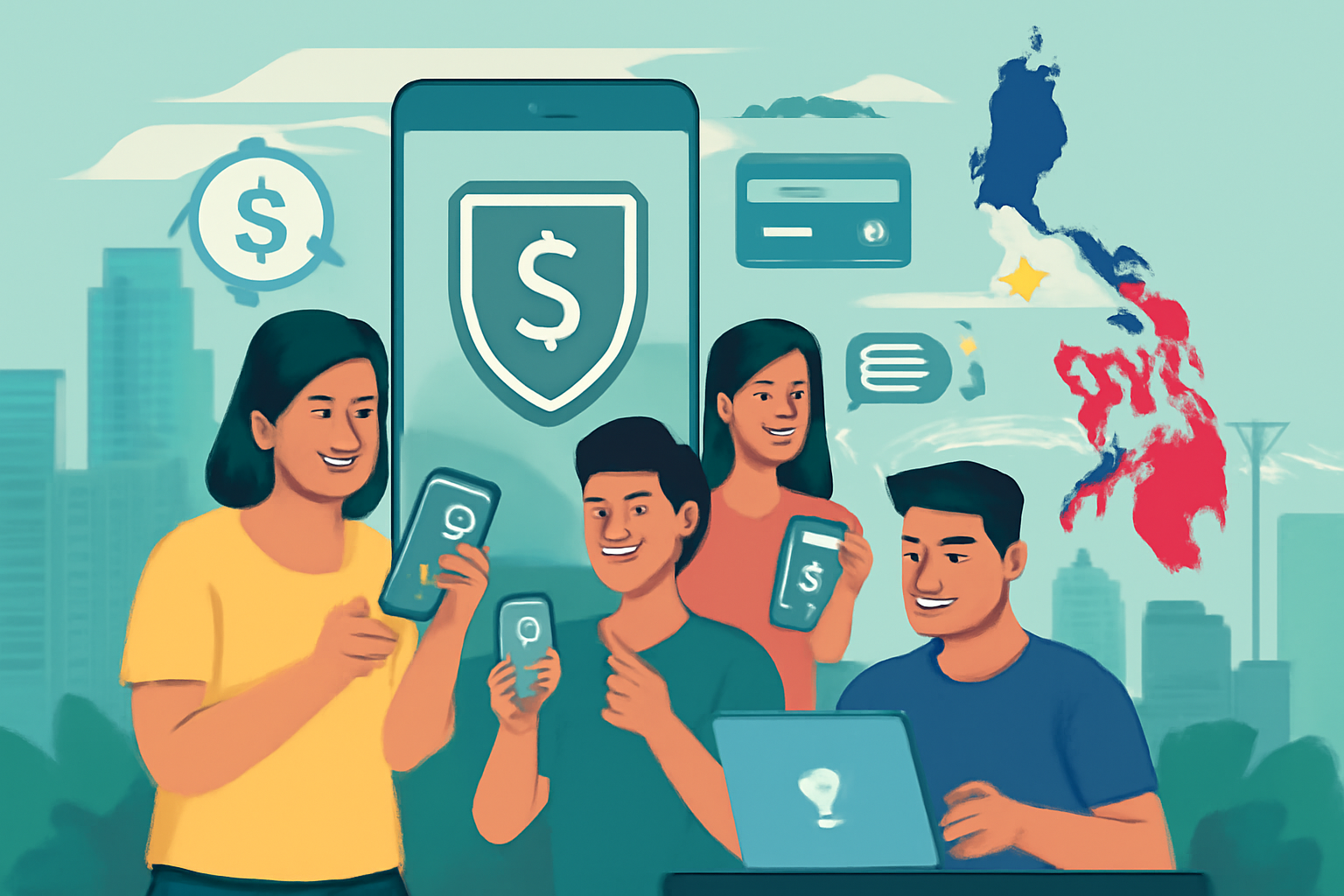
Innovations such as fintech integration, mobile banking, and data-driven credit scoring are helping address these issues by improving efficiency and risk assessment.
Overall, microfinance institutions remain a key driver of inclusive economic participation in the Philippines, helping bridge the gap between informal economic activity and formal financial systems.