
The development of financial infrastructure in the Philippines is becoming a strategic priority as the country seeks to strengthen the competitiveness of micro, small, and medium enterprises (MSMEs). Recognizing that small businesses are essential contributors to employment and economic activity, the Philippine government has introduced policies designed to improve access to financial services, promote digital transformation, and create a more inclusive business environment.
For many years, limited access to financing remained one of the biggest challenges for Filipino entrepreneurs. Small businesses, particularly those operating in rural communities, often faced difficulties obtaining loans due to limited collateral, informal business structures, and insufficient financial records.
Through financial inclusion strategies and digital infrastructure development, the government aims to reduce these barriers and ensure that more entrepreneurs can participate in the formal economy.
Financial Inclusion Becomes a National Economic Priority
Financial inclusion has become a central component of the Philippines’ economic development strategy. The government recognizes that economic growth cannot rely only on large corporations; sustainable development requires empowering smaller businesses that operate across communities.
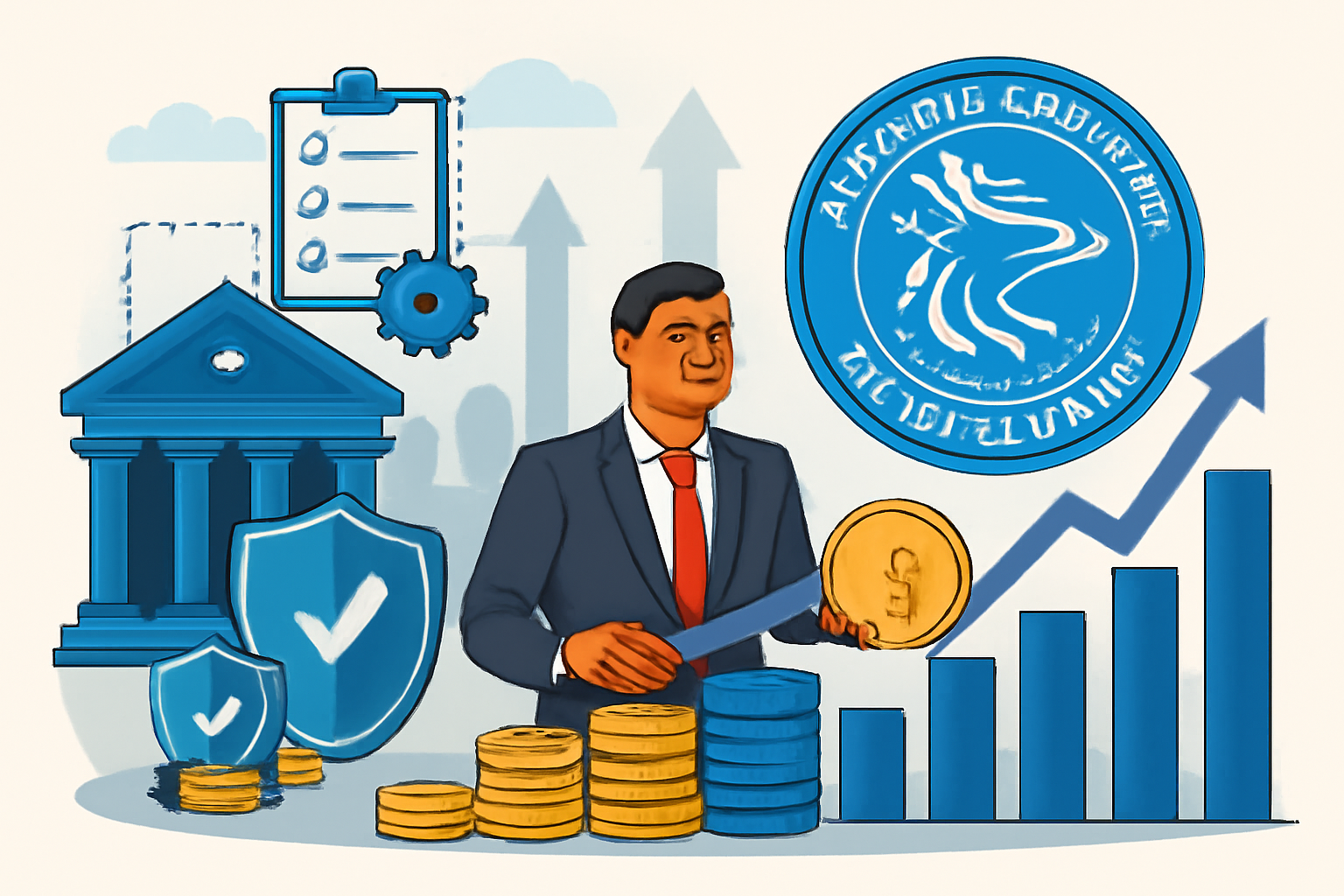
The Bangko Sentral ng Pilipinas (BSP) has been leading financial inclusion efforts through the National Strategy for Financial Inclusion 2022–2028. The strategy focuses on improving access to financial products, strengthening digital infrastructure, enhancing financial literacy, and encouraging innovation within the financial sector.
The official strategy highlights the importance of creating an inclusive financial ecosystem where individuals and businesses can access appropriate financial services regardless of location or economic background.
The complete framework and updates are available through the BSP official resource:
https://www.bsp.gov.ph/Pages/InclusiveFinance/NSFI-2022-2028.aspx
This approach positions financial infrastructure as a foundation for MSME development rather than simply a banking service.
Government Support Accelerates MSME Digitalization
Digital transformation has become a major focus of Philippine MSME development. Government agencies are encouraging small businesses to adopt digital tools that improve efficiency, market access, and financial management.
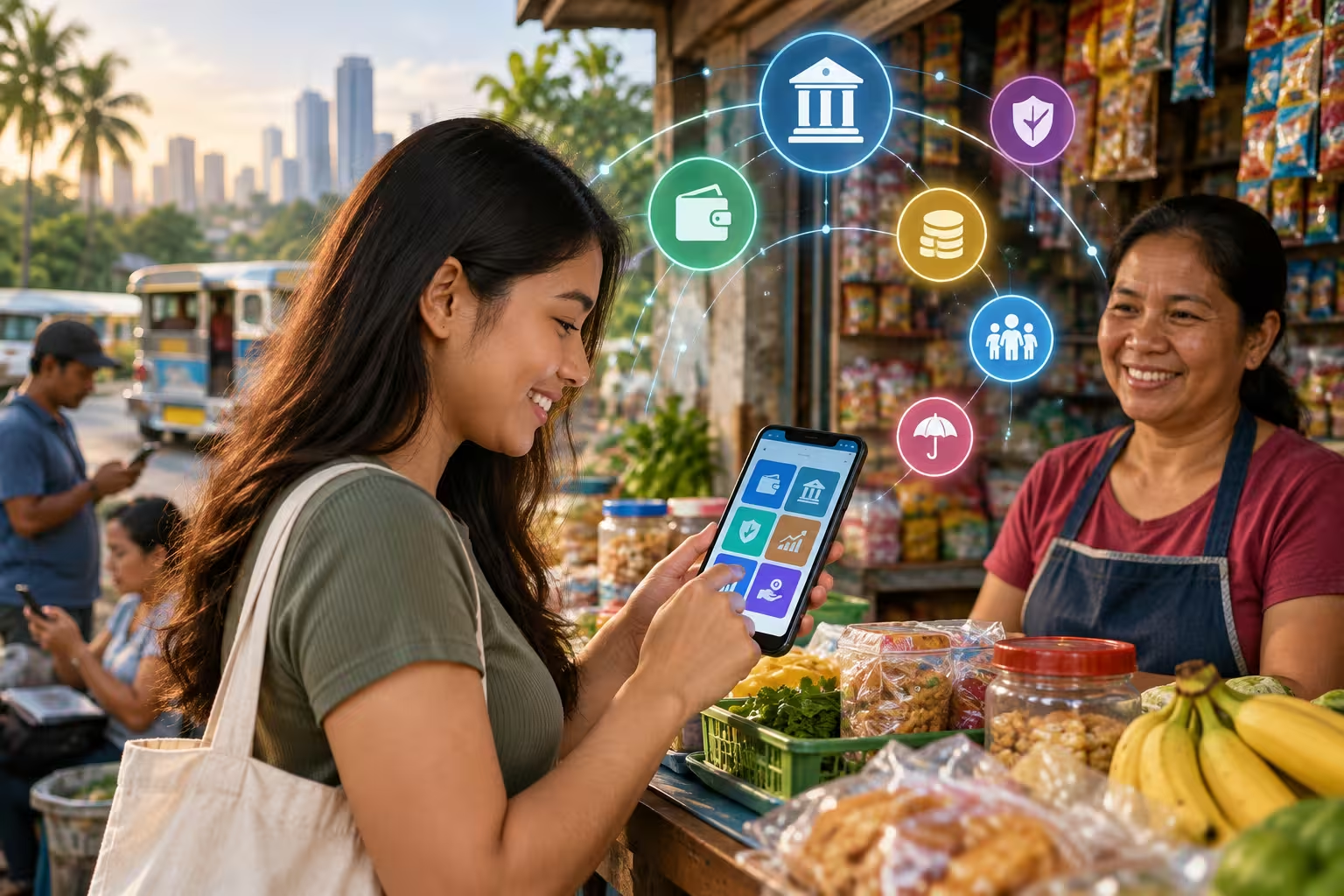
Programs supporting online business registration, digital payments, e-commerce participation, and entrepreneurship training are helping MSMEs transition from traditional operations toward technology-enabled models.
The Department of Trade and Industry (DTI) has been actively promoting MSME digitalization through initiatives that encourage entrepreneurs to use online platforms, digital marketing strategies, and electronic payment solutions.
For example, small food producers, local retailers, and handicraft businesses are increasingly using online marketplaces to reach customers beyond their immediate communities.
This shift allows MSMEs to compete in a wider market while creating stronger digital records that can improve access to future financial services.
Regulatory Innovation Encourages Financial Sector Growth
A strong financial infrastructure requires not only technology but also effective regulation. The Philippine government has introduced policies that encourage innovation while maintaining financial stability.
The BSP’s regulatory framework has supported the growth of digital banks, electronic payment providers, and fintech companies. By allowing new financial players to enter the market, the country has created greater competition and expanded service options for consumers and businesses.
Digital banks, for instance, provide MSMEs with alternatives to traditional banking by offering lower-cost financial products and more convenient digital experiences.
This regulatory environment has encouraged financial institutions to develop solutions specifically designed for underserved entrepreneurs.
Real-World Impact: Supporting Rural and Community-Based Enterprises
The importance of financial infrastructure development is particularly visible among rural MSMEs. Businesses located outside major cities often experience greater challenges accessing financial services due to distance, limited banking facilities, and fewer economic connections.
Government-backed digital initiatives are helping reduce these geographical limitations.
A small farmer cooperative, local tourism operator, or family-owned retailer can now use digital payments, online banking, and government-supported platforms to improve operations and reach new customers.
For example, rural entrepreneurs participating in digital commerce programs can sell products nationwide instead of depending only on local demand.
This transformation strengthens regional economies and reduces economic inequality between urban and rural areas.
Addressing Remaining Challenges in Financial Access
Although significant progress has been achieved, several challenges continue to affect MSME financial inclusion.
Many small business owners still lack sufficient financial knowledge to manage digital financial products effectively. Cybersecurity awareness also remains a concern as more entrepreneurs conduct transactions online.
Additionally, uneven internet connectivity across islands continues to influence the ability of rural MSMEs to fully benefit from digital financial infrastructure.
To address these issues, continued cooperation between government agencies, financial institutions, technology companies, and business communities will be necessary.
The Strategic Future of MSME Development in the Philippines
The expansion of financial infrastructure represents a long-term investment in the future of Philippine entrepreneurship. Government policies supporting digital finance, financial inclusion, and MSME modernization are creating stronger foundations for economic resilience.
As financial systems become more accessible and technology-driven, small businesses will have greater opportunities to secure funding, improve productivity, and participate in larger markets.
The success of Philippine MSMEs will increasingly depend on the connection between entrepreneurial ambition and the availability of modern financial infrastructure. By continuing to strengthen inclusive finance policies, the Philippines is building an ecosystem where more businesses can grow and contribute to national economic progress.